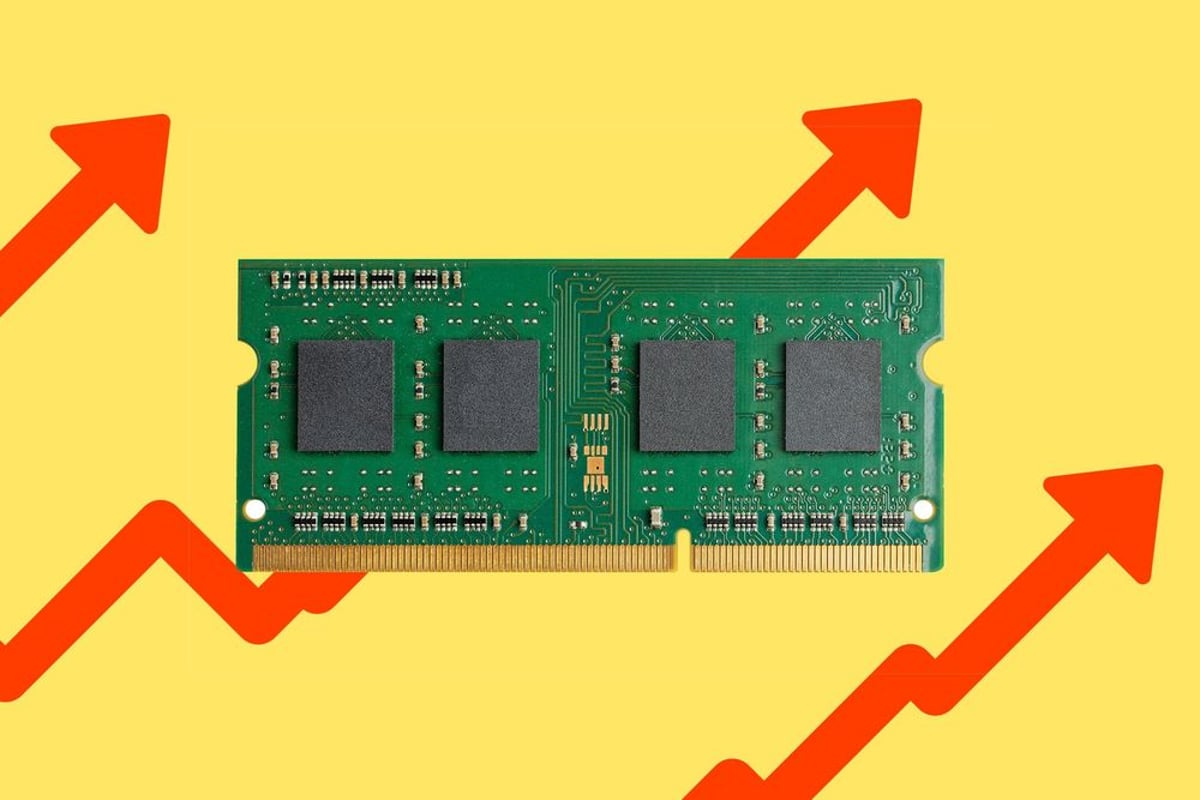
The AI boom just ransacked the global memory supply chain. Memory giants Samsung, Micron, and SK Hynix are dumping consumer products to chase massive AI contracts from OpenAI, Google, and Meta. The result? RAM prices have exploded 500% in some cases, forcing everything from PC builders to Raspberry Pi to raise prices immediately. This isn't just a gaming problem anymore - it's about to hit smartphones, laptops, and every device that needs memory.
The AI gold rush just created a memory famine that's about to make everything more expensive. Samsung, Micron, and SK Hynix - the three companies that control most of the world's memory production - are systematically abandoning consumer markets to feed the voracious appetite of AI data centers. The numbers tell the story: Micron is shutting down its consumer-focused Crucial brand entirely, according to The Verge's reporting, because selling to AI companies is simply too lucrative to pass up. Samsung's memory division now pulls in nearly as much revenue as its mobile business - $18.2 billion last quarter versus $22.8 billion for phones. That's a company realizing where the real money is. The immediate casualty is anyone trying to build a PC. RAM prices have jumped 500% in some configurations, forcing retailers into uncharted territory. San Francisco's Central Computers now sells memory at daily fluctuating 'market prices' - no fixed pricing, just like buying lobster at a fish market. The store's display case reads: 'Costs are fluctuating daily as manufacturers and distributors adjust to limited supply and high demand.' This is unprecedented for computer components. Raspberry Pi became the canary in the coal mine, raising prices $5 to $25 across its product line with immediate effect. CEO Eben Upton called the situation 'painful but ultimately temporary' in a company statement, but that timeline depends entirely on when AI buildout demand stabilizes. Pre-built PC makers aren't waiting around. CyberPowerPC announced pricing adjustments across all systems starting December 7th, citing the 500% RAM spike and 100% SSD price increases. Maingear is following suit. These aren't small players - they're major system integrators feeling the squeeze from component costs. The deeper issue is structural. 'DRAM is embedded in every part of our digital society today,' Jeff Janukowicz, research VP at IDC, told The Verge. That means laptops, smartphones, gaming consoles, smart TVs, cars, and even SSDs all depend on the same memory chips that OpenAI, Google, and Meta are hoarding for their data centers. Memory suppliers are making a calculated bet: AI companies pay higher prices and order in massive quantities with predictable demand. Consumer electronics involve smaller margins, more complexity, and fragmented demand across hundreds of products and manufacturers. From a business perspective, the choice is obvious. The ripple effects are just starting. Gaming has taken the first hit because enthusiasts buy high-performance memory modules that compete directly with data center specifications. But smartphones and laptops use different types of DRAM that share manufacturing capacity with AI chips. As memory fab capacity gets reallocated to AI-specific products, consumer devices will face the same squeeze. What makes this crisis different from previous memory shortages is the demand source. Past spikes came from temporary supply disruptions - natural disasters, factory fires, or sudden demand surges that eventually balanced out. AI demand isn't temporary. OpenAI, Google, Meta, and dozens of other AI companies are in an arms race that requires exponentially more computing power and memory with each model generation. The memory industry is responding by permanently shifting production capacity toward AI-optimized products. This creates a new baseline where consumer electronics compete with AI infrastructure for the same fundamental resource. Industry insiders expect the situation to worsen before it improves, with smartphone and laptop price increases likely in 2025 as contracts come up for renewal and manufacturers absorb the higher memory costs.
The AI boom has fundamentally rewritten the economics of memory production, and consumers are paying the price. What started as a PC gaming problem is spreading to every device with a chip inside. Memory makers have found their golden goose in AI data centers, and they're not going back to the lower-margin consumer business anytime soon. This isn't a temporary supply crunch - it's a permanent shift that will make computing more expensive across the board until either AI demand stabilizes or massive new memory production comes online.