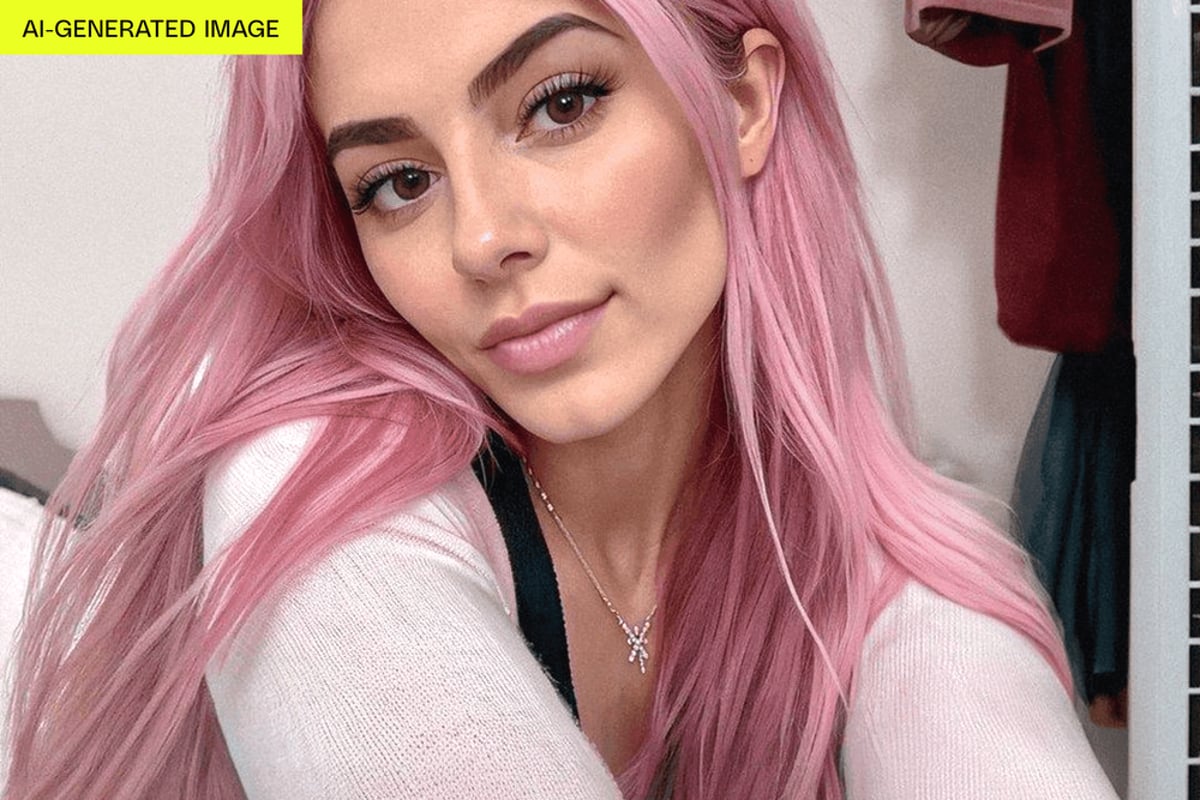
The line between human and AI-generated influencers is vanishing. What started as obviously computer-generated avatars like Lil Miquela has evolved into photorealistic synthetic creators like Aitana Lopez that fool millions of followers. The shift marks a critical moment for social media authenticity, raising questions about disclosure, trust, and whether audiences even care who's real anymore. As AI-generated content floods platforms, the challenge isn't just spotting fakes - it's deciding if that distinction still matters.
The evolution happened faster than anyone expected. Just a few years ago, AI influencers were novelties - digital curiosities with pink hair and perfect skin that brands occasionally used for experimental campaigns. Today, they're becoming indistinguishable from the real thing.
Aitana Lopez represents the new wave. Created by Barcelona-based creative agency The Clueless, she's a far cry from the obviously synthetic avatars that pioneered this space. Where early virtual influencers like Lil Miquela wore their artificiality like a badge - with cartoonish features and an openly fictional backstory - Aitana could pass for any other fashion influencer scrolling through your feed. The freckles look real. The lighting feels natural. The lifestyle seems lived-in.
That's precisely the problem, or the breakthrough, depending on who you ask. The earliest virtual influencers didn't really threaten the influencer economy because they were transparent. Imma with her bubblegum pink bob and Shudu Gram with her flawless complexion were clearly digital productions. When Imma collaborated with IKEA Tokyo back in 2020, the novelty was the point - brands were experimenting with what digital-first marketing could look like.
But the technology moved faster than the guardrails. Generative AI tools have made it exponentially easier and cheaper to create photorealistic human faces, bodies, and entire personas. What once required a team of 3D artists and months of rendering can now be accomplished with the right prompts and a few hours of fine-tuning. The barrier to entry collapsed, and suddenly everyone from marketing agencies to individual creators started spinning up their own AI influencers.
The disclosure problem looms large. While some AI creators maintain transparency about their synthetic nature, others exist in a gray zone where followers might not realize they're engaging with an algorithm. Platform policies haven't caught up - Instagram and TikTok lack consistent requirements for labeling AI-generated personas, leaving it largely to creators' discretion. That inconsistency creates an environment where authenticity becomes negotiable.
The implications stretch beyond social media novelty. When AI influencers can command real sponsorship deals, drive purchasing decisions, and shape trends, they're no longer just creative experiments - they're economic actors. Brands are starting to prefer them in some cases because they're easier to control, never age, never have scandals, and work 24/7 without complaint. One AI model can appear in campaigns across different markets simultaneously, speaking different languages, tailored to regional preferences.
For human creators, this represents an existential shift. If an agency can spin up a dozen photorealistic AI influencers for the cost of hiring one human creator, why wouldn't they? The calculus changes when synthetic personalities can deliver comparable engagement rates without the unpredictability of actual people. Some creators are fighting back by emphasizing their authenticity, while others are experimenting with hybrid approaches - using AI tools to enhance their content while maintaining their human identity.
The trust equation gets messier when you consider that audiences might not care as much as industry observers assume. Early data suggests younger demographics are relatively comfortable engaging with AI personas, provided the content resonates. If an AI fashion influencer delivers outfit inspiration that works, does it matter that a human didn't pick those clothes? For some followers, the parasocial relationship remains intact regardless of what's generating the content.
But that acceptance isn't universal, and the backlash potential is real. When creators get exposed for using undisclosed AI assistance or when AI personas are revealed to have been posing as human, the response tends to be swift and negative. The social media ecosystem runs on perceived authenticity, even if that authenticity has always been carefully curated and staged. AI influencers push that contradiction to its breaking point.
The regulatory landscape remains murky. While some jurisdictions are exploring requirements for AI content labeling, enforcement mechanisms don't exist yet. The European Union's AI Act includes provisions around synthetic media, but how those translate to influencer content remains unclear. In the US, the Federal Trade Commission has guidelines around influencer disclosure but hasn't specifically addressed AI-generated personas. That regulatory vacuum creates space for experimentation, but also potential consumer protection issues.
What's emerging is a fractured landscape where different platforms, agencies, and creators take wildly different approaches to AI influencer deployment and disclosure. Some lean into full transparency, others bury the synthetic nature in fine print, and still others never acknowledge it at all. As the technology continues improving and the visual tells become impossible to spot, that inconsistency will become harder to sustain.
The AI influencer evolution forces a reckoning with what authenticity means in digital spaces. As synthetic creators become visually indistinguishable from humans, the industry faces a choice - embrace transparent disclosure standards that preserve trust, or allow the lines to blur completely until audiences can't tell who's real. The technology has already crossed the uncanny valley. What happens next depends on whether platforms, regulators, and creators decide that distinction still matters. For now, every scroll through your feed might include more AI-generated faces than you realize, and that ambiguity is precisely what makes this moment so unsettling.