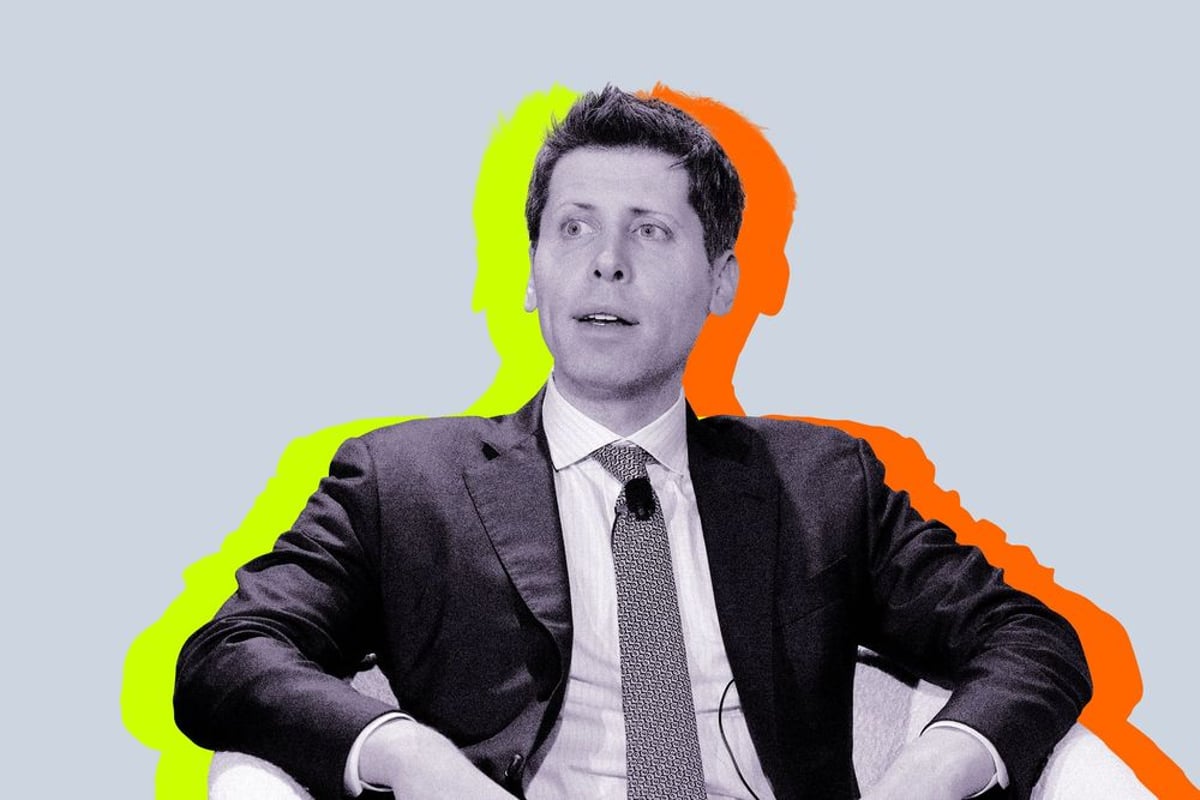
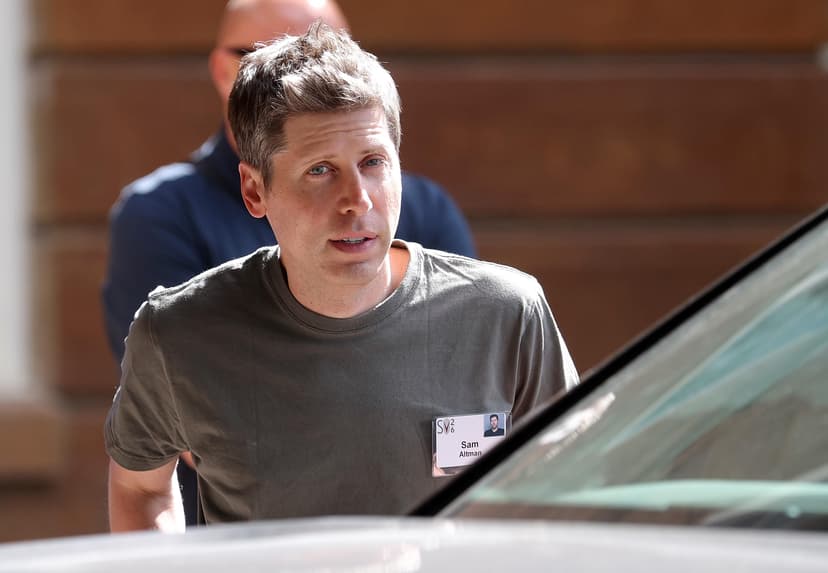
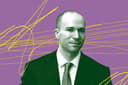
OpenAI CEO Sam Altman found himself in uncharted territory this week when Tucker Carlson directly asked if he ordered the murder of former researcher Suchir Balaji. The conspiracy theory, which has been amplified by Elon Musk and several politicians, centers on Balaji's November 2024 death - ruled suicide by San Francisco police but disputed by his family.
The AI industry's most powerful CEO just had to defend himself against murder accusations on live television. Sam Altman kept his composure as Tucker Carlson pressed him about conspiracy theories surrounding the death of former OpenAI researcher Suchir Balaji, but the exchange revealed how far public distrust of AI companies has spread.
"His mother claims he was murdered on your orders," Carlson said bluntly, half an hour into their conversation. Altman's response - "Do you believe that?" - turned the accusation back on his interviewer, leading to an awkward dance where Carlson insisted he wasn't making accusations while clearly promoting the theory.
The controversy stems from Balaji's death in November 2024, which San Francisco police ruled a suicide after investigation. But Balaji's family has hired experts who dispute the findings, pointing to what they claim are signs of a struggle and the absence of a suicide note. The 26-year-old researcher had just returned from vacation and ordered takeout food - hardly the actions of someone planning to end their life, according to conspiracy theorists.
What makes this theory particularly explosive is Balaji's role as a potential whistleblower. He had publicly accused OpenAI of copyright violations in a New York Times article, claiming through mathematical analysis that "OpenAI's use of copyrighted data violated the law and that technologies like ChatGPT were damaging the internet." He was scheduled to testify in the Times' ongoing lawsuit against OpenAI and Microsoft.
But legal experts have been skeptical of Balaji's claims. Intellectual property lawyers cited in a Fortune report said his arguments appeared to misunderstand copyright law. Unlike other former OpenAI employees who've turned whistleblower, Balaji hadn't released new inside information about the company's practices.
That hasn't stopped the conspiracy theory from gaining momentum. Elon Musk has repeatedly promoted the murder allegations on X, while Balaji's mother appeared on Carlson's show earlier this year in an episode titled "Mother of Likely Murdered OpenAI Whistleblower Reveals All, Calls for Investigation of Sam Altman." Several elected officials have also amplified the claims.
During the interview, Carlson laid out his version of events with the confidence of someone stating established facts. "He was definitely murdered, I think... there were signs of a struggle, of course. The surveillance camera, the wires had been cut," he told Altman. "He had just ordered take-out food, come back from a vacation with his friends on Catalina Island. No indication at all that he was suicidal."
Altman's discomfort was palpable. "I feel strange and sad debating this, and having to defend myself seems totally crazy, and you are a little bit accusing me," he said, even as Carlson insisted he wasn't making direct accusations. When pressed about whether he'd spoken to authorities, Altman confirmed he hadn't been contacted by police.
The exchange highlights how conspiracy theories are reshaping public discourse around AI companies. Even without evidence, the mere suggestion of corporate murder plots gains traction when amplified by influential figures like Musk and media personalities like Carlson. For OpenAI, already facing scrutiny over safety practices and copyright issues, these allegations add another layer of reputational risk.
Altman did reveal that he'd offered to speak with Balaji's mother directly, but she declined. "She didn't want to," he said simply. The family's refusal to engage with OpenAI leadership suggests the gulf between the company and its critics may be unbridgeable.
This bizarre interview moment captures how conspiracy theories are becoming mainstream challenges for tech leaders. Whether or not Altman's measured responses will satisfy skeptics remains unclear, but the fact that he had to address murder accusations at all shows how far public trust in AI companies has eroded. As OpenAI faces ongoing legal battles over copyright and safety concerns, these unfounded murder allegations add yet another front in the company's reputational war.