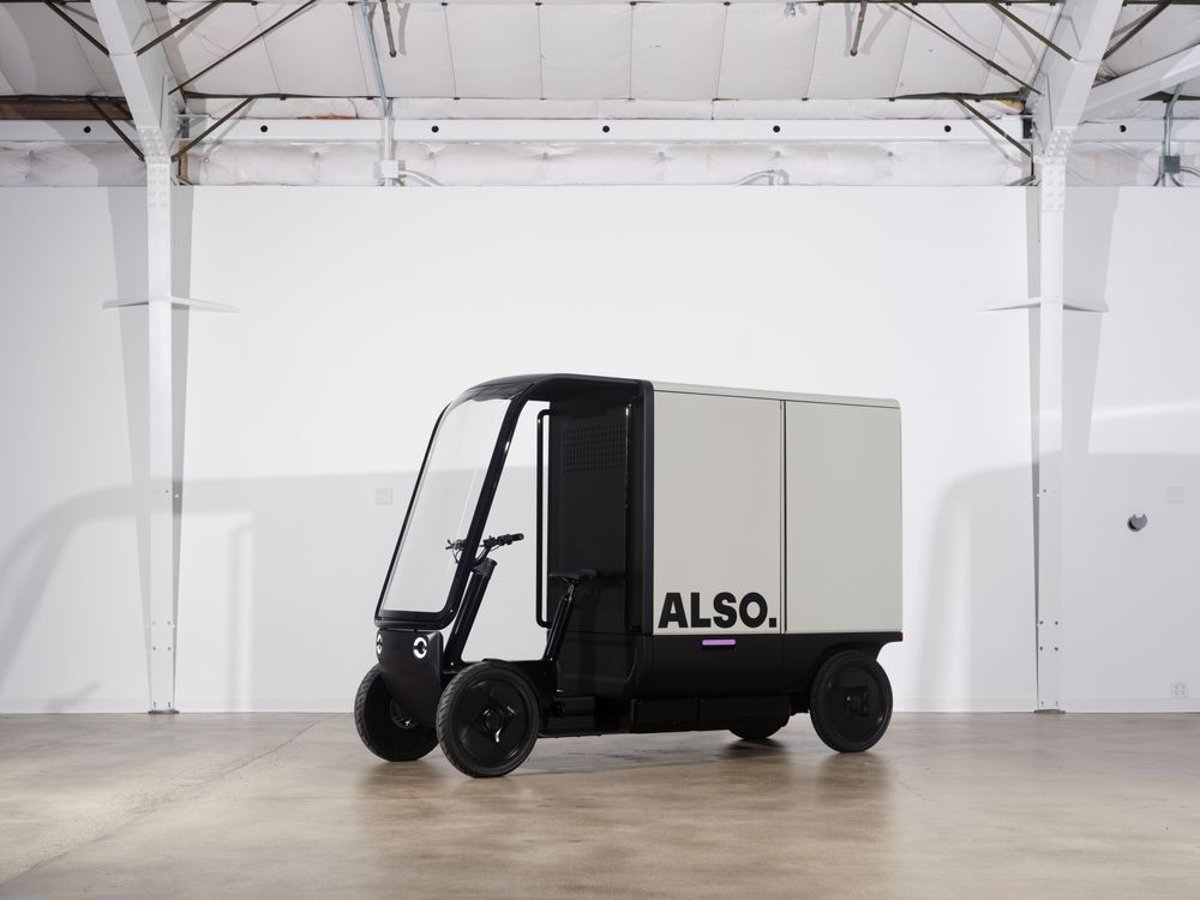
Amazon just doubled down on urban delivery innovation with a massive new order. The e-commerce giant is partnering with Rivian's Also spinoff to deploy "thousands" of pedal-assist cargo bikes across Europe and the US, marking the next chapter in their logistics partnership that previously revolutionized delivery vans.
Amazon just made its biggest bet yet on pedal-powered logistics. The retail giant announced it's working with Rivian's Also spinoff to custom-design thousands of four-wheel cargo bikes that'll soon zip through city streets from London to Los Angeles.
The partnership centers on Also's newly unveiled TM-Q quad vehicle, which Amazon wants to deploy "across Europe and the US" according to The Verge's exclusive reporting. The scale is striking - we're talking thousands of units, not a pilot program.
"Micromobility solutions like pedal-assist e-cargo quads allow us to quickly deliver to customers in dense, urban cities, while helping reduce traffic and noise," Emily Barber, Director of Amazon's Global Fleet, told reporters. The bikes can navigate tight spaces where delivery trucks get stuck in traffic or can't find parking.
This isn't Amazon's first rodeo with cargo bikes. The company's been testing electric cargo bikes in cities across North America for years, but this Rivian partnership represents a massive scaling effort. Where previous tests involved dozens of bikes, Amazon's now talking about fleet-level deployment.
The timing makes sense. Urban delivery costs keep climbing as cities crack down on diesel trucks and parking becomes scarcer. Pedal-assist cargo bikes can carry substantial loads while accessing bike lanes and pedestrian areas traditional vehicles can't reach. For Amazon, that means faster deliveries and lower operating costs in high-density markets.
The TM-Q shares DNA with Also's TM-B two-wheeled e-bike, including pedal-by-wire technology and removable batteries that double as mobile power banks. But the four-wheel design offers more cargo capacity and stability for heavier packages.
This deal also signals the evolution of Amazon's relationship with Rivian. Their original partnership focused on electric delivery vans, with Rivian building custom EDV trucks exclusively for Amazon for several years. But after that exclusivity ended, Rivian opened van sales to other commercial customers.
Now they're collaborating through Also, Rivian's consumer-focused spinoff launched earlier this year. It's a smart pivot - Amazon gets innovative delivery tech while Rivian diversifies beyond the struggling EV truck market that's hammered its stock price.
The competitive implications are huge. UPS and FedEx have their own cargo bike programs, but Amazon's scale advantage could reshape urban logistics. If thousands of Amazon cargo bikes flood city streets, it puts pressure on rivals to match that investment or risk losing market share in lucrative urban markets.
For cities, this could mean cleaner air and less traffic congestion. Cargo bikes produce zero emissions and take up fraction of the road space compared to delivery trucks. Barcelona, Paris, and other European cities have been pushing logistics companies toward sustainable alternatives - Amazon's move gives them a powerful ally.
The deployment timeline wasn't disclosed, but Amazon's track record suggests rapid rollout once testing concludes. The company transformed its delivery network with Rivian vans in just a few years, and cargo bikes require less infrastructure investment than electric truck charging networks.
Amazon's massive cargo bike order represents more than just another delivery experiment - it's a fundamental shift toward sustainable urban logistics. With thousands of pedal-assist quads hitting streets across two continents, Amazon is betting that the future of city delivery looks very different from today's diesel truck-dominated landscape. The move puts competitive pressure on rivals while potentially transforming how packages reach customers in dense urban markets.