Apple is ramping up development on three AI-powered wearables that could reshape how users interact with their iPhones. The company plans to launch smart glasses, an AI pendant, and camera-equipped AirPods by 2027, according to Bloomberg's Mark Gurman. All three devices will pack cameras and connect directly to the iPhone, letting Siri leverage visual context to understand and respond to what users see in real time. With production slated to begin in December, Apple's making its boldest bet yet on AI-powered consumer hardware.
Apple is making a major push into AI-powered wearables with three new devices that could hit the market by 2027. According to Bloomberg's Mark Gurman, the company's accelerating work on smart glasses, an AI pendant, and camera-equipped AirPods - all designed to work seamlessly with the iPhone and supercharge Siri with visual intelligence.
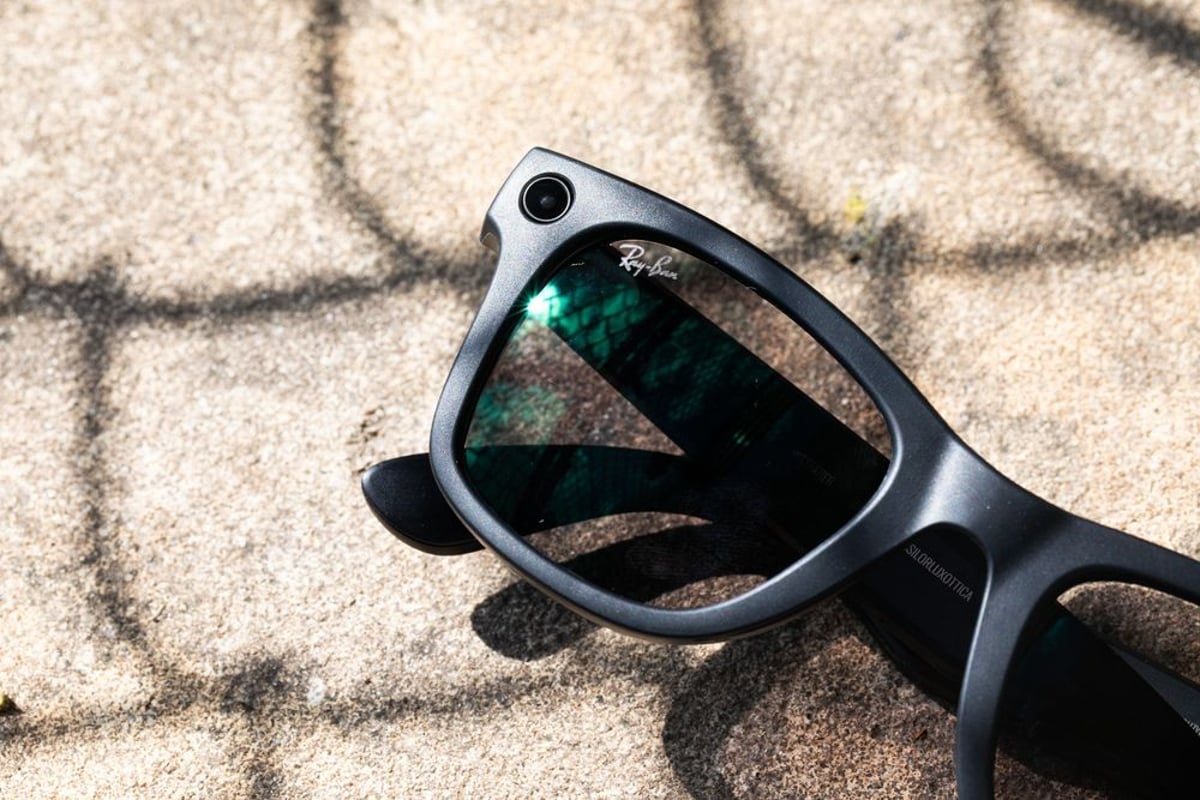
The timing couldn't be more strategic. While Meta has been dominating the smart glasses space with its Ray-Ban partnership, selling millions of units and iterating rapidly, Apple's been noticeably absent from the wearable AI hardware race. That's about to change. The company's reportedly targeting December to start production on its first smart glasses, putting them on track for a 2027 consumer launch.
Apple's smart glasses will pack speakers, microphones, and a high-resolution camera capable of capturing photos and videos, Bloomberg reports. But the real differentiator isn't the hardware specs - it's how these devices will plug into Apple's ecosystem. All three products are designed to connect directly to the iPhone, turning them into visual sensors that feed context to Siri. Imagine asking Siri what you're looking at, and it actually knows because it can see through your glasses or pendant camera.
This visual context capability represents a significant evolution for Siri, which has long lagged behind competitors like Google Assistant and Alexa in contextual awareness. By embedding cameras in wearables that people use throughout the day, Apple's creating persistent visual input streams that could make Siri genuinely useful for real-world tasks - identifying objects, translating text, providing navigation overlays, or helping with accessibility needs.
The AI pendant is perhaps the most intriguing of the three devices. While details remain scarce, the concept echoes the failed Humane AI Pin, which attempted to replace smartphones with a chest-worn AI assistant. Apple's approach appears more pragmatic - the pendant won't try to replace the iPhone but will complement it, serving as another camera-equipped access point for Siri. This could appeal to users who want AI assistance without constantly pulling out their phone or wearing glasses.
Camera-equipped AirPods round out the trio, extending Apple's most successful wearable into visual AI territory. Current AirPods already function as audio interfaces for Siri, but adding cameras would enable entirely new use cases - from hands-free visual assistance during workouts to discrete recording capabilities. The technical challenge of embedding cameras into earbuds without compromising battery life or comfort will be significant, but Apple's shown it can miniaturize complex technology across its product line.
The competitive landscape is heating up fast. Meta shipped its second-generation Ray-Ban smart glasses in 2025 and has been aggressively marketing them as AI-first devices with impressive visual recognition capabilities. The glasses have found product-market fit with consumers who want lightweight tech that doesn't scream "I'm wearing a computer." Meta's also been transparent about its AI development roadmap, positioning smart glasses as a stepping stone to full AR experiences.
Apple's entering this market with its traditional advantages - tight ecosystem integration, premium design sensibility, and a proven ability to make complex technology feel approachable. But the company faces real challenges. Its Vision Pro headset launched to mixed reviews in early 2024, with critics noting its high price point and limited use cases. Smart glasses need to be the opposite - affordable, comfortable for all-day wear, and immediately useful.
The December production timeline suggests Apple's moving quickly but carefully. Starting manufacturing at the end of 2026 gives the company several months to ramp production, work through supply chain issues, and build inventory before a likely spring or fall 2027 launch event. It also means Apple's about two years behind Meta in shipping consumer smart glasses, though the company's historically been comfortable letting competitors pioneer categories before entering with a refined product.
What's particularly notable is Apple's multi-device approach. Rather than betting everything on smart glasses, the company's hedging with three different form factors, each targeting different use cases and user preferences. Some people will never wear glasses. Others won't want a pendant. But camera-equipped AirPods might appeal to the massive existing AirPods user base. This strategy mirrors how Apple launched Apple Watch, iPad, and iPhone as complementary devices rather than replacements for each other.
Apple's simultaneous development of smart glasses, an AI pendant, and camera AirPods signals the company's recognition that AI needs to live beyond the smartphone. By creating multiple entry points for visual AI - each suited to different contexts and user preferences - Apple's building an ecosystem where Siri can finally see the world through users' eyes. The December production start gives Apple about 10 months to get this right before launch, and with Meta already winning consumer mindshare in smart glasses, the pressure's on to deliver devices that feel essential rather than experimental. If Apple can nail the integration and make visual AI genuinely useful in daily life, these three products could represent the company's most significant hardware expansion since Apple Watch. But if they feel like solutions searching for problems, they'll join the long list of wearable tech that never escaped the early adopter crowd.