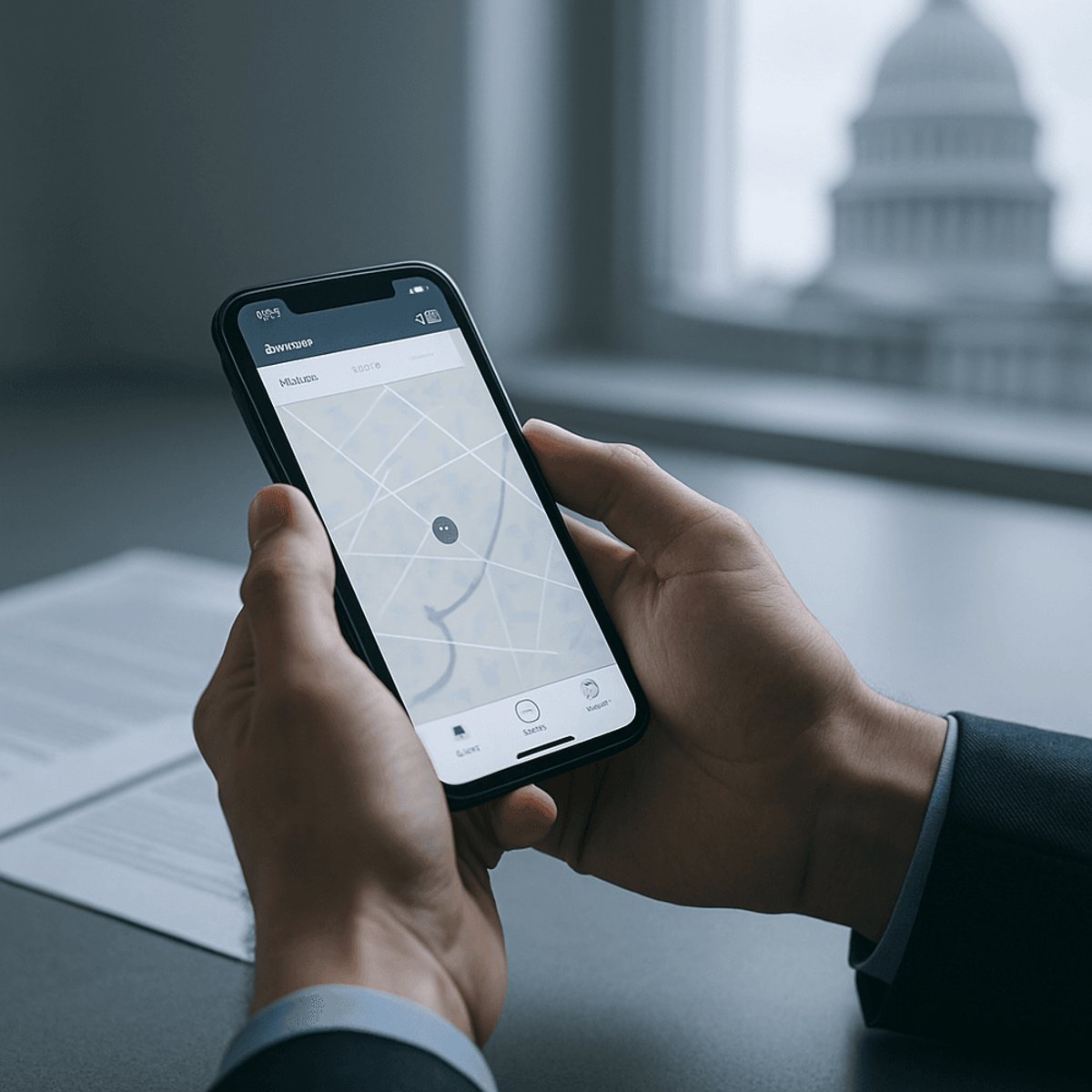
Apple just caved to Trump administration pressure, removing ICEBlock and other apps that let users anonymously report ICE agent sightings from the App Store. The move comes after Attorney General Pam Bondi directed Justice Department officials to contact Apple about "safety risks," marking a significant clash between tech platforms and federal immigration enforcement.
Apple buckled under federal pressure Thursday, yanking ICEBlock and similar apps from its App Store after the Trump administration claimed they posed "safety risks" to immigration enforcement officers. The removal came at the direct instruction of Attorney General Pam Bondi, who told Fox Business that Justice Department officials contacted Apple on her orders.
ICEBlock had gone viral earlier this year as a tool allowing users to lawfully share information about ICE agent sightings within a 5-mile radius of their location, including details about officers' clothing. The app stored no user data, a fact TechCrunch confirmed through network traffic analysis, making it essentially a digital neighborhood watch for immigration enforcement activity.
The government's crackdown intensified after a shooting at a Dallas ICE detention center last week killed two detainees and hospitalized another. CNBC reported that FBI officials claimed the gunman had searched for apps tracking ICE agents, though no direct connection to ICEBlock was established.
This isn't the first time the Trump administration has targeted the app and its supporters. Homeland Security Secretary Kristi Noem threatened in July to prosecute CNN for reporting about ICEBlock, while Bondi publicly warned the app's developer Joshua Aaron that the Justice Department was "looking at him."
The removal highlights the growing tension between Silicon Valley's platform policies and the Trump administration's hardline immigration agenda. Unlike content moderation decisions driven by community standards, this takedown came through direct government pressure citing law enforcement safety concerns. Apple told media outlets it removed the apps after being contacted by "law enforcement" about safety risks, though the company hasn't responded to requests for further comment.
ICEBlock's functionality was remarkably simple - users could report ICE agent locations and descriptions without creating accounts or providing personal information. The app's viral spread earlier this year demonstrated public appetite for tools that help immigrant communities avoid enforcement actions, particularly in areas with large undocumented populations.
The government argues these apps endanger federal workers by revealing their locations and appearances, potentially making them targets for harassment or violence. Officials have repeatedly threatened legal action against ICEBlock users, creating a chilling effect around what developers and civil liberties advocates argue is constitutionally protected speech.
Apple's compliance raises questions about how other tech companies might respond to similar government pressure. The company has historically pushed back against government requests for user data and content removal, famously refusing to unlock encrypted iPhones for the FBI. But immigration enforcement appears to be a different category entirely, with Apple choosing cooperation over confrontation.
The timing coincides with the Trump administration's broader crackdown on immigration-related technology and reporting. Beyond targeting apps like ICEBlock, officials have threatened news organizations and explored prosecuting journalists who cover immigration enforcement activities.
Both Apple and the Justice Department declined to comment on the removal process or whether similar actions against other platforms are planned. ICEBlock's developers also couldn't be reached, though the app's sudden disappearance from the App Store speaks volumes about the administration's reach into Silicon Valley decision-making.
Apple's decision to remove ICEBlock under government pressure marks a significant moment in the ongoing clash between tech platforms and federal immigration policy. While the company cited safety concerns, the move demonstrates how quickly Silicon Valley can bend to federal demands when law enforcement claims are involved. For immigrant communities who relied on these tools for situational awareness, the removal eliminates a digital safety net just as enforcement activity ramps up nationwide. The real test will be whether other platforms follow Apple's lead or push back against similar government pressure campaigns.