OpenAI just made ChatGPT accessible to billions through WhatsApp, but there's a catch - the free ride ends January 15, 2026. The integration lets users chat with the AI bot using a simple phone number (1-800-ChatGPT), bringing advanced AI capabilities directly into the world's most popular messaging platform. This move signals OpenAI's aggressive push to embed its technology everywhere possible before potential policy changes force a retreat.
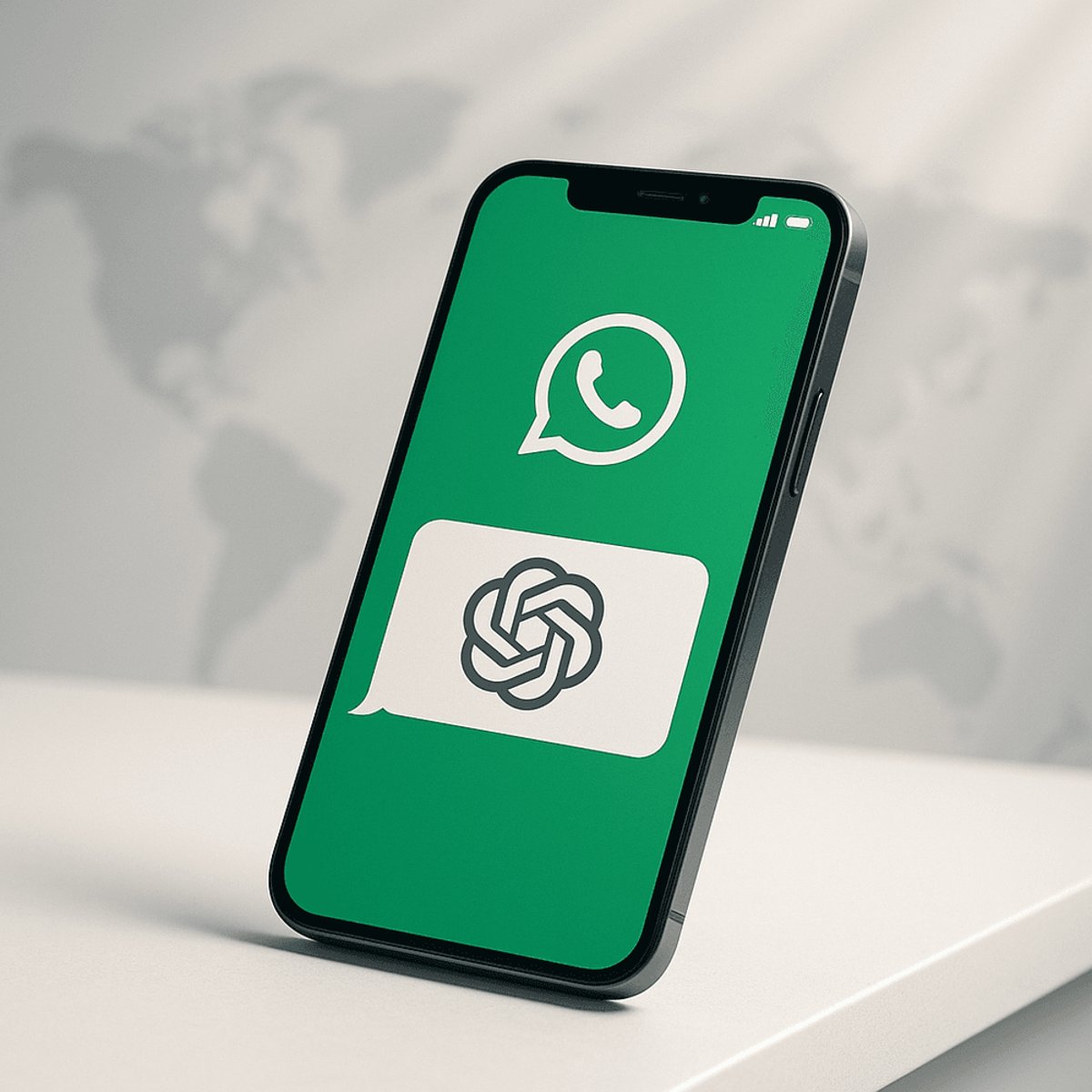
OpenAI quietly dropped one of its biggest accessibility moves yet - you can now chat with ChatGPT directly inside WhatsApp for free. The integration transforms the AI chatbot into just another contact in your messaging app, complete with the same features you'd get from the official ChatGPT apps.
The setup couldn't be simpler. Users add 1-800-242-8478 (1-800-ChatGPT) as a contact and start chatting immediately. No downloads, no signups, no barriers - just instant AI access for WhatsApp's 2+ billion users worldwide. It's the kind of frictionless experience that could fundamentally change how people interact with AI on a daily basis.
But OpenAI's messaging app push comes with an expiration date. According to company statements via Engadget, free ChatGPT access through WhatsApp ends January 15, 2026. The shutdown stems from changes to Meta's "policy and terms" for the messaging platform - though neither company has detailed what exactly changed or why.
The timing feels significant. OpenAI is racing to embed ChatGPT everywhere possible - from Microsoft's Copilot integration to Apple's Siri partnership - before regulatory or platform policy shifts potentially limit future expansions. WhatsApp's global reach makes it perhaps the most valuable integration yet, offering direct access to markets where ChatGPT's web version faces restrictions.
Inside WhatsApp, ChatGPT operates with surprising completeness. Users can generate images with text prompts, analyze photos by snapping and sending them, browse current web information, and handle all the standard AI tasks like translation, coding help, and content creation. The bot even respects WhatsApp's native features - you can mute ChatGPT notifications, change chat wallpapers, or lock conversations for privacy.
For existing ChatGPT subscribers, linking accounts unlocks premium features and higher usage limits within WhatsApp. More importantly, account linking preserves chat history when the free access ends - suggesting OpenAI expects some users to transition to paid subscriptions rather than lose their conversation threads.
The move puts OpenAI in direct competition with Meta's own AI initiatives across its messaging platforms. While Meta pushes its AI assistant across WhatsApp, Instagram, and Facebook, OpenAI is essentially borrowing Meta's infrastructure to reach the same audiences. It's a bold strategy that highlights how platform partnerships remain crucial even as AI companies build their own consumer products.
Competitors are likely scrambling to respond. Google's Gemini and Anthropic's Claude lack similar messaging integrations, potentially ceding mobile AI access to OpenAI during a critical adoption period. The WhatsApp integration could influence how billions of users first experience advanced AI capabilities.
The January cutoff creates artificial urgency that benefits OpenAI in multiple ways. Users get hooked on the convenience, potentially driving subscriptions before access ends. The company also gathers massive usage data from diverse global markets to improve future models. And if the integration proves popular enough, Meta might reconsider its policy changes to keep users engaged.
What happens next depends largely on user adoption rates and Meta's ultimate intentions. If millions start using ChatGPT through WhatsApp daily, the pressure to maintain access could override whatever policy concerns prompted the January deadline. But if this is truly a limited-time experiment, it represents OpenAI's biggest bet yet on converting casual users into paying customers through sheer convenience.
OpenAI's WhatsApp integration represents the next phase of AI democratization - bringing advanced capabilities directly into the apps people already use daily. While the January 2026 cutoff creates uncertainty, the move establishes a template for how AI companies might bypass traditional app stores and reach users through existing platforms. Whether this becomes a sustainable strategy or just a clever customer acquisition play will depend on how users respond and whether platform owners ultimately embrace or resist these AI infiltrations.