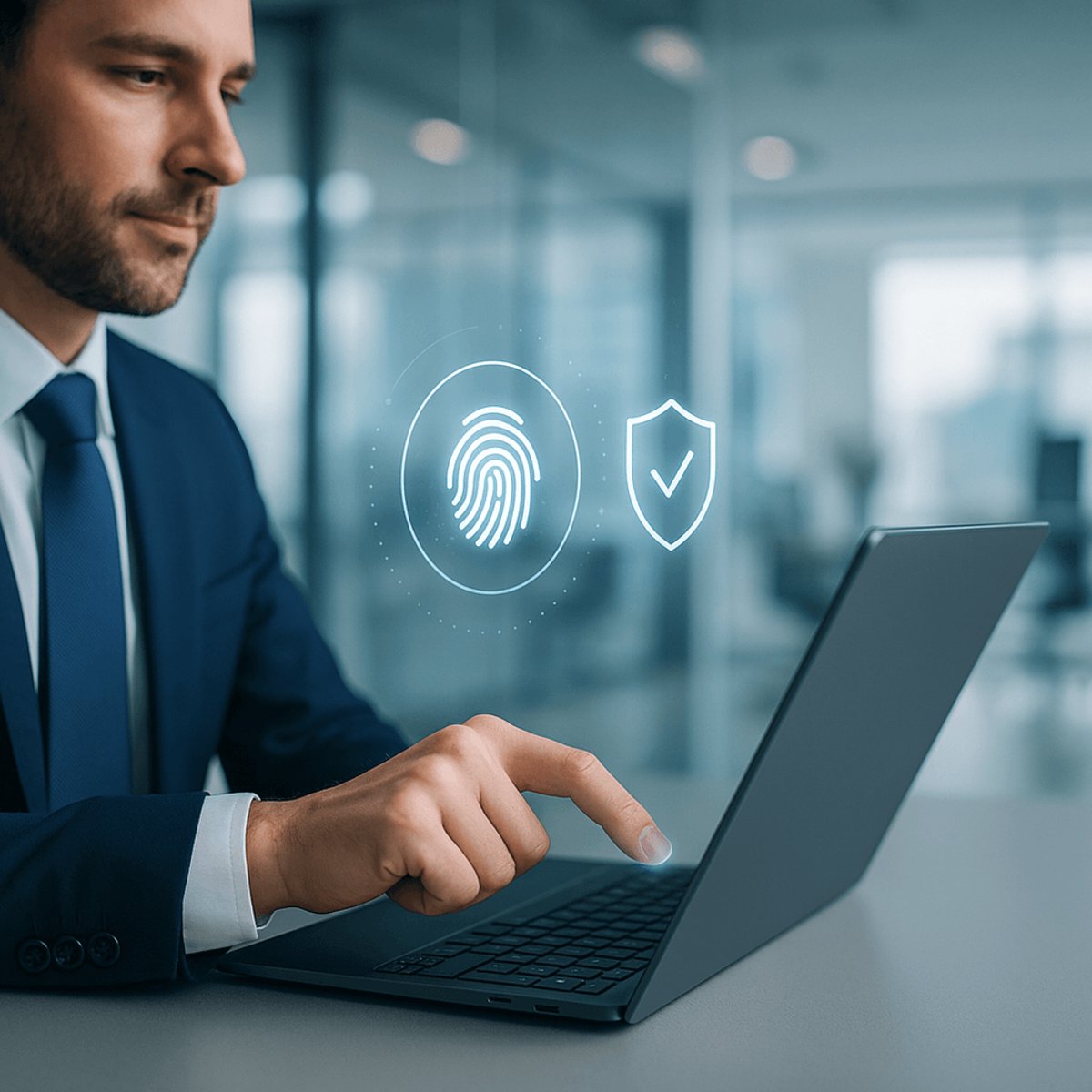
The corporate password is dying a rapid death. A sweeping new survey reveals that 92% of chief information security officers have either implemented or are planning passwordless authentication systems, marking a dramatic surge from just 70% in 2024. The shift represents one of the fastest enterprise security transformations in recent memory, driven by mounting cybersecurity threats and the hidden costs of traditional login systems.
The corporate world is experiencing a security revolution that's happening faster than anyone predicted. What started as a trickle of early adopters has become a flood, with Microsoft-backed passwordless systems now deployed across everything from healthcare providers to technical training institutes.
The numbers tell the story of an industry hitting a breaking point. Portnox's latest survey of 200 CISOs shows passwordless authentication adoption skyrocketing from 70% to 92% in just one year. But this isn't just about following trends - it's about cold, hard economics and the reality that traditional security measures can't keep up.
"Password resets have become quite expensive," Srikara Rao, CTO at R Systems International, told CNBC. The company is deep into a phased migration away from passwords, and the financial case is compelling. Forrester research puts the cost of a single password reset at $70 when you factor in direct labor and lost productivity - a figure that adds up quickly for large enterprises dealing with hundreds of resets monthly.
Universal Technical Institute discovered this firsthand when it deployed Microsoft's passwordless platform. "The benefits show up quickly, with fewer password resets, fewer service desk tickets, and a faster start to the day," said Adrienne DeTray, senior VP and CIO at the training services provider. But the real impact goes deeper than IT metrics.
"The bigger impact is cultural," DeTray explained. "It shows that we're serious about making technology feel lighter and more human again. Over the years, we've added so many systems and logins that the weight of technology has become part of the work."
The shift comes at a critical moment for enterprise security. Traditional multi-factor authentication, once considered the gold standard, is showing its age against sophisticated phishing attacks and credential theft. "The threat landscape has evolved past what traditional MFA can handle," Rao noted, pointing to a significant rise in phishing attempts and several near-miss incidents at his company.
Health-care provider Diversus Health found itself pushed toward passwordless systems by regulatory pressure. After adopting a bring-your-own-device policy, their annual HIPAA compliance audit flagged network access control as a high-risk threat. The company deployed Portnox's certificate-based authentication system, which IT Security Administrator Neil Ford says has effectively blocked unknown devices from accessing internal resources.
The technological foundation supporting this shift has matured rapidly. R Systems built its passwordless strategy on FIDO2 and WebAuthn open standards, giving the company flexibility to deploy different solutions for different risk profiles. Privileged users like administrators and executives get FIDO2 hardware security keys, while the broader workforce relies on device biometrics like Windows Hello and Face ID.
But technology is only half the battle. "Employees are overcoming decades of password muscle memory," Rao explained. R Systems learned early that selling the "why" to employees was crucial, running interactive training sessions to get people comfortable with fingerprint authentication on their phones. "I cannot stress enough the importance of organizations providing user education," he said. "It's a significant difference between a successful deployment and a shelfware investment."
The compliance angle is accelerating adoption across regulated industries. PCI 4.0 requirements mandate that users reauthenticate every time they restart or access systems - something that becomes seamless with passwordless authentication. For healthcare organizations dealing with HIPAA requirements and financial services navigating banking regulations, passwordless systems eliminate compliance friction while strengthening security.
Early results suggest the transition is delivering on its promises. R Systems reports dramatically improved employee experience with faster logins and a significant reduction in password-related help desk tickets. "Most importantly, passwordless authentication has become a cornerstone of our zero-trust architecture," Rao said, "giving us a stronger, high-assurance identity layer that enables secure access regardless of user or device location."
The enterprise passwordless revolution isn't coming - it's here. With 92% of CISOs either implementing or planning these systems, we're witnessing one of the fastest security transformations in corporate history. The convergence of mounting cyber threats, regulatory pressure, and the hidden costs of password management has created a perfect storm driving adoption. For IT leaders still on the fence, the question isn't whether to go passwordless, but how quickly they can make the transition without being left behind.