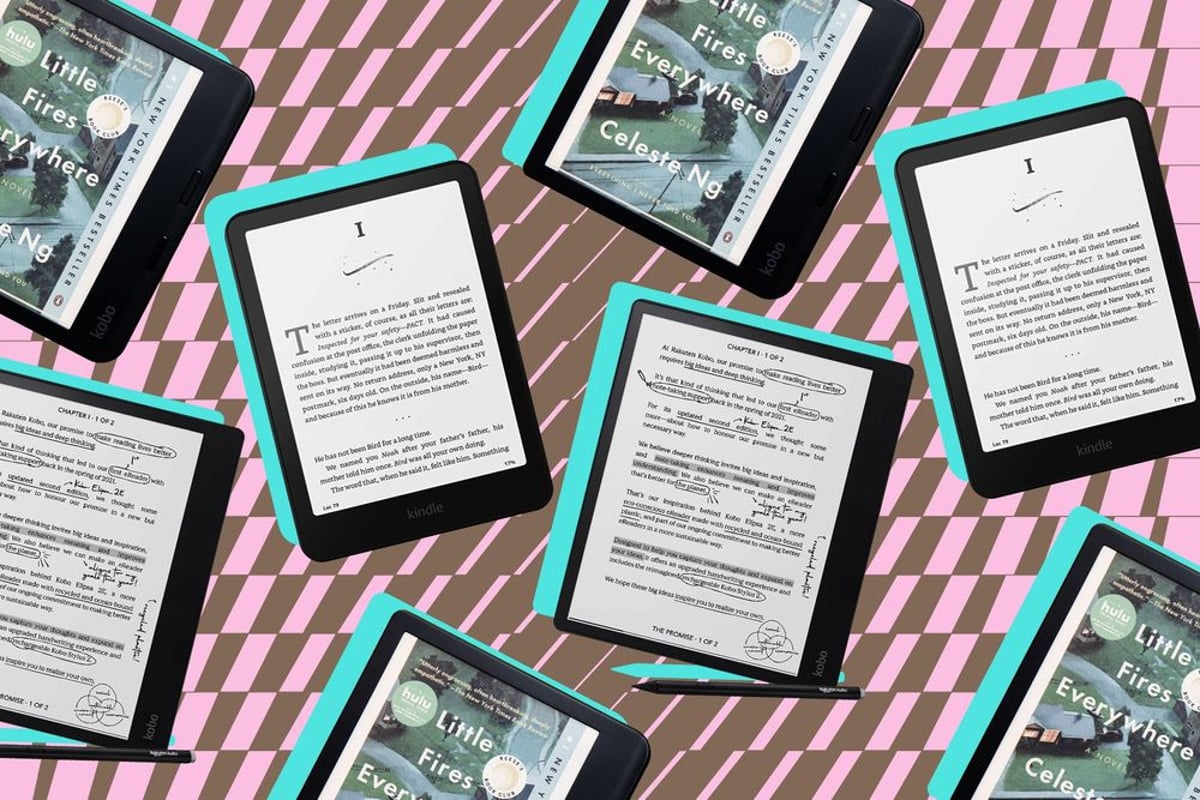
Amazon continues to dominate the e-reader market despite growing competition from Kobo and other manufacturers offering superior features. With Black Friday sales starting early, consumers now have more compelling alternatives to Kindle's ecosystem, especially as color e-ink technology matures and note-taking capabilities become standard across premium devices.
The e-reader landscape is shifting as Amazon fights to maintain its grip on digital reading. While the company's 12th-generation Kindle Paperwhite remains the go-to choice for most readers at $159.99, competitors are pushing boundaries with features Amazon has been slow to adopt.
Kobo is leading the charge with its Libra Colour, delivering what many consider the best digital reading experience available. The $229.99 device combines E Ink's latest Kaledio color screen technology with physical page-turning buttons and built-in stylus support – features conspicuously absent from Amazon's mainstream lineup.
"The Libra Colour doesn't have the lockscreen ads on the base Paperwhite and packs physical page-turning buttons, which feel more intuitive to use than tapping either side of the display," according to testing by The Verge. The device also supports EPUB files natively, something Amazon continues to resist in favor of its proprietary formats.
But Amazon isn't standing still. The company recently announced three new versions of its Kindle Scribe, including a $629.99 color model that features an 11-inch display and AI-powered search capabilities. The move signals Amazon's commitment to the premium note-taking segment, where it faces increasing pressure from devices like the Kobo Elipsa 2E.
The budget segment tells a different story entirely. Amazon's base Kindle at $109.99 remains unbeatable for basic reading needs, offering a 300ppi display that outperforms most competitors in its price range. The device's compact 6-inch form factor makes it the most pocketable option available, though users sacrifice waterproofing and adjustable color temperature.
Color e-ink technology is becoming the new battleground. While Amazon's Kindle Colorsoft Signature Edition commands $279.99, it lacks the versatility of competing devices. Kobo's color offerings integrate seamlessly with library systems through Overdrive support and recently replaced Pocket integration with Instapaper for offline article reading.
The note-taking category presents the starkest contrast between philosophies. Amazon's Kindle Scribe uses resizable text boxes that can disrupt page formatting, making basic annotations like circling words unnecessarily complex. Kobo's Elipsa 2E takes the opposite approach, allowing users to write directly on pages with natural handwriting recognition and Dropbox sync capabilities.
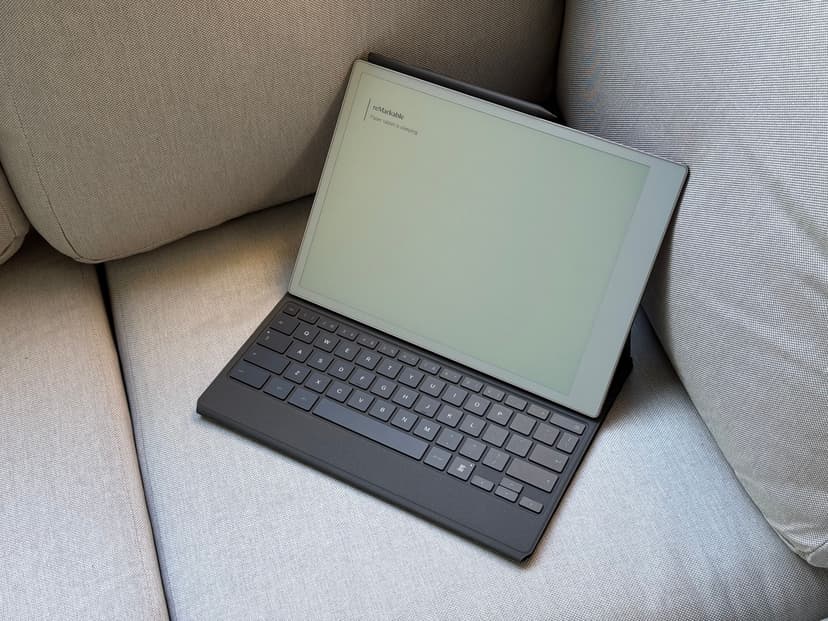
Chinese manufacturer Onyx Boox is carving out its own niche with Android-powered devices that support both Kindle and Kobo apps simultaneously. The $409.99 Boox Go 10.3 offers impressive writing tools and notebook templates, though its Google Play Store access can be a double-edged sword for distraction-prone readers.
Market dynamics favor Amazon's ecosystem approach. Prime members benefit from frequent ebook sales and access to Prime Reading's free content library, advantages that competitors struggle to match despite offering superior hardware. However, international users and those with existing non-Amazon libraries find Kobo's open approach increasingly attractive.
The upcoming Black Friday sales period could accelerate these trends. Early deals show Amazon offering modest discounts on newer models while maintaining aggressive pricing on older inventory. Kobo typically follows with competitive pricing, though their devices go on sale less frequently than Amazon's lineup.
Innovation continues pushing the category forward. The upcoming Boox Palma 2 Pro introduces cellular connectivity to smartphone-sized e-readers, while Amazon's AI integration promises enhanced document summarization capabilities. These developments suggest the e-reader wars are far from over.
For consumers, the choice increasingly depends on ecosystem preferences rather than hardware limitations. Amazon's dominance in content distribution remains its strongest moat, but competitors are proving that superior reading experiences can overcome platform lock-in for many users.
The e-reader market is entering a new phase where hardware excellence challenges ecosystem dominance. While Amazon maintains its lead through content integration and competitive pricing, companies like Kobo are proving that superior user experiences can attract switchers. As Black Friday approaches and color e-ink technology matures, readers have more compelling choices than ever – marking a significant shift in a market Amazon has dominated for over a decade.