ESPN just revolutionized sports streaming with its $29.99-per-month service launching August 21st, featuring AI-generated SportsCenter anchors and TikTok-style vertical feeds. The move signals traditional sports media's aggressive pivot to capture Gen Z viewers while directly challenging streaming giants in the live sports arena.
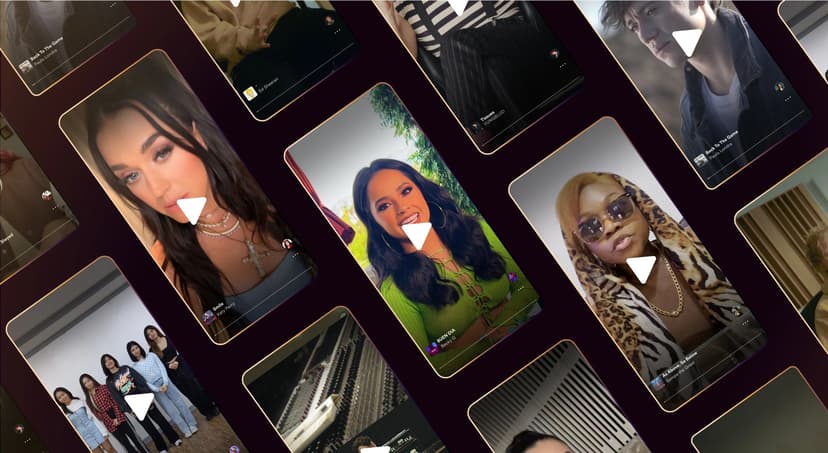
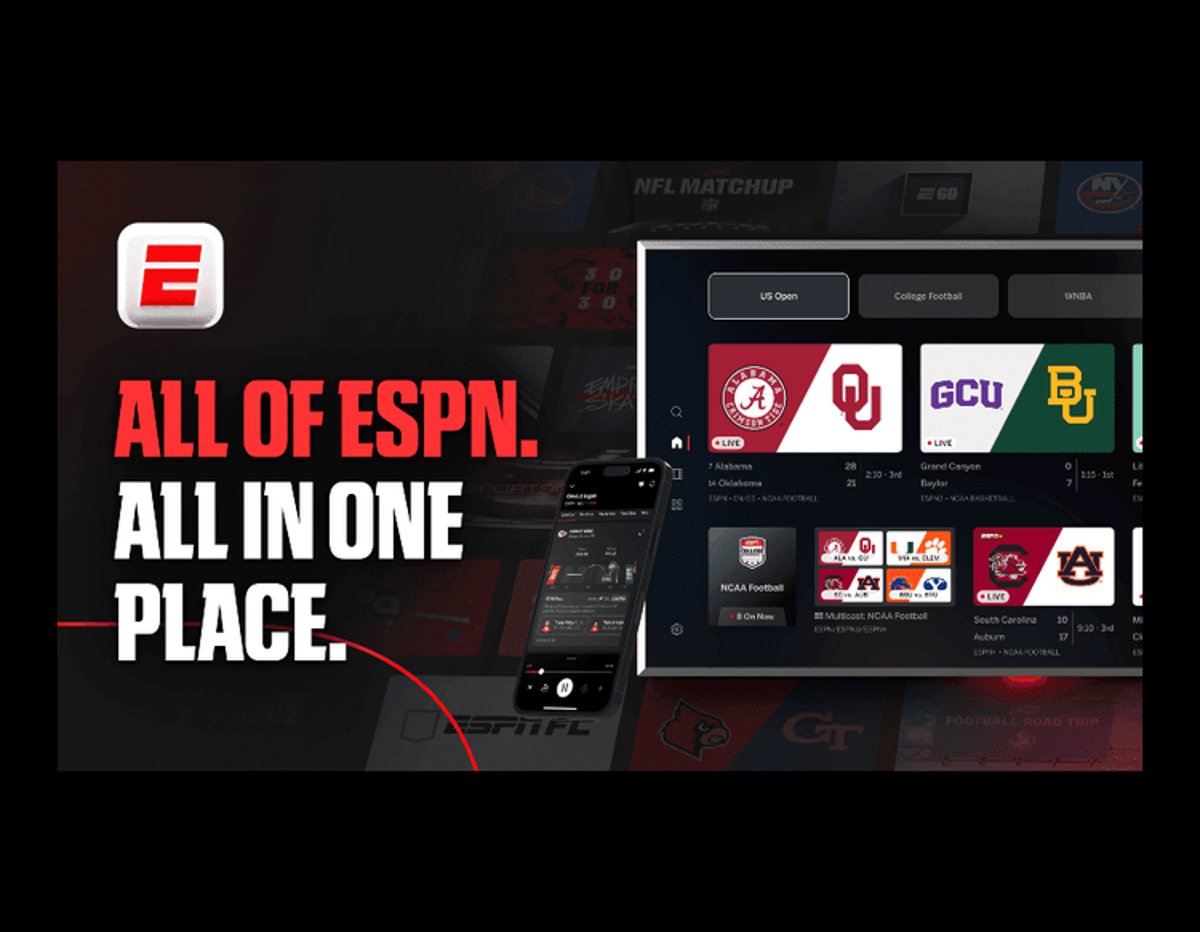
ESPN is making its biggest streaming bet yet, and artificial intelligence is leading the charge. The sports giant's long-awaited standalone streaming service officially launches August 21st at $29.99 per month, but the real story isn't the price point—it's how ESPN is using AI to reimagine sports consumption for a generation raised on TikTok and personalized feeds. The centerpiece feature, "SC For You," leverages AI-generated voices of actual SportsCenter anchors to deliver personalized daily shows tailored to users' favorite teams and leagues. According to ESPN's announcement via The Verge, this represents the first major deployment of synthetic voice technology by a traditional sports broadcaster. The timing couldn't be more strategic. While Netflix and Amazon Prime pour billions into live sports rights, ESPN is betting that personalization and AI-driven curation will differentiate its offering. The service bundles all 12 of ESPN's linear channels—including ESPN, ESPN2, ESPNU, and SECN—into a single app that feels more like a social media platform than traditional television. The "verts" tab mirrors TikTok's vertical video format, serving bite-sized sports content in an endless scroll. This isn't just feature parity—it's ESPN acknowledging that younger audiences consume sports highlights the same way they consume everything else. "The app will evolve with regular enhancements over time," ESPN head Jimmy Pitaro told The Verge, signaling this is just the beginning of ESPN's AI experiment. The technical integration runs deeper than surface-level features. ESPN's mobile-TV sync capability turns smartphones into command centers during live games, delivering real-time stats, automated alerts, and betting information—a direct response to how younger viewers multitask while watching sports. The multiview functionality, rolling out across "all major" smart TV platforms, allows simultaneous viewing of up to four games, addressing cord-cutters who want cable-like channel surfing without the cable bill. Perhaps most significantly, ESPN is folding its streaming service into Disney Plus bundles, creating a unified entertainment ecosystem. Disney Plus is launching a dedicated "Live" hub for sports, news, and live content, positioning the Disney streaming portfolio as a comprehensive cable replacement. The bundle pricing—$29.99 for the first year before jumping to $35.99—undercuts most cable packages while delivering premium content across multiple verticals. This move puts immediate pressure on competitors like Peacock, which charges $7.99 monthly for limited sports content, and Paramount Plus, whose sports offerings pale in comparison. YouTube TV, currently the leading live TV streaming service at $82.99 monthly, suddenly looks expensive for sports-focused viewers who don't need dozens of cable channels. The AI commentary feature represents a broader industry trend toward synthetic media in sports broadcasting. While ESPN isn't the first to experiment with AI voices—Spotify has been testing AI-generated podcast content—deploying synthetic versions of recognizable anchors like Scott Van Pelt raises questions about the future of sports journalism and broadcaster employment.
ESPN's streaming launch represents more than another cord-cutting option—it's a fundamental reimagining of sports media for the AI age. By combining personalized AI commentary with social media-style feeds and aggressive bundle pricing, ESPN is positioning itself as the definitive sports streaming destination. The success of features like AI-generated SportsCenter and TikTok-style feeds will likely determine whether traditional broadcasters can compete with tech giants for the next generation of sports fans. With major competitors scrambling to respond, ESPN's bet on AI-powered personalization could reshape how we consume sports content entirely.