Europe's groundbreaking transparency law is hitting a wall. Despite the Digital Services Act granting researchers unprecedented rights to scrutinize social media platforms, Meta, TikTok, and X are blocking access to critical data needed to study algorithmic harms. The standoff reveals how Big Tech companies are quietly undermining regulatory efforts designed to expose how their platforms affect mental health, radicalization, and democratic discourse.
The promise of Europe's Digital Services Act was simple: give independent researchers the tools to finally understand what's happening inside social media's black boxes. But months after the landmark regulation took effect, academic teams across the EU are still waiting for data that Meta, TikTok, and X are legally required to provide.
The standoff isn't just bureaucratic foot-dragging. It's a calculated test of regulatory power that could determine whether Europe's ambitious tech oversight framework has any real teeth. At stake is researchers' ability to study everything from teen mental health impacts to how algorithms amplify extremist content during election cycles.
Under the DSA's Article 40, designated researchers gained the right to request platform data for studies examining systemic risks. The law specifically targets very large online platforms, those with over 45 million EU users, forcing them to open their data vaults to qualified academic scrutiny. It was supposed to be a game-changer for understanding algorithmic decision-making.
But researchers say the platforms have turned the approval process into a gatekeeping operation. Meta and X are demanding extensive justifications for data requests, then rejecting them on vague grounds about user privacy or research methodology. TikTok has been even more restrictive, with multiple research teams reporting zero response to formal data requests submitted through official channels.
The irony isn't lost on digital rights advocates. The same companies that harvest unprecedented amounts of user data are now citing privacy concerns to block researchers who've cleared strict ethical review boards. "They're essentially deciding who gets to study them," one researcher told Wired, speaking on condition of anonymity due to ongoing data negotiations.
The data drought is already impacting critical research. Teams studying social media's effects on adolescent mental health can't access the engagement metrics and content exposure data needed to establish causal links. Disinformation researchers lack the network propagation data that would reveal how false narratives spread across platforms. Content moderation scholars can't examine the actual enforcement patterns behind platforms' public transparency reports.
Meta has publicly committed to DSA compliance, pointing to its Content Library and API for researchers. But academics say the available data is heavily sanitized, lacking the granular algorithmic and behavioral information the DSA was meant to unlock. The company's researcher access portal has approved only a fraction of submitted requests, with many rejections offering little substantive explanation.
X, formerly Twitter, slashed its API access shortly after Elon Musk's takeover, effectively shutting down years of established research partnerships. While the company claims its new researcher access program meets DSA requirements, the pricing structure and data limitations have made most academic studies financially unfeasible. Several European research institutions have abandoned X-focused projects entirely.
TikTok faces additional scrutiny given ongoing concerns about its Chinese ownership and potential national security implications. The platform has been slower than competitors to establish any researcher access framework, despite being designated as a very large online platform under the DSA. Its European research API remains in a limited beta phase with no clear timeline for broader availability.
The European Commission, which oversees DSA enforcement, has the power to fine non-compliant platforms up to 6% of global annual revenue. But regulators have yet to take formal action on researcher access violations, instead pursuing dialog with platforms about implementation challenges. That cautious approach is frustrating academics who've been waiting months for data they were promised by law.
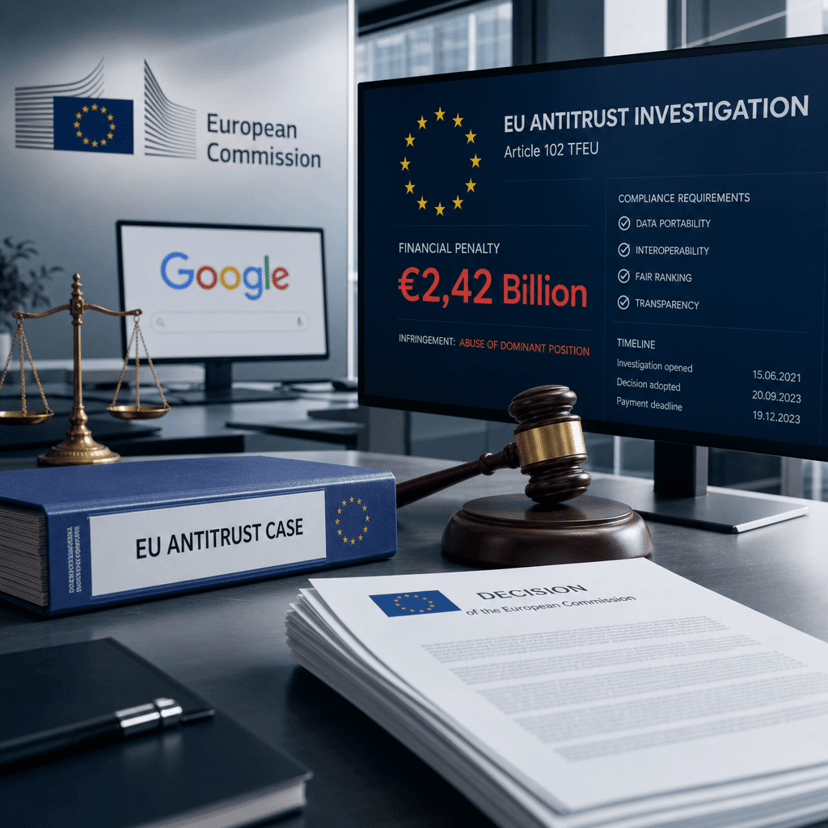
The researcher access bottleneck comes as the EU simultaneously pursues antitrust cases and content moderation investigations against these same platforms. Some legal experts see the data stonewalling as part of a broader Big Tech strategy to slow-roll compliance while testing the limits of European enforcement appetite.
What makes this particularly consequential is timing. With EU parliamentary elections approaching and AI-generated content proliferating, researchers need current data to understand evolving platform dynamics. Studying last year's algorithms won't reveal how recommendation systems are shaping political discourse right now or how generative AI is being weaponized for coordinated disinformation campaigns.
The platforms' resistance also undermines the DSA's broader regulatory model, which relies on independent research to identify systemic risks that companies must then mitigate. Without researcher access, that entire accountability loop breaks down. Platforms can continue self-reporting their risk assessments without independent verification or challenge.
Several research groups are now exploring legal action to compel data access, though the procedural pathways remain unclear. The DSA includes provisions for researchers to appeal denials, but those mechanisms are untested. Early test cases could establish crucial precedents about what constitutes legitimate data requests and acceptable platform justifications for refusal.
The researcher data standoff represents the first major stress test of Europe's ambitious plan to regulate Big Tech through transparency. If Meta, TikTok, and X can successfully delay or dilute access requirements without meaningful consequences, the DSA's accountability framework collapses before it really begins. European regulators face a defining choice: enforce the law's research provisions aggressively or watch platforms hollow out transparency requirements through procedural obstruction. For researchers trying to understand social media's societal impacts, the wait continues while the algorithms keep running.