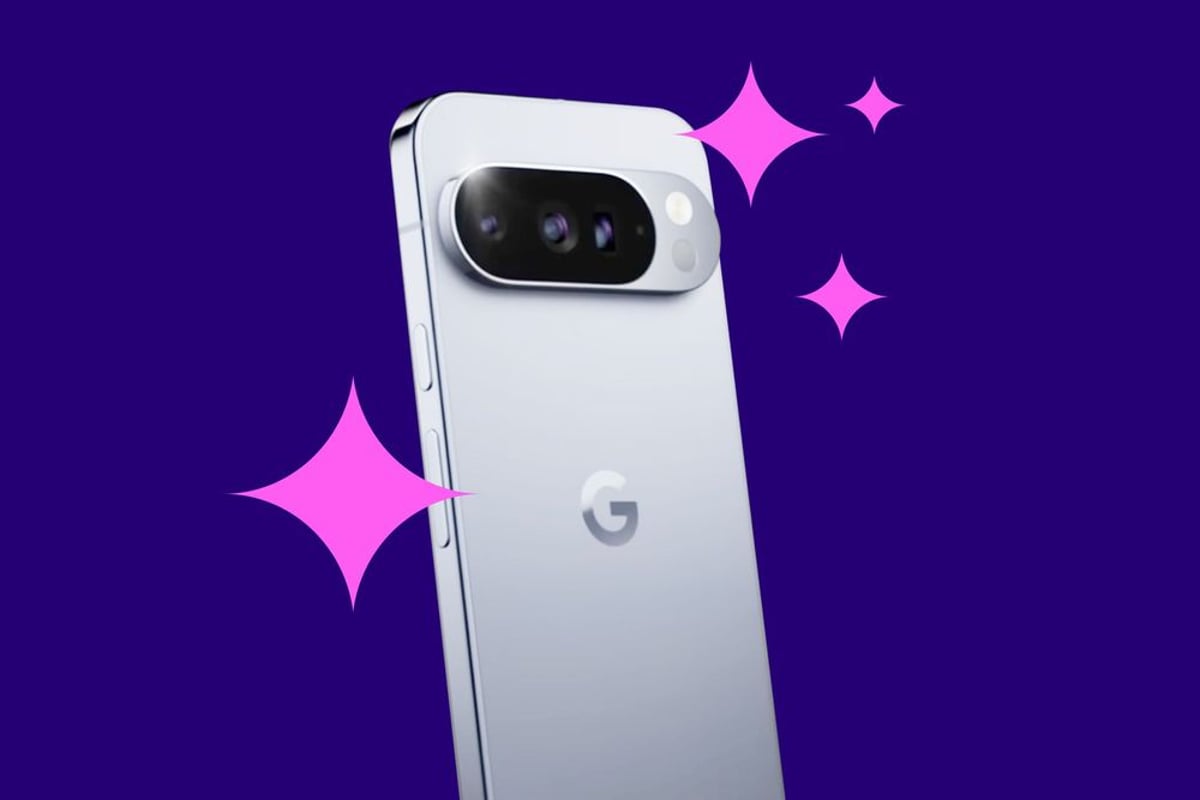
Google is preparing to showcase its AI smartphone dominance at Wednesday's Pixel 10 launch event, betting that practical AI features can finally make consumers care about phone-based artificial intelligence. While Apple continues to struggle with delayed AI promises, Google's Android ecosystem already delivers useful AI tools that handle tasks like calendar scheduling and email search—but the question remains whether mainstream users will embrace the technology.
Google is about to make its biggest bet yet on AI-powered smartphones. At Wednesday's Made by Google event, the tech giant will unveil its Pixel 10 series in what amounts to a direct challenge to Apple's delayed AI rollout—and a test of whether consumers actually want artificial intelligence baked into their phones. The stakes couldn't be higher as Google attempts to prove that practical AI features can drive smartphone sales in an increasingly saturated market.
The numbers tell a compelling story for Google's AI strategy. According to The Verge's coverage, Android devices already ship with functional AI capabilities that Apple has yet to match. Google's Gemini assistant can extract multiple calendar events from emails with a single command and search through message history with natural language queries—features that represent genuine productivity gains rather than novelty tricks.
Apple finds itself in an unusually vulnerable position. The company that revolutionized smartphones with the iPhone now trails significantly in the AI race, with Apple Intelligence still failing to deliver on basic promises. "Apple has spectacularly dropped the ball while Google and Android are running laps around the iPhone with Gemini," The Verge's Allison Johnson writes. Google's AI assistant has matured enough to trickle down to Wear OS 6, while Siri remains largely unchanged.
But Google faces a perception gap that threatens to undermine its technical advantages. Consumer behavior suggests most people who want AI on their phones simply download ChatGPT or Claude apps rather than seeking out Gemini-powered devices. "When's the last time you heard someone say, 'Let me just ask Gemini real quick'?" Johnson observes, highlighting the disconnect between Google's AI capabilities and mainstream adoption patterns.
The competitive landscape reveals deeper strategic implications beyond individual features. Google is betting that differentiation through AI can help Android devices command premium pricing and mindshare traditionally dominated by iPhones. Early teaser advertisements for the Pixel 10 take direct aim at Apple with messaging about "real AI" versus promises to deliver, according to recent analysis.
Market dynamics suggest this could be Android's moment to capitalize on Apple's stumble. While iOS 26 faces criticism for design choices and delayed AI implementation, Android 16 beta users report growing appreciation for Google's bold visual direction with bright colors and distinctive shapes. The aesthetic divergence represents more than styling—it signals Google's broader strategy to position Android as fundamentally different from iOS rather than merely competitive.
Industry observers note the timing coincides with shifting consumer expectations around mobile computing. "If all this is just buying time until smart glasses become our primary means of interacting with our mobile computers, well, Google seems to have a decent head start there, too," Johnson writes, referencing Project Moohan and Android XR developments.
The broader question extends beyond individual device capabilities to ecosystem strategy. Google's approach integrates AI across services from Gmail to Google Assistant, creating interconnected experiences that become more valuable with increased usage. This contrasts with Apple's more cautious, privacy-focused AI rollout that prioritizes on-device processing over cloud-based capabilities.
Wednesday's event will test whether Google's technical leadership in mobile AI translates to consumer demand and market share gains. The company must prove that practical AI features justify switching from established iPhone habits, particularly among younger demographics who have shown strong loyalty to iOS.
Google's Pixel 10 launch represents a critical inflection point in the smartphone AI wars. While the company holds clear technical advantages over Apple's delayed AI rollout, success depends entirely on converting practical AI capabilities into mainstream consumer appeal. Wednesday's event will reveal whether Google can bridge the gap between impressive AI demos and the everyday phone experiences that drive purchasing decisions—or if consumers are content to keep downloading ChatGPT apps on their iPhones.