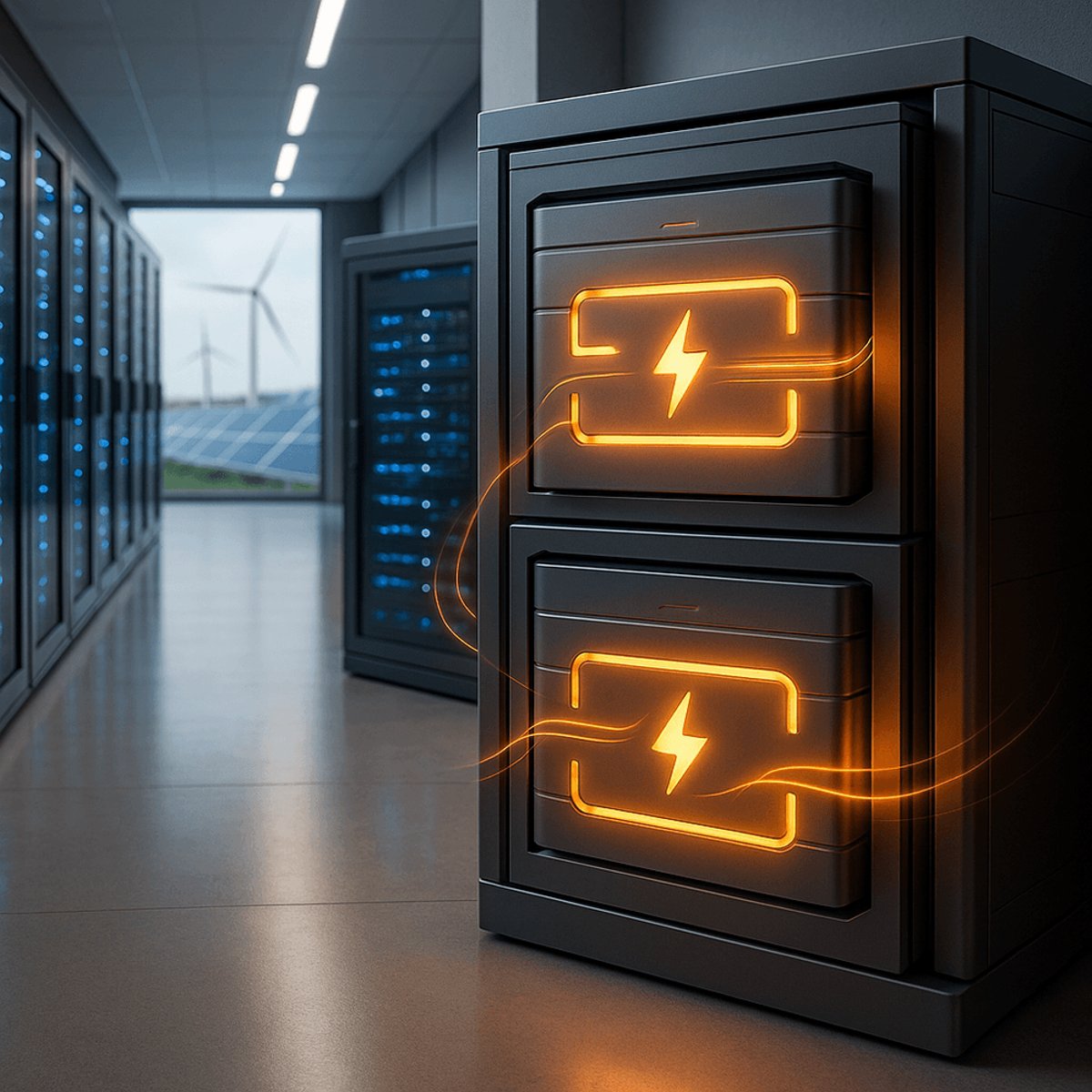
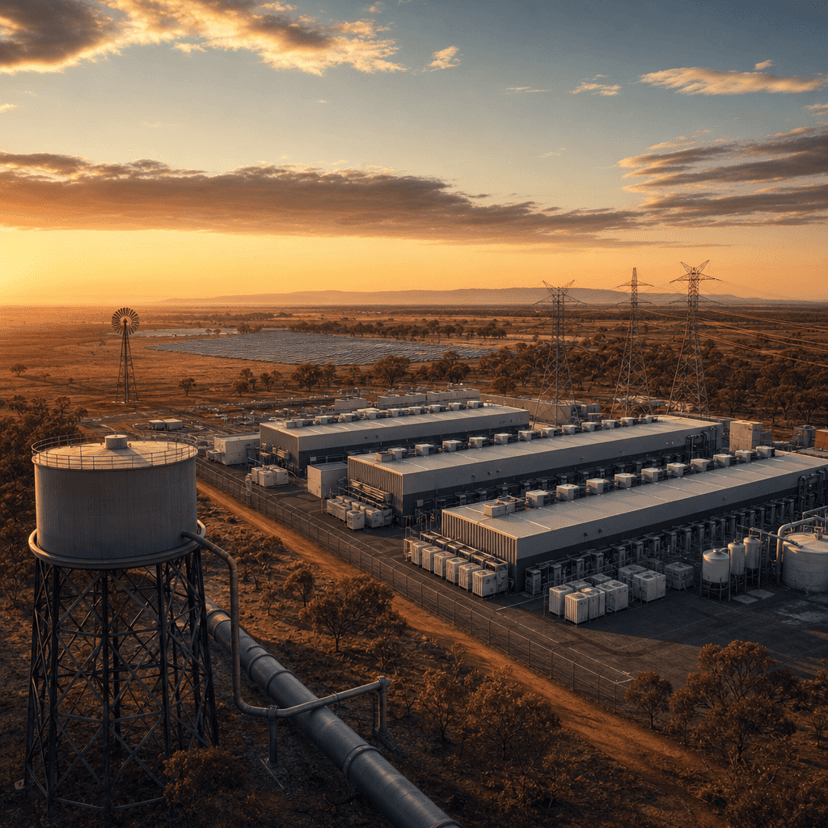
Google just made a billion-dollar bet on solving AI's energy crisis. The tech giant has paid Form Energy $1 billion for its groundbreaking 100-hour battery system, a deal that could reshape how data centers power their operations. The massive purchase clears the runway for Form Energy to raise fresh capital before a potential public debut in 2027, marking one of the largest clean tech transactions of the decade.
Google is throwing serious cash at the energy problem threatening to bottleneck AI development. The company's $1 billion deal with Form Energy represents the largest commitment yet by a major tech player to long-duration energy storage, a technology that's suddenly become critical as AI data centers devour electricity at unprecedented rates.
The purchase centers on Form Energy's unique iron-air battery system, which stores energy for up to 100 hours - a stark contrast to the four-hour maximum of conventional lithium-ion batteries. For Google's sprawling network of data centers powering everything from Search to Gemini AI models, that extended storage capacity means the ability to ride out multi-day grid disruptions or renewable energy gaps without falling back on fossil fuel backup generators.
Form Energy, founded in 2017 by veterans from MIT and Tesla's battery division, has been developing its iron-air technology with backing from Breakthrough Energy Ventures, ArcelorMittal, and other strategic investors. The startup's batteries work by converting iron to rust and back again, breathing in oxygen from the air - a process that's dramatically cheaper than lithium-ion alternatives because iron is abundant and the system doesn't require expensive rare earth metals.
The timing couldn't be more critical for Google. The company's AI ambitions are colliding hard with energy reality. Training large language models and running inference at scale require massive, constant power draws that often exceed what local grids can reliably supply. Industry analysts estimate that AI workloads could account for 20% of data center energy consumption by 2028, up from just 2% in 2023.
But this deal isn't just about keeping the lights on. It's a strategic play that positions Google ahead of rivals Microsoft, Amazon, and Meta in the race to secure reliable clean energy infrastructure. All four tech giants have committed to carbon-neutral operations, yet their AI expansions keep pushing those targets further out of reach. Microsoft recently signed deals with nuclear startups, while Amazon has invested heavily in small modular reactors.
For Form Energy, the Google deal changes everything. The billion-dollar infusion provides validation that its technology works at scale and creates immediate revenue that de-risks the company for future investors. According to sources familiar with the matter speaking to TechCrunch, Form Energy is now planning to raise a substantial funding round in late 2026 before pursuing an IPO in 2027.
The startup currently operates a manufacturing facility in West Virginia capable of producing batteries for several gigawatt-hours of storage annually. The Google contract will likely require significant expansion of that capacity. Form Energy had previously announced projects with utilities including Xcel Energy and Georgia Power, but nothing approaching the scale of this Google deployment.
Wall Street is taking notice. The long-duration energy storage market, barely a blip on investor radars three years ago, is now projected to hit $50 billion by 2030 as utilities and enterprises scramble to integrate renewable energy while maintaining grid reliability. Form Energy competitors like ESS Inc and Ambri have seen their valuations climb steadily, though neither has landed a customer commitment anywhere near Google's billion-dollar bet.
The deal structure remains undisclosed, but industry observers expect it includes both upfront payment for battery systems and long-term service agreements. Google will likely deploy these batteries across multiple data center campuses, prioritizing locations where renewable energy is abundant but intermittent - think solar-heavy regions like the Southwest or wind-dependent areas in the Midwest.
What makes this particularly interesting is the ripple effect it could trigger. If Google successfully demonstrates that 100-hour batteries can reliably power AI infrastructure through renewable energy fluctuations, it removes one of the biggest objections other companies have had to abandoning natural gas backup systems. That could accelerate clean energy adoption across the entire tech sector.
Google's billion-dollar bet on Form Energy signals that the AI revolution's biggest bottleneck isn't compute or data - it's power. As tech giants race to build ever-larger AI systems, securing reliable clean energy has become as strategic as chip supply chains. Form Energy's path from startup to potential public company, turbocharged by this massive deal, shows how quickly infrastructure providers can rise when they solve existential problems for hyperscalers. Watch for Microsoft, Amazon, and Meta to announce similar long-duration storage deals in coming months. The AI energy arms race just shifted into high gear.