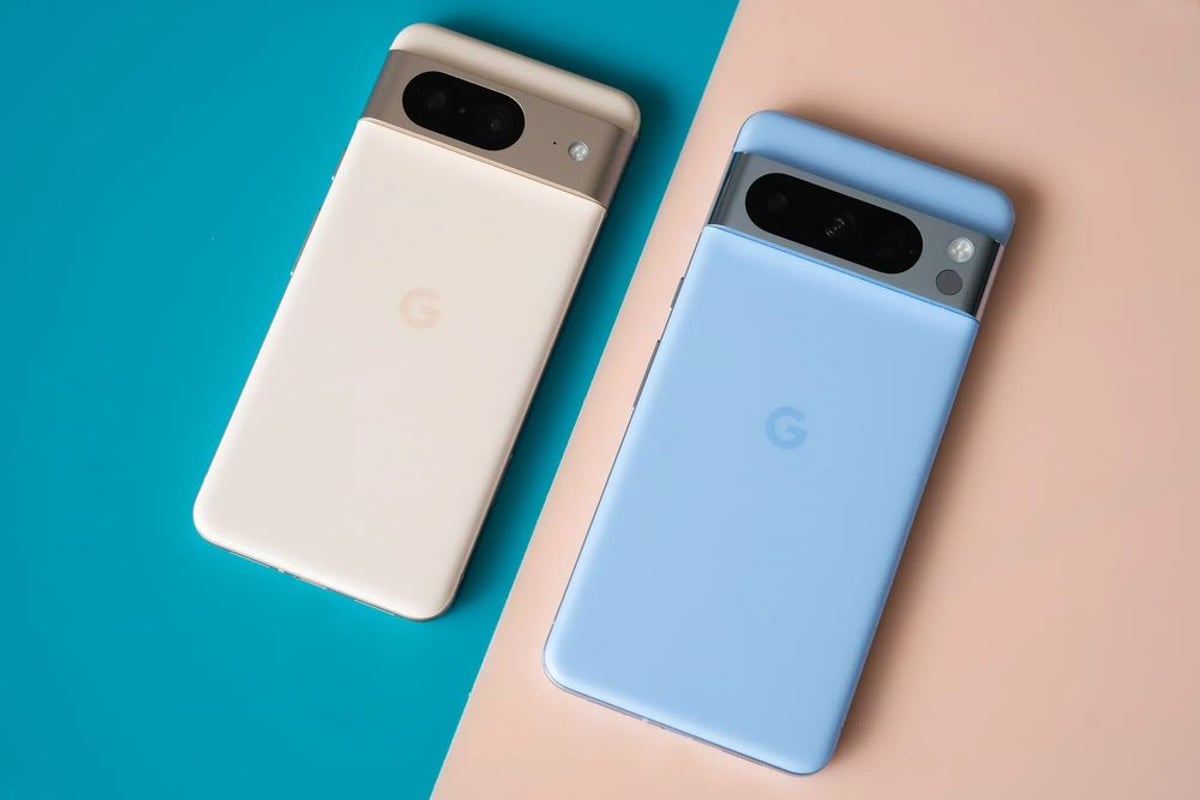
Google just expanded its Call Recording feature to older Pixel devices, filling a gap between its flagship AI-powered Call Notes and basic recording needs. The rollout hits Pixel 6 through Pixel 8 models this week, giving millions of users a productivity tool that's been quietly spreading across Android. It's a smart move that keeps older hardware relevant while showcasing Google's expanding phone app ecosystem.
Google is bridging the feature gap between its newest and older Pixel phones with a quiet but significant rollout. Call Recording is now hitting Pixel 6, 7, and 8 devices, according to 9to5Google, bringing a long-requested productivity tool to millions of users who don't have access to the company's premium AI features.
The timing reveals Google's calculated approach to feature distribution. While Pixel 9 and 10 users enjoy the full Gemini Nano-powered Call Notes experience - complete with AI transcription and smart summaries - older device owners get the fundamentals they actually need. "We first announced the expansion of the Call Recording feature in September," Google noted in its original blog post, but the company's been methodically testing the rollout for months.
Android Authority confirmed the feature's availability after installing the November Pixel Drop, with testing successful on both Pixel 10 Pro and 10 Pro Fold devices. The rollout strategy suggests Google's learned from past feature launches - instead of overwhelming servers with simultaneous activations, it's using a measured approach that ensures stability.
The technical implementation shows Google's understanding of real-world usage patterns. Call Recording creates simple audio files stored locally on devices, avoiding the cloud processing overhead that powers the more advanced Call Notes system. Users can manually start recordings or set up automatic recording for specific numbers or unknown contacts, with deletion schedules ranging from 7 days to permanent storage.
What's particularly clever is Google's legal compliance approach. The system downloads notification audio files that inform all call participants about recording, handling the complex patchwork of state and international recording laws. "You'll set it up during your first call, when Google explains how the recordings are handled and stored," according to The Verge's coverage.
The feature requirements reveal Google's broader Android strategy. While Pixel 6 and newer devices need Android 14 or higher, non-Pixel devices with the Phone app installed only require Android 9 or newer. This creates an interesting dynamic where Google's own older hardware has stricter requirements than third-party devices - likely due to integration with Pixel-specific security and storage systems.
Competitively, this puts pressure on Apple, which still lacks native call recording in iOS despite years of user requests. While iPhone users resort to third-party apps or workarounds, Google's building recording directly into the Phone app experience, creating another Android ecosystem advantage.
The rollout also highlights Google's AI product segmentation strategy. By giving older devices basic recording while reserving AI-powered features for newer hardware, the company creates clear upgrade incentives without abandoning existing customers. It's a delicate balance that keeps the Pixel ecosystem healthy while pushing users toward premium features.
Google's measured rollout of Call Recording to older Pixel devices shows a company that's learned to balance innovation with practicality. By giving Pixel 6-8 users essential recording functionality while reserving AI-powered features for newer models, Google maintains device value while creating clear upgrade paths. This strategy could become a template for other Android features - delivering core functionality broadly while using AI enhancements to drive hardware sales. Watch for similar rollouts across Google's app ecosystem as the company refines this approach.