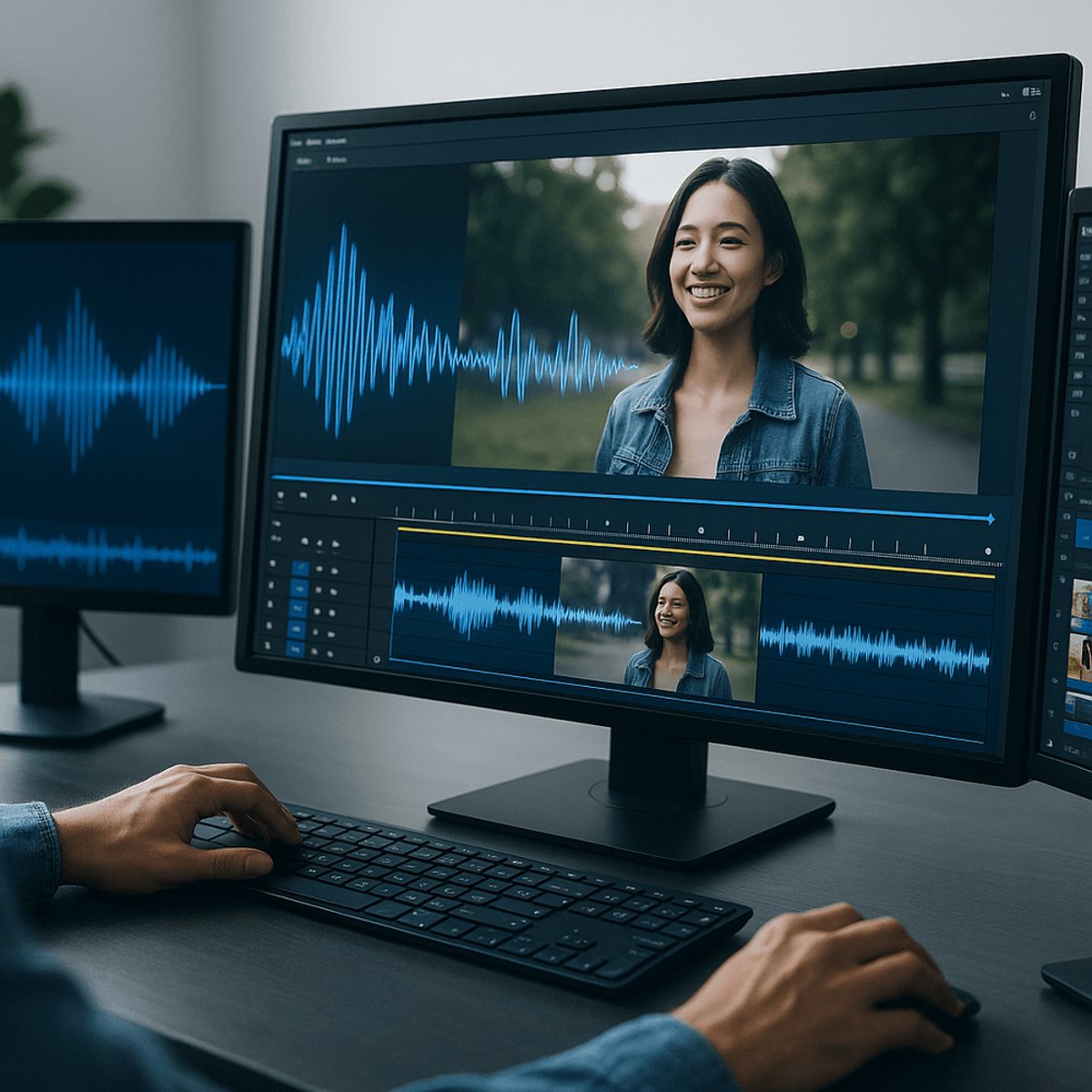
Google is rolling out major upgrades to its AI video generation platform, introducing Veo 3.1 with enhanced realism and for the first time adding audio support across all Flow editing features. The updates give creators more precise control over video editing and represent a significant leap in AI-powered filmmaking tools that have already generated over 275 million videos.
Google DeepMind just dropped a bombshell in the AI video generation race. The company's latest Veo 3.1 model brings what creators have been demanding - comprehensive audio support and dramatically more control over video editing, potentially reshaping how we think about AI-powered filmmaking.
The numbers tell the story of rapid adoption. Since launching Flow five months ago, the platform has generated over 275 million videos, according to Google's announcement. That's serious traction in a space where every tech giant is fighting for dominance.
But it's the technical leap that matters most. Veo 3.1 isn't just an incremental upgrade - it's Google's answer to the limitations creators have been hitting. "We're always listening to your feedback, and we've heard that you want more artistic control within Flow, with increased support for audio across all features," wrote Jess Gallegos, Senior Product Manager at Google DeepMind, in the company's blog post.
For the first time, creators can now add rich, generated audio to existing capabilities like Ingredients to Video, Frames to Video, and Extend. The Ingredients to Video feature lets users control characters, objects, and style using multiple reference images. Frames to Video creates seamless transitions between starting and ending images. The Extend feature can now create videos lasting a minute or more by building on the final second of previous clips.
The editing capabilities represent where Google is making its biggest bet. The new Insert tool lets creators add anything from realistic details to fantastical creatures, with Flow handling complex lighting and shadow work automatically. A Remove tool is coming soon, allowing seamless object deletion with automatic background reconstruction.
"Great ideas can strike at any point in the creative process," the announcement notes, addressing a core pain point for creators who need to iterate and refine their work.
Google's timing is strategic. While OpenAI continues testing Sora with limited access and Meta pushes its own video generation tools, Google is making Veo broadly available through multiple channels. The Veo 3.1 model is accessible via the Gemini API for developers, Vertex AI for enterprise customers, and the Gemini app for consumers.
The company claims Veo 3.1 is now "state-of-the-art" with stronger prompt adherence and improved audiovisual quality when turning images into videos. That's a direct challenge to competitors who've struggled with consistency and user intent interpretation.
What sets this launch apart is Google's focus on practical creative workflows rather than just impressive demos. The platform addresses real creator needs: precise editing, audio synchronization, and the ability to iterate on ideas without starting from scratch.
The enterprise angle is equally important. By making these tools available through Vertex AI, Google is positioning itself for business customers who need reliable, scalable video generation. That's a market Microsoft, Amazon, and others are also targeting aggressively.
Industry observers are watching how this impacts the broader AI video landscape. The addition of comprehensive audio support and advanced editing tools could accelerate adoption beyond early adopters and tech enthusiasts to mainstream creators and businesses.
The rollout comes as AI video generation moves from experimental to practical. Google's bet is that giving creators more control - not just better output - will win the market. With 275 million videos already generated, they have early evidence that approach is working.
Google's Veo 3.1 launch represents a significant escalation in the AI video generation wars, with comprehensive audio support and advanced editing tools that address real creator pain points. With 275 million videos already generated and enterprise-grade availability through multiple APIs, Google is positioning itself as the practical choice for creators who need reliable, controllable AI video generation. The question now is whether this combination of features and scale can help Google capture market share from OpenAI's Sora and other competitors still in limited release.