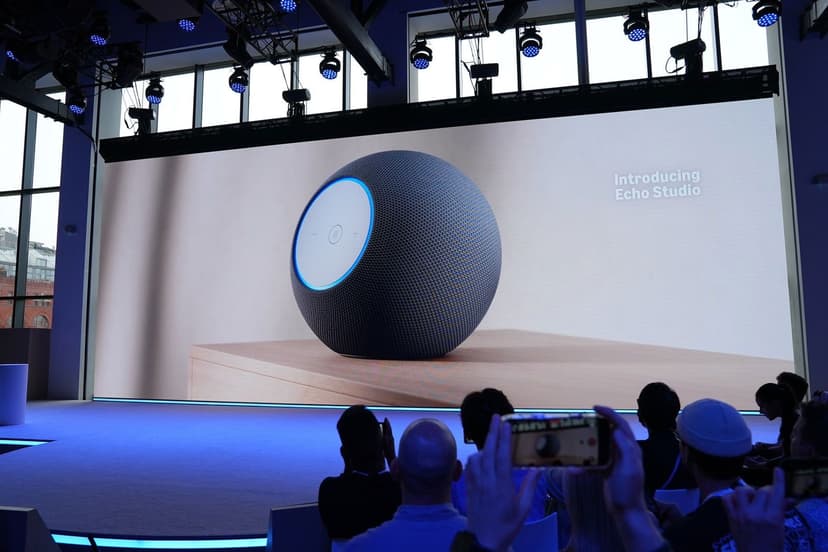
Google is quietly reshuffling its smart speaker strategy as supply shortages plague the Nest Mini and the company prepares to roll out Gemini for Home across its ecosystem. With a new Google Home Speaker slated for spring 2026 and compatibility questions swirling around the Pixel Tablet, the tech giant appears to be setting the stage for its biggest smart home refresh in years.
The signs have been building for months, and now it's becoming clear that Google is orchestrating a major shift in its smart speaker lineup. The company's popular Nest Mini, long the gateway drug for smart home adoption, has become increasingly difficult to find across major retailers. Even Google's own store currently stocks just one color option, a sharp departure from the device's usual widespread availability.
This inventory crunch comes as Google prepares to roll out Gemini for Home, its next-generation voice assistant that will eventually replace the current Google Assistant. The timing isn't coincidental. According to Wired's comprehensive buying guide, most existing Google smart speakers will receive backward compatibility with Gemini for Home, but one notable exception stands out: the Pixel Tablet.
The Pixel Tablet's exclusion from the compatibility list has raised eyebrows among smart home enthusiasts. The device, which doubles as both an Android tablet and a smart display when docked, represented Google's ambitious attempt to create a hybrid smart home hub. But with the speaker dock becoming increasingly scarce and no Gemini integration promised, the Pixel Tablet's future looks uncertain.
Meanwhile, Google has confirmed plans for a new Google Home Speaker launching in spring 2026. The device, priced at $99, shares the same price point as the current Nest Audio, suggesting it may serve as a direct replacement. Early descriptions paint it as a taller version of the Nest Mini, potentially combining the Mini's compact appeal with more robust audio capabilities.
The upcoming Gemini for Home rollout represents the most significant change to Google's smart home strategy since the original Google Home launch. Unlike competitors' paid voice assistants, Gemini for Home will remain free for basic functionality. However, Google is restructuring its Nest Aware camera subscription service to include premium assistant features.
The new subscription tiers mirror the current Nest Aware structure: Standard at $10 monthly and Advanced at $20 monthly. These plans will bundle camera storage with enhanced voice features, including Gemini Live - a more conversational chat mode - and AI-powered video history analysis. Users will also receive personalized "Home Brief" summaries at day's end.
Device compatibility reveals Google's broader strategy. Older speakers like the original Google Home (2016) and Home Mini (2017) will support basic Gemini for Home functionality. However, advanced features like Gemini Live require newer hardware, creating a clear upgrade path for users seeking premium capabilities. The Nest Audio (2020), Nest Hub Max (2019), and second-generation Nest Hub (2021) all earned the coveted star designation for Gemini Live compatibility.
The transition also highlights Google's competitive positioning against Amazon's Alexa ecosystem. While Amazon has moved toward paid tiers with Alexa+, Google maintains free basic functionality while monetizing through enhanced features and smart home services. This approach could prove crucial as voice assistants mature beyond simple queries toward more sophisticated home automation.
Third-party device makers face uncertainty in this transition. Companies like Lenovo have already seen software support end for their Google-powered smart displays, and newer Sonos speakers have dropped Google Assistant support entirely. Only older Sonos models like the Arc soundbar and original One speaker maintain compatibility, with no clear roadmap for Gemini integration.
The timing of these changes suggests Google recognizes the smart speaker market has matured. Early adopters have moved beyond basic voice commands toward integrated smart home ecosystems, creating opportunities for higher-value services and subscriptions. The Gemini rollout positions Google to capture this evolution while maintaining its competitive edge in AI-powered home automation.
Google's smart speaker refresh signals the company's shift from hardware sales to service subscriptions, positioning Gemini for Home as the cornerstone of its smart home strategy. While the Nest Mini's stock shortage raises questions about product continuity, the 2026 Google Home Speaker launch suggests evolutionary rather than revolutionary changes ahead. For consumers, the message is clear: prepare for a more capable but potentially costlier smart home experience as Google monetizes AI-powered automation.