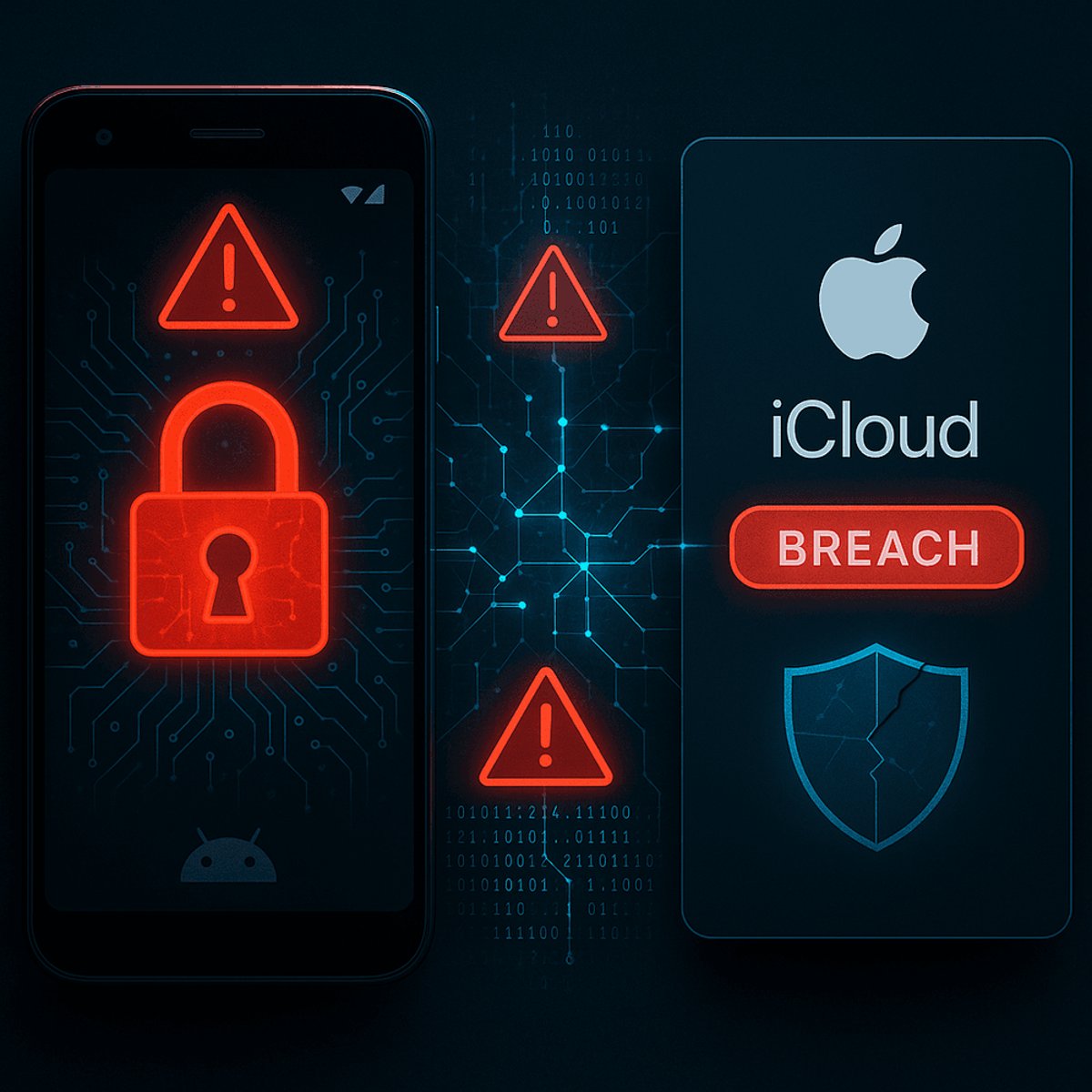
A sophisticated hack-for-hire operation has been caught red-handed running a coordinated spying campaign targeting both Android devices and iCloud accounts, according to new research from security firms. The group deployed custom Android spyware while simultaneously launching phishing attacks to steal iCloud credentials, giving them dual pathways into victims' digital lives. The discovery highlights how mercenary hackers are increasingly combining mobile malware with cloud-based attacks to maximize their reach.
Security researchers just pulled back the curtain on a hack-for-hire operation that's been running a sophisticated dual-platform spying campaign. The group targeted both Android devices with custom spyware and Apple users through iCloud phishing attacks, according to new findings from mobile security firm Lookout and digital rights organization Access Now.
The campaign represents a troubling evolution in mercenary hacking tactics. Rather than focusing on a single platform, these operators built infrastructure to attack victims across the mobile ecosystem. Their Android spyware could silently extract messages, contacts, location data, and other sensitive information from infected devices. Meanwhile, their phishing operation aimed to steal iCloud credentials, potentially giving attackers access to victims' backed-up photos, documents, and device data stored in Apple's cloud.
Researchers traced the operation to targets primarily located in the Middle East, though the exact identity of the victims and who hired the hackers remains unclear. The geographic focus suggests the campaign may have been commissioned by clients interested in surveillance of specific individuals or groups in that region. Hack-for-hire groups typically operate as mercenaries, selling their intrusion capabilities to governments, private investigators, or other clients willing to pay for illegal access to target devices.
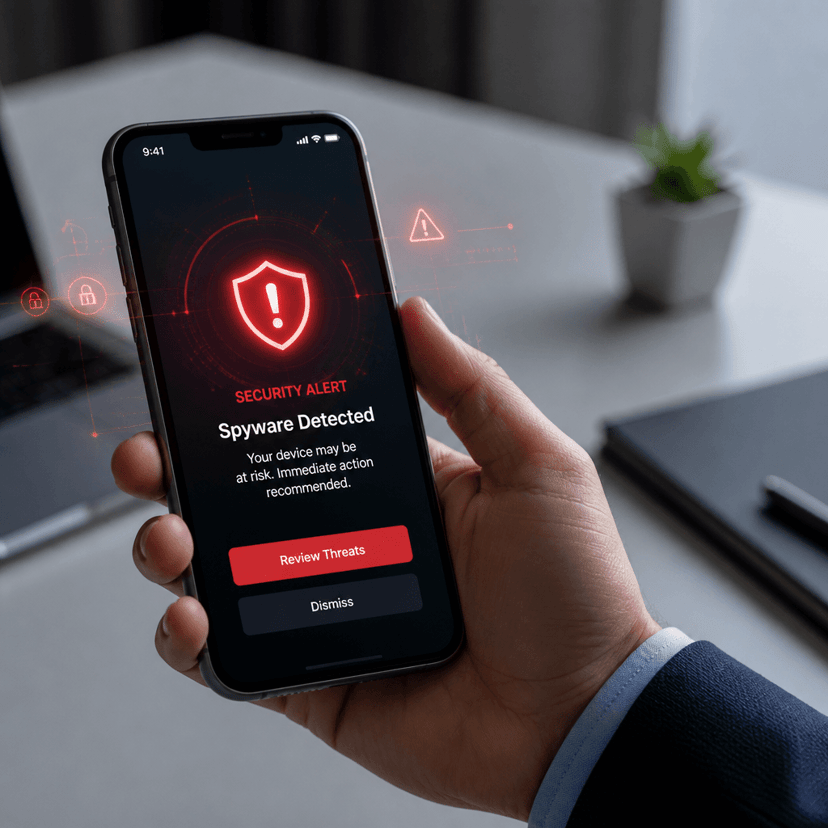
The Android spyware component showed notable technical sophistication. The malware masqueraded as legitimate applications while running surveillance functions in the background. Once installed, it established persistent access to compromised devices, allowing operators to continuously monitor targets over extended periods. The spyware's ability to operate stealthily made detection difficult for average users who might not notice unusual battery drain or data usage patterns.
On the iCloud front, attackers crafted convincing phishing pages designed to mimic Apple's login interfaces. These fake pages were deployed to trick targets into entering their credentials, which would then be captured by the attackers. With valid iCloud credentials, the hackers could access not just current device backups but potentially years of stored data including messages, photos, and app information that victims believed was securely stored.
The coordinated nature of the attacks suggests a well-resourced operation with expertise across multiple platforms. Building custom Android malware requires reverse engineering skills and understanding of mobile operating system internals. Simultaneously running phishing infrastructure demands separate capabilities in web development, social engineering, and operational security. The combination points to either a sophisticated group or collaboration between specialists.
Lookout researchers noted that mobile spyware campaigns have been proliferating as smartphones become the primary computing device for billions of users worldwide. The company tracks dozens of similar operations globally, many targeting journalists, activists, lawyers, and political figures. The hack-for-hire industry has grown substantially in recent years, with some groups operating openly as commercial entities offering "lawful intercept" services while others work in the shadows.
The discovery comes as both Apple and Google have been working to strengthen platform security against sophisticated threats. Apple has introduced lockdown mode for high-risk users and regularly patches iOS vulnerabilities exploited by spyware vendors. Google has similarly enhanced Android's security architecture and works with researchers to identify and remove malicious apps from the Play Store. But the cat-and-mouse game continues as attackers develop new techniques to bypass defenses.
For potential targets, the research underscores the importance of basic security hygiene. Using strong unique passwords, enabling two-factor authentication on cloud accounts, and being suspicious of unexpected login requests can thwart many phishing attempts. On the mobile malware front, users should avoid installing apps from unknown sources and keep devices updated with the latest security patches. High-risk individuals might consider using security tools specifically designed to detect sophisticated spyware.
The broader implications extend beyond individual victims. When hack-for-hire groups operate with impunity, they enable human rights abuses and undermine digital security for everyone. Several governments have begun taking action against commercial spyware vendors, with the U.S. adding firms like NSO Group to trade blacklists. But enforcement remains challenging when operators hide their identities and work across international borders.
This hack-for-hire exposure reveals how mercenary surveillance operations are becoming more sophisticated and multi-pronged. By simultaneously targeting Android devices and iCloud accounts, attackers maximize their chances of gaining access to victims' sensitive data. As mobile devices continue to be the primary repository of our digital lives, expect security researchers and platform vendors to face an ongoing battle against these increasingly capable threat actors. The challenge isn't just technical - it requires international cooperation to hold hack-for-hire groups accountable and protect high-risk users from targeted surveillance.