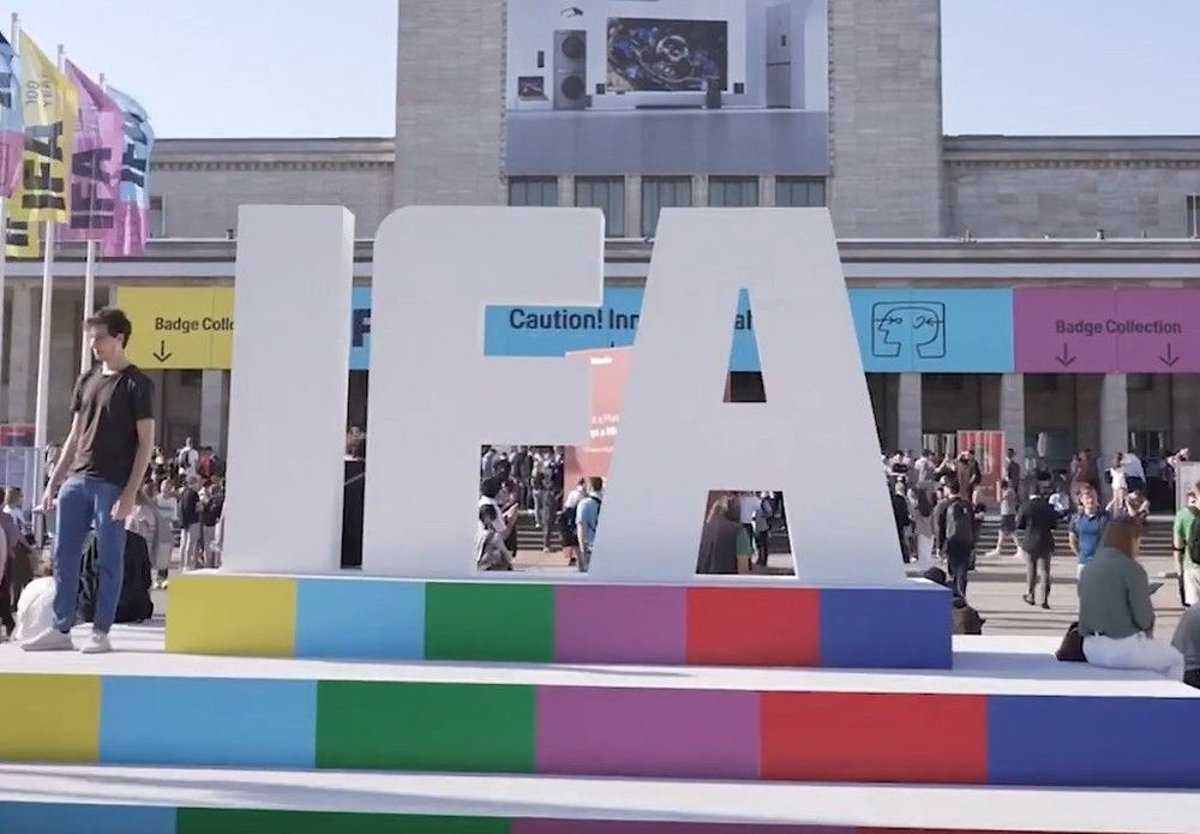
Europe's answer to CES is delivering its boldest slate yet. IFA 2025, running September 5-9 in Berlin, is showcasing a new generation of AI-powered consumer tech that promises to transform how we interact with everything from pizza ovens to fish tanks. The show floor is buzzing with smart home innovations, laptop launches, and display breakthroughs that signal where the industry is headed next.
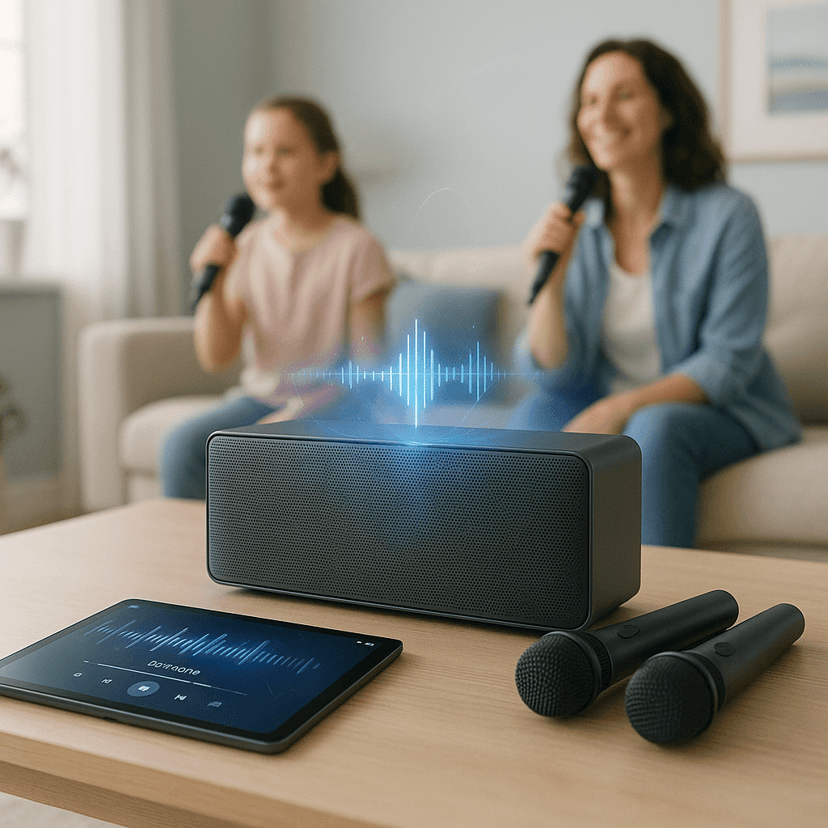
The Berlin exhibition halls are alive with the future of consumer technology. Samsung is making its presence felt with the new Sound Tower series, abandoning any pretense of subtlety. The ST50F and ST40F models feature wraparound LED light strips that transform these speakers into full-blown party centerpieces, complete with "racetrack-style" lighting and six dynamic patterns that would make a nightclub jealous.
But the real story emerging from IFA 2025 is how artificial intelligence is infiltrating every corner of consumer tech. Ooni has supercharged its Volt 2 pizza oven with "Pizza Intelligence" – an adaptive heating system that uses sensors to eliminate cold spots and temperature fluctuations. It's less revolutionary than the name suggests, but it demonstrates how AI is becoming the default upgrade path for traditional appliances.
The trend extends to the most unexpected places. Dangbei's Smart Fish Tank 1 Ultra promises "AI-powered feeding, real-time water monitoring, and studio-grade lighting for a self-sustaining ecosystem." Even aquarium maintenance is getting the machine learning treatment, suggesting we're entering an era where AI assistance becomes ubiquitous across categories that never needed it before.
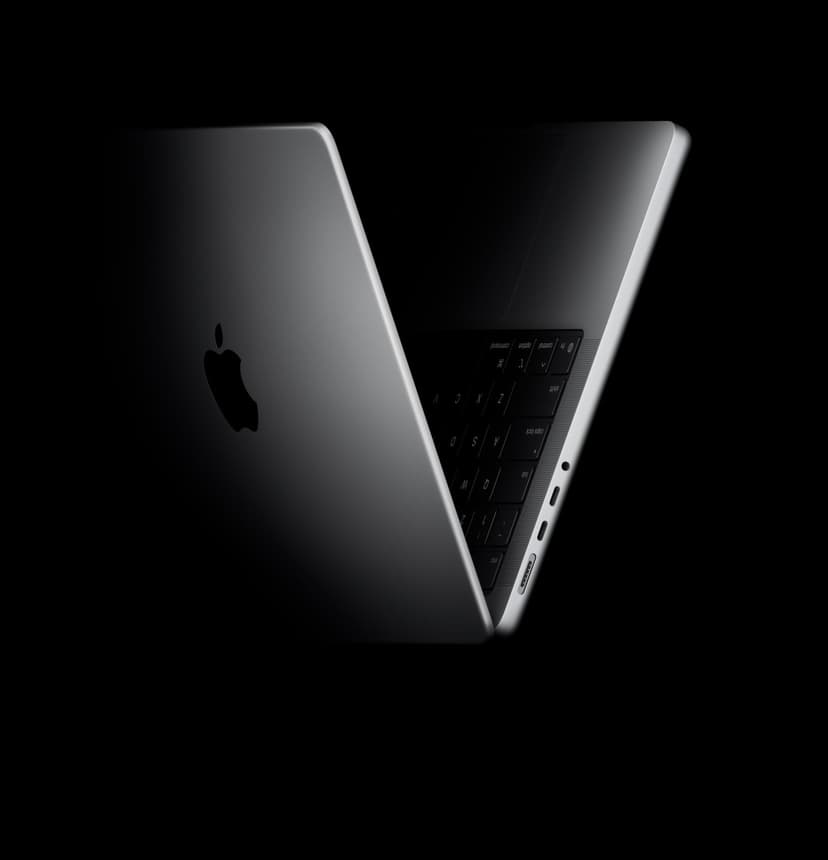
Acer is stealing headlines with an impressive hardware blitz. The company's Swift Air 16 defies physics, cramming a 16-inch display into a package that weighs less than a 13-inch MacBook Air – just 2.18 pounds for the IPS version. Starting at €999, it's targeting professionals who refuse to compromise on screen real estate for portability. The engineering achievement comes with trade-offs: at 0.63 inches thick, it's significantly chunkier than Apple's ultrabook.
On the gaming front, Acer's Predator Helios 18P AI pushes boundaries with an 18-inch 4K/120Hz Mini LED display powered by up to an RTX 5090 GPU. The €4,999 starting price places it firmly in enthusiast territory, but the inclusion of two Thunderbolt 5 ports signals where high-end laptops are headed. The company's Predator X27U F8 monitor adds a dual-mode 720Hz OLED display to the mix, joining the growing arms race in ultra-high refresh rate gaming.
JBL is expanding its party speaker empire with the PartyBox 720, the company's largest battery-powered model yet. Weighing 7 pounds more than its predecessor and featuring dual 9-inch subwoofers, it represents the continuing escalation in portable audio. The $1,099 price tag reflects the premium consumers pay for untethered bass.
Perhaps the most intriguing development comes from Dolby, which is launching Dolby Vision 2 more than a decade after the original format debuted. The new standard introduces "Content Intelligence" that uses AI to optimize picture quality based on viewing conditions and source material. Features like Precision Black and bi-directional tone mapping suggest the industry is still finding ways to squeeze performance from premium displays.
The show's emphasis on AI integration reflects broader industry trends. As hardware performance gains plateau, manufacturers are turning to intelligent software to differentiate their products. Whether it's optimizing pizza temperatures or managing fish tank ecosystems, AI is becoming the universal value-add proposition.
What emerges from IFA 2025 is a snapshot of an industry in transition. Traditional product categories are being reimagined through the lens of artificial intelligence, while hardware continues pushing physical boundaries – lighter laptops, brighter projectors, faster displays. The combination suggests a future where our devices don't just respond to commands but anticipate our needs across every aspect of daily life.
IFA 2025 reveals an industry betting big on AI as the next frontier for consumer technology differentiation. From smarter appliances to more responsive displays, the Berlin show demonstrates how artificial intelligence is becoming the default upgrade path across product categories. Combined with continued hardware innovation in laptops, speakers, and displays, these developments point toward a more intuitive and anticipatory relationship between consumers and their devices.