Veteran indie filmmaker Jim Jarmusch delivered a stinging rebuke of streaming platform Mubi's recent $100 million funding round from Sequoia Capital during his Venice Film Festival premiere today. The controversy stems from filmmakers' concerns over Sequoia's investments in Israeli defense tech, creating an unexpected flashpoint between Silicon Valley venture capital and the independent film community.
The Venice Film Festival just became ground zero for a Silicon Valley funding controversy that's sending shockwaves through the independent film world. Mubi, the arthouse streaming platform beloved by cinephiles, found itself under fire from one of its own collaborators during what should have been a celebration of artistic achievement.
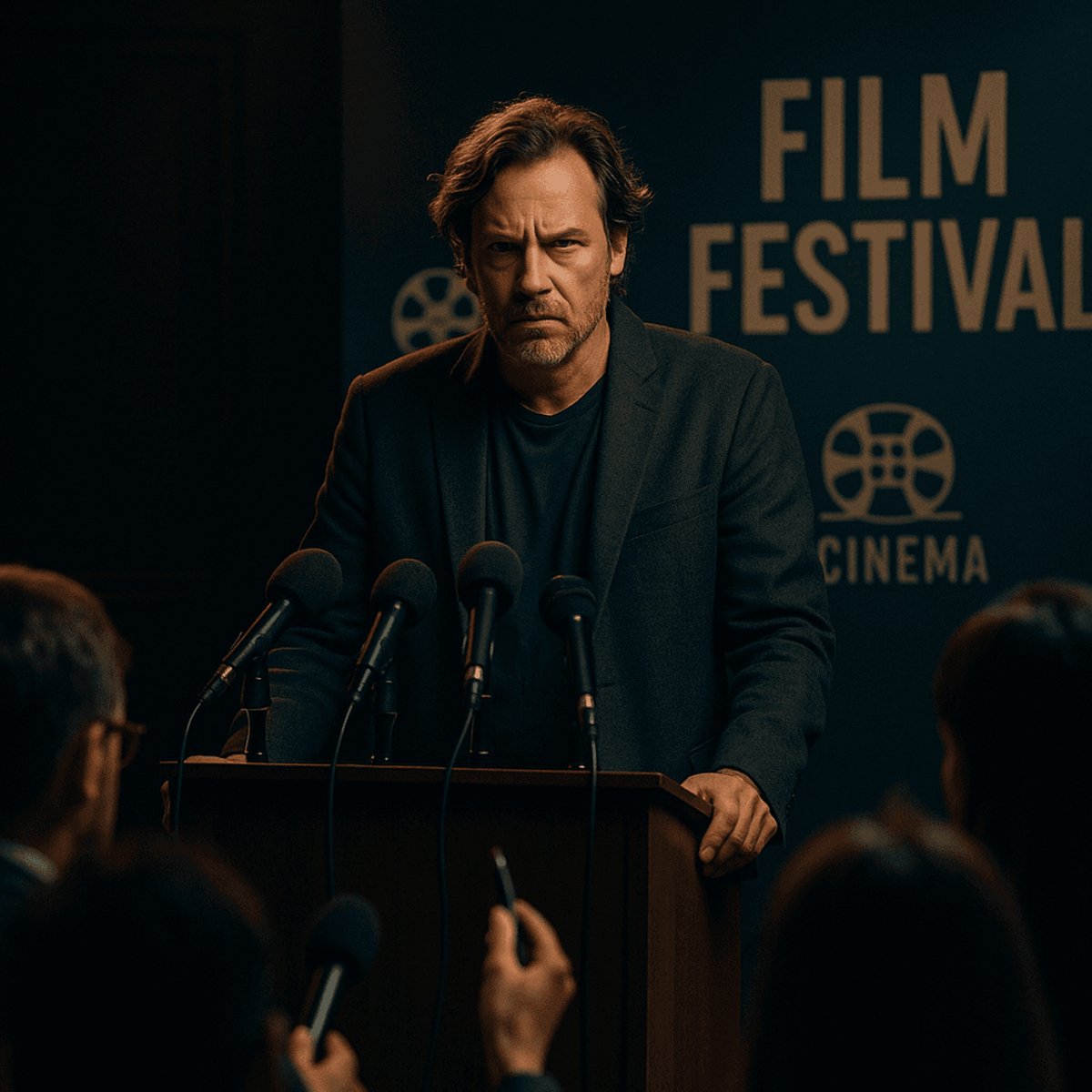
Jim Jarmusch, the legendary director behind "Dead Man" and "Coffee and Cigarettes," didn't mince words during the press conference for his new film "Father Mother Sister Brother." When journalists pressed him about Mubi's recent $100 million funding round led by Sequoia Capital, Jarmusch delivered a public rebuke that reverberated far beyond the festival circuit.
"I was disappointed and disconcerted by this relationship," Jarmusch told the assembled press, according to Variety's coverage. The filmmaker was careful to separate his creative partnership from the funding controversy, noting that his "relationship with Mubi started much before that, and they were fantastic to work with on this film."
The backlash centers on Sequoia Capital's portfolio company Kela, an Israeli defense technology startup. Filmmakers argue that accepting money from Sequoia creates an indirect connection between Mubi's growth and what they characterize as military activities in Gaza. The controversy gained momentum when numerous filmmakers, including some with existing Mubi relationships, signed an open letter stating that "Mubi's financial growth as a company is now explicitly tied to the genocide in Gaza."
Mubi founder and CEO Efe Cakarel pushed back against these characterizations, insisting to Variety that "any suggestion that our work is connected to funding the war is simply untrue." But the damage to the platform's carefully cultivated indie credibility was already spreading through festival circles.
The timing couldn't be worse for Mubi. The platform has spent years building relationships with independent filmmakers by positioning itself as an alternative to mainstream streaming giants like Netflix and Amazon Prime Video. Its curation-focused approach and support for arthouse cinema made it a darling of the festival circuit – exactly the community now questioning its funding sources.
Jarmusch's comments reveal the broader tensions emerging as venture capital increasingly flows into creative industries. The director acknowledged the inherent contradictions facing independent artists, telling the Venice press corps that he's "not the spokesman" for Mubi but rather an independent filmmaker who's "taken money from various sources to fund my films."
His most pointed observation cut to the heart of the dilemma: "All corporate money is dirty." The comment encapsulates the impossible position many artists find themselves in – needing funding to create while maintaining artistic and moral independence.
The controversy highlights how geopolitical issues are increasingly intersecting with Silicon Valley investment decisions. Sequoia Capital, one of venture capital's most prestigious firms, has backed companies from Apple to Google to WhatsApp. Now its investment choices are being scrutinized through a political lens that extends far beyond traditional business considerations.
For Mubi, the $100 million funding round was supposed to fuel international expansion and content acquisition. Instead, it's created a crisis of confidence among the very creators and audiences the platform depends on. The company now faces the challenge of maintaining its indie credibility while justifying its association with a venture capital ecosystem that many of its collaborators view as complicit in global conflicts.
The Venice controversy may be just the beginning. As more streaming platforms seek venture capital to compete with deep-pocketed tech giants, they're likely to face similar scrutiny over their investors' other portfolio companies and geopolitical connections.
The clash between Jarmusch and Mubi over Sequoia's funding exposes a new reality for creative industries: venture capital comes with political baggage that can't be ignored. As streaming platforms compete for both content and capital, they're discovering that Silicon Valley money brings Silicon Valley problems. The indie film community's response suggests that maintaining artistic credibility may require more careful consideration of funding sources – or accepting Jarmusch's pragmatic pessimism that "all corporate money is dirty." Either way, the days of separating art from the politics of its funding appear to be over.