TL;DR:
• Louisiana AG sues Roblox alleging platform facilitates child exploitation
• Lawsuit cites explicit content including "Escape to Epstein Island" and "Diddy Party" games
• 40% of Roblox's 82 million daily users are under 12 years old
• Legal action seeks to ban company from claiming adequate safety features exist
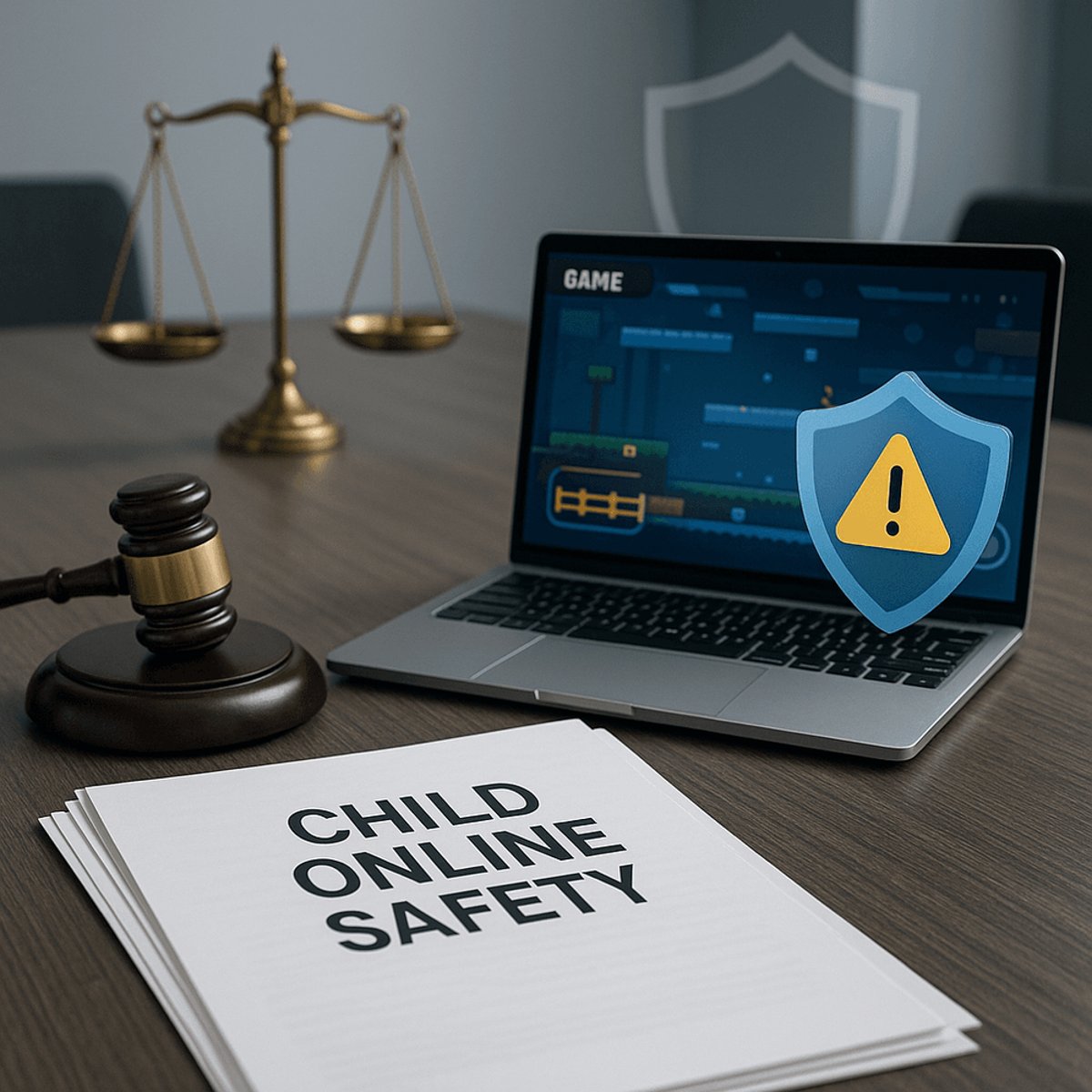
Louisiana Attorney General Liz Murrill has filed a bombshell lawsuit against Roblox, accusing the gaming giant of creating the "perfect place for pedophiles" by deliberately failing to implement basic safety controls. The explosive legal filing alleges the platform facilitates child sexual abuse material and exploits Louisiana's children while prioritizing profits over protection.
The legal earthquake hit Thursday when Louisiana's top prosecutor unleashed a 40-page complaint that reads like a child safety nightmare. Roblox, the $30 billion gaming platform that launched in 2006, now faces accusations that it "has and continues to facilitate the distribution of child sexual abuse material and the sexual exploitation of Louisiana's children," according to the lawsuit filed by Attorney General Liz Murrill.
The timing couldn't be worse for Roblox. Shares have already tumbled 15% this year amid growing regulatory scrutiny, and this lawsuit exposes the ugly underbelly of a platform that hosts 82 million daily active users. The numbers are staggering: 20% of users are under 8 years old, while another 20% fall between ages 9-12, making nearly half the platform's massive audience vulnerable children.
"Roblox is overrun with harmful content and child predators because it prioritizes user growth, revenue, and profits over child safety," Murrill declared in a scathing statement. Her words carry extra weight given Louisiana's historically aggressive stance on child protection laws.
The lawsuit exposes disturbing content that managed to slip through Roblox's supposed safety nets. Players could access experiences titled "Escape to Epstein Island," "Diddy Party," and "Public Bathroom Simulator Vibe" - content so explicitly inappropriate it reads like a prosecutor's worst-case scenario. These aren't isolated incidents but systematic failures, according to the legal filing.
Roblox scrambled to respond through a spokesperson who insisted the company "dedicates substantial resources, including advanced technology and 24/7 human moderation, to help detect and prevent inappropriate content." But that defense rings hollow against the lawsuit's central allegation: that adults can easily pose as children while kids bypass age restrictions to access mature content.
The legal challenge builds on a year of devastating reports. Bloomberg's investigation and Hindenburg Research's scathing analysis already exposed how Roblox was "exposing young users to dangerous risks, such as grooming and explicit content." Those reports triggered new safety measures in November 2024, including banning direct messages for users under 13.
But Murrill's lawsuit dismisses these changes as "too late and inadequate." The legal filing paints a picture of a company that knew about dangers but chose growth over protection. With Roblox generating $3.2 billion in revenue last year, the financial incentives to maintain loose content policies become crystal clear.
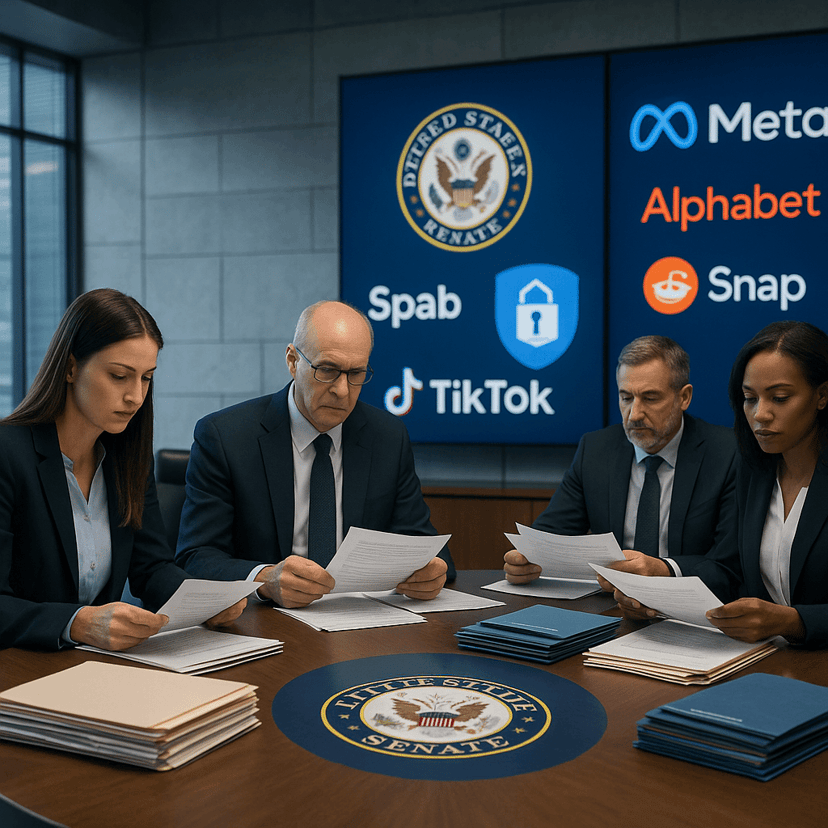
The competitive implications extend far beyond Roblox. Epic Games and Minecraft now face pressure to demonstrate superior child safety protocols, while parents increasingly scrutinize all gaming platforms. The lawsuit could trigger copycat legal actions in other states, potentially creating a regulatory avalanche.
"Every parent should be aware of the clear and present danger posed to their children by Roblox," Murrill warned, words that could haunt the company's user acquisition efforts. The lawsuit seeks permanent injunctive relief that would prohibit Roblox from claiming adequate safety features exist - essentially forcing a complete overhaul of their marketing narrative.
This lawsuit represents a watershed moment for child safety in gaming. Louisiana's aggressive legal strategy could force industry-wide changes, making Roblox the test case for how far states will go to protect young users. With 40% of the platform's audience under 12 and explicit content still surfacing, the pressure mounts for comprehensive reform. Parents, regulators, and competitors are all watching to see whether this legal challenge finally forces Roblox to choose child safety over explosive growth - a decision that could reshape the entire gaming industry's approach to content moderation.