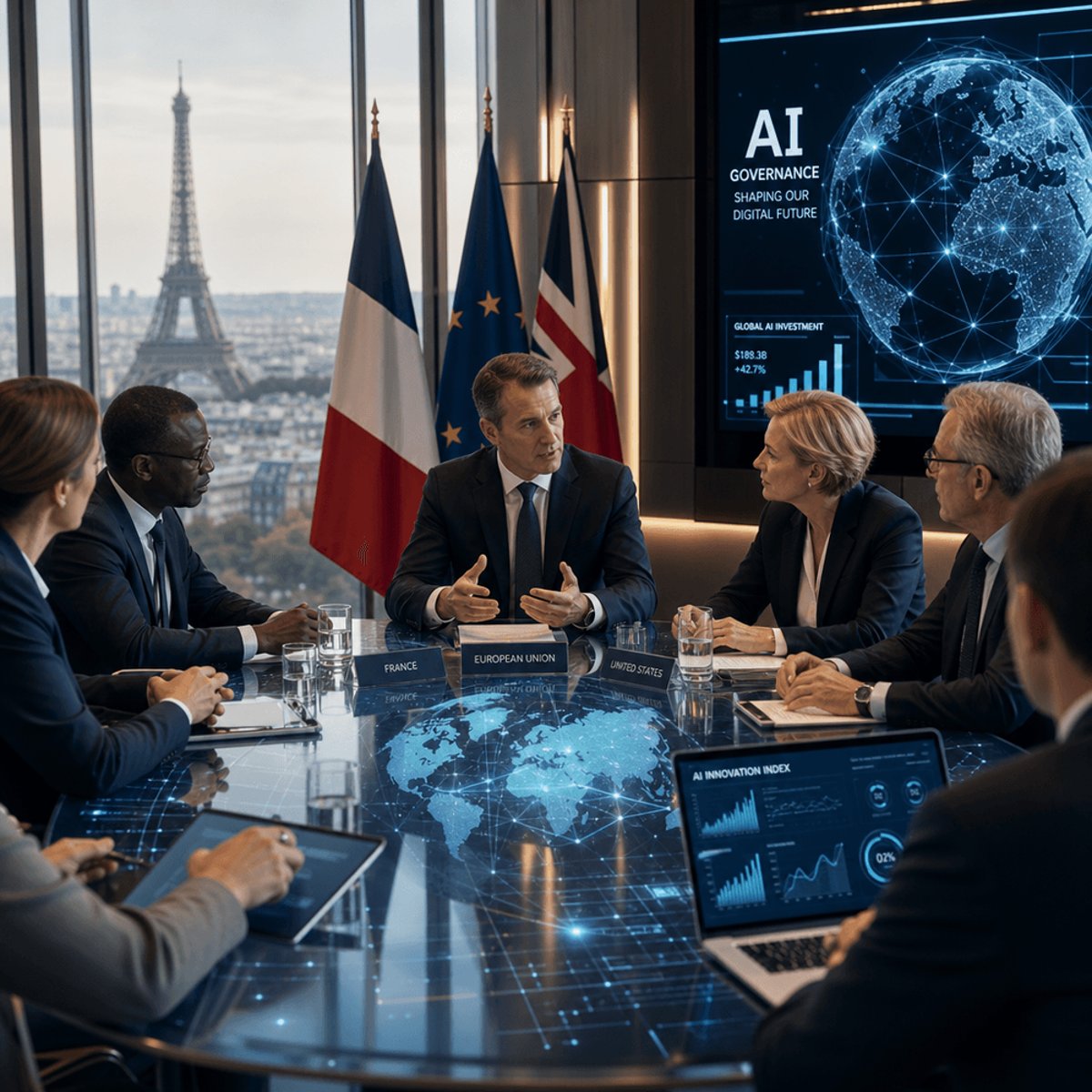
French President Emmanuel Macron just extended a rare invitation to OpenAI CEO Sam Altman to attend this year's G7 summit, the company confirmed to CNBC. The move signals France's aggressive push to position itself as Europe's AI powerhouse and comes as global leaders grapple with how to regulate—and court—the technology's most influential players. It's an unusual diplomatic gesture that underscores how AI leadership has become as critical to national competitiveness as traditional economic metrics.
OpenAI CEO Sam Altman is heading to the G7, but not as a protester or policy wonk—he's going as French President Emmanuel Macron's guest. The company confirmed the invitation to CNBC on Wednesday, marking a notable moment in the intersection of AI development and international diplomacy.
The invitation isn't just ceremonial. Macron has spent the past two years methodically courting Silicon Valley's AI elite, positioning France as the European answer to America's tech dominance. While Brussels drafts the AI Act and London pitches itself as a light-touch regulatory hub, Paris is rolling out the red carpet for the companies actually building the technology.
This isn't Altman's first dance with European leaders. He's met with UK Prime Minister officials multiple times and has been a fixture at Davos-style gatherings. But a formal G7 invitation elevates the stakes considerably. The summit typically focuses on heads of state discussing global economic coordination, security issues, and trade policy. Having a private tech CEO at the table—even in a limited capacity—reflects how completely AI has scrambled traditional power dynamics.
France has legitimate ambitions here. The country produced some of AI's foundational researchers, including Yann LeCun at Meta and many of the minds behind Google DeepMind's breakthroughs. Macron has repeatedly argued that Europe shouldn't just regulate American AI—it should build its own. His government has pushed tens of millions in funding toward AI research and offered tax incentives for AI startups.
But France faces headwinds. The EU's AI Act, while well-intentioned, has already spooked some investors who see it as premature regulation of a technology still in its infancy. Meanwhile, the UK is aggressively marketing itself as having a more business-friendly approach, and Germany continues to dominate industrial AI applications in manufacturing and automotive sectors.
Altman's attendance could signal OpenAI is considering deeper European partnerships. The company has been expanding its international footprint, opening offices in London and Dublin, but hasn't announced major infrastructure investments on the continent. France would love to host European data centers or research facilities—the kind of tangible commitments that create jobs and anchor the AI supply chain.
The G7 invitation also comes at a delicate moment for AI governance globally. The US, UK, and EU have all proposed different frameworks for AI safety and regulation, creating a fragmented landscape that companies like OpenAI must navigate. Some critics worry that governments courting AI companies too aggressively might weaken safety standards in a race to attract investment.
Macron's broader strategy has been to position France as the bridge between American innovation speed and European regulatory caution. He's hosted multiple AI summits in Paris, bringing together researchers, companies, and policymakers. The approach has won him credibility in tech circles, even as some French critics argue he's too cozy with Silicon Valley at the expense of homegrown alternatives.
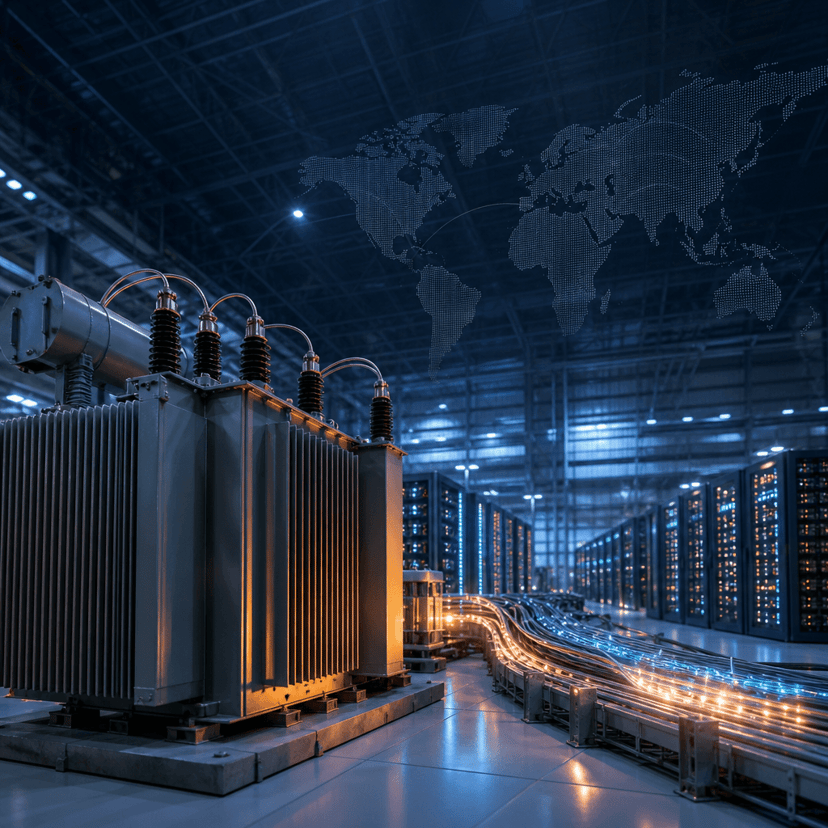
For Altman, the G7 appearance is both opportunity and tightrope. He'll likely face questions about AI safety, OpenAI's governance structure, and the company's massive computational needs. European leaders are particularly focused on energy consumption—AI data centers require enormous power, and France's nuclear-heavy grid could be part of the pitch.
The invitation also highlights how individual tech leaders have become quasi-diplomatic figures. Altman isn't an elected official, but his decisions about where to deploy AI infrastructure and how to design safety guardrails have geopolitical consequences. Governments increasingly recognize they need these CEOs at the table, not just regulating from a distance.
Whether this translates into concrete commitments remains to be seen. Altman has proven adept at diplomatic engagements without making binding promises. But the symbolism matters—France is signaling it's serious about AI, and it has the presidential bandwidth to make it a priority.
Macron's G7 invitation to Altman is more than diplomatic theater—it's France making a calculated bet that winning AI's future requires winning over its architects. As Europe struggles to balance innovation with regulation, the countries that can offer both credible oversight and genuine partnership may have the edge. For OpenAI, it's another reminder that building transformative AI technology means navigating an increasingly complex web of national interests, each hoping to claim a piece of the AI economy. What happens when Altman sits down with G7 leaders could shape where billions in AI investment flow next.