Meta is already notifying Australian teenagers that their Facebook and Instagram accounts will be shut down when the country's groundbreaking social media ban takes effect December 10. The company will revoke access for all users under 16, marking the first major tech platform to comply with Australia's sweeping new law targeting teen social media use.
Meta just fired the opening shot in what could become a global battle over teen social media access. The company started sending notifications to Australian teenagers this week, warning them their Facebook and Instagram accounts will be suspended when Australia's unprecedented social media ban kicks in on December 10.
The notifications mark a historic moment - the first time a major social platform has been forced to mass-shutdown teen accounts due to government regulation. Starting December 4, Meta will also prevent anyone under 16 from creating new accounts in Australia. Existing teen users will find their accounts frozen but preserved, accessible again once they turn 16.
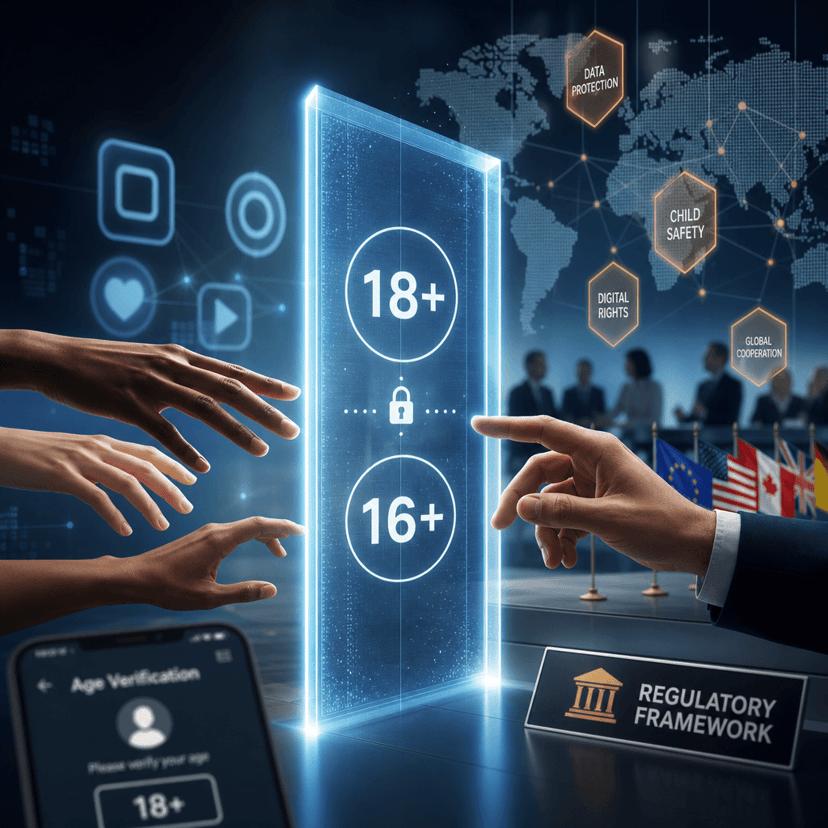
Australia's parliament recently passed the world's strictest social media age restrictions, requiring platforms to verify users are at least 16 years old. The law puts Australia at the forefront of a growing global movement to limit teen access to social platforms, with lawmakers from the UK to several US states watching closely.
But Meta faces a massive technical challenge: actually determining who's under 16. The company acknowledges that users routinely lie about their ages during signup, a problem that's plagued social platforms since their inception. Internal data suggests millions of teen accounts worldwide use fake birthdates to bypass existing age restrictions.
The age verification dilemma highlights a broader industry problem. Digital identity checks are notoriously difficult to execute safely, requiring users to upload government documents that create massive security risks. Identity verification companies have already proven vulnerable - AU10TIX, which verifies users for TikTok, Uber, and X, left sensitive user data exposed online for over a year.
Industry analysts expect Meta will likely deploy a combination of AI-powered age estimation, behavioral analysis, and selective document verification. The company has been quietly testing machine learning models that analyze profile photos, friend networks, and posting patterns to estimate user ages with roughly 85% accuracy, according to sources familiar with the technology.
The Australian ban puts enormous pressure on other social platforms. TikTok, Snapchat, YouTube, and X must all comply with the same December 10 deadline, though none have publicly detailed their enforcement plans yet. Industry observers expect a patchwork of different approaches, potentially creating confusion for both users and parents.
Parents and digital rights groups remain divided on the ban's effectiveness. Some applaud Australia's decisive action against platforms they blame for rising teen mental health issues, while others argue the law pushes young users toward less regulated corners of the internet.
The economic implications are significant too. Meta generates an estimated $180 per Australian teen user annually through advertising, according to digital marketing firm eMarketer. Losing that revenue stream, even temporarily, could impact the company's Asia-Pacific growth targets.
Other countries are already studying Australia's model. The UK is considering similar legislation, while several US states have proposed their own teen social media restrictions. However, most face significant legal challenges around free speech protections that don't exist in Australia's regulatory framework.
Australia's social media ban represents a turning point for the global tech industry, forcing platforms to confront the reality of government-mandated age restrictions. While Meta's compliance demonstrates how quickly regulations can reshape platform operations, the technical challenges of age verification remain largely unsolved. As other countries watch Australia's experiment unfold, the success or failure of this ban could determine whether similar laws spread worldwide or whether the industry finds ways to push back against what some see as overreach into digital freedoms.