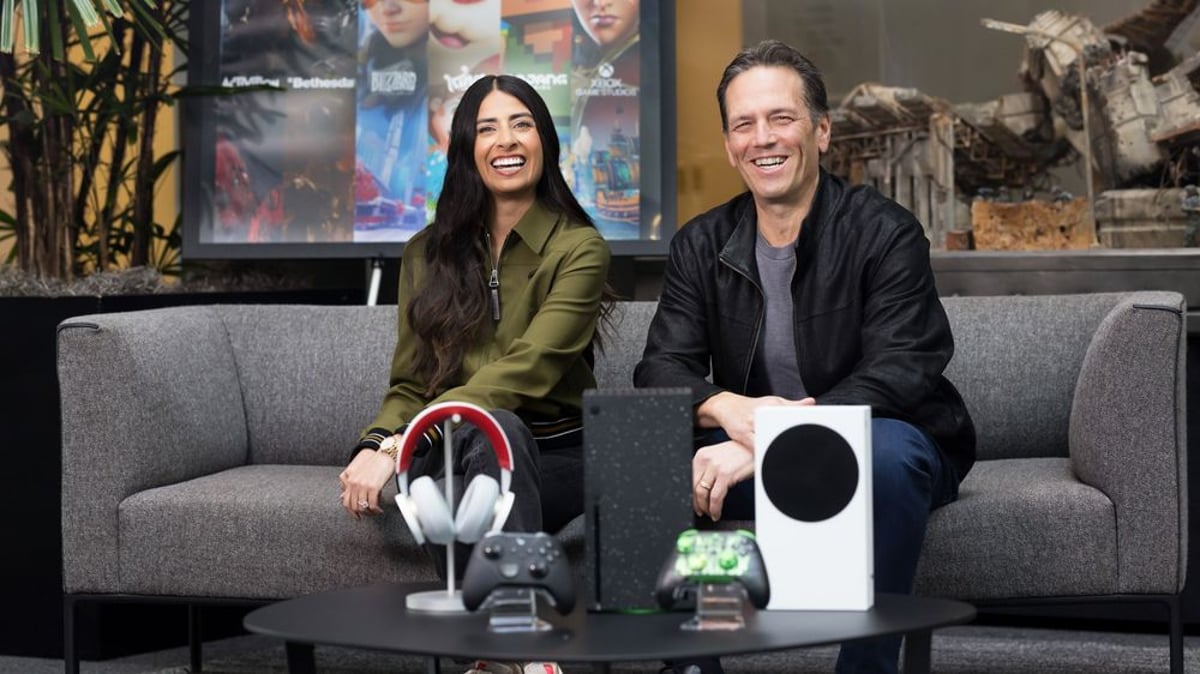
Microsoft just dropped one of the biggest leadership bombs in gaming history. After nearly four decades at the company, Xbox chief and Microsoft Gaming CEO Phil Spencer is retiring, and Xbox president Sarah Bond is leaving too. The kicker? Microsoft's CoreAI president Asha Sharma is taking over the gaming empire, signaling a dramatic shift in how Microsoft sees the future of Xbox. CEO Satya Nadella revealed in a memo that Spencer made the call last year, quietly setting succession plans in motion while the industry remained in the dark.
Microsoft is reshuffling its entire gaming leadership, and the timing couldn't be more revealing. Phil Spencer, who spent nearly 40 years climbing from program manager to the face of Xbox itself, is calling it quits. Sarah Bond, the Xbox president who championed hardware innovation and the controversial digital-only Series S, is out too. According to Satya Nadella's internal memo, Spencer decided to retire last year, but Microsoft kept the news under wraps while orchestrating one of gaming's biggest succession plans.
The industry had no idea this was coming. Last summer, when retirement rumors swirled, Microsoft shot them down fast, insisting Spencer wasn't "retiring anytime soon" in response to earlier speculation. That denial now looks like careful media management while Microsoft worked behind the scenes to position Asha Sharma, its CoreAI president, to take the helm.
Sharma's appointment is the real story here. She's not a gaming veteran. She comes from Microsoft's AI division, where she's been driving the company's push into artificial intelligence and machine learning. Her first memo as Microsoft Gaming CEO hints at where this is headed: AI-powered game development, intelligent matchmaking systems, and probably a whole lot of machine learning baked into everything from Xbox Game Pass recommendations to in-game assistants.
"We're building the future of interactive entertainment," Sharma wrote in her debut memo to employees, carefully avoiding the word "gaming" in favor of broader language that suggests Microsoft sees Xbox as more than just consoles and controllers. For a company that just closed its $69 billion Activision Blizzard acquisition, putting an AI executive in charge of that massive gaming empire sends a clear signal: Microsoft thinks AI will reshape how games are made, played, and monetized.
Matt Booty, the former head of Xbox Game Studios, is moving up to EVP and chief content officer in the new structure. Booty oversaw Microsoft's stable of first-party studios through some rocky years, including the troubled Halo Infinite launch and mixed reception to titles like Redfall. His promotion suggests Microsoft still values institutional knowledge even as it imports AI expertise from other divisions.
The double departure of Spencer and Bond leaves Xbox without its two most visible leaders. Spencer became the public face of Xbox, smoothing over the disastrous Xbox One launch, pivoting to Game Pass, and eventually convincing Nadella to spend nearly $70 billion on Activision Blizzard. Bond championed Xbox's technical roadmap and diversity initiatives while navigating the console wars against Sony's PlayStation 5. Her departure memo struck a personal tone but revealed little about why she's leaving or what's next.
Inside Microsoft, the shakeup created immediate anxiety about job security. The company moved fast to calm nerves, stating publicly that the leadership changes don't signal incoming studio layoffs. That's notable given Microsoft cut nearly 2,000 gaming jobs in early 2024 after absorbing Activision Blizzard's workforce.
The gaming industry is watching how Sharma handles the transition. She inherits a division still integrating Activision Blizzard, managing expectations around exclusive titles, and competing with Sony in a console generation where Xbox hardware continues to trail PlayStation 5 sales. Spencer's strategy centered on Game Pass subscriptions and multi-platform availability, even bringing Xbox exclusives to PlayStation. Will Sharma accelerate that approach or pivot toward AI-enhanced experiences that differentiate Xbox from competitors?
The Verge's Tom Warren reports that the timing of the announcement came down to internal politics and succession readiness. Microsoft wanted Sharma in place before its next major gaming showcase, likely at Summer Game Fest or a standalone Xbox event, where she'll need to articulate her vision to a skeptical audience of gamers and developers.
Spencer's retirement marks the end of an era that saw Xbox transform from a struggling third-place console maker into a subscription and cloud gaming powerhouse. His bet on Game Pass reshaped the industry's business model, even as Microsoft struggled to deliver consistent blockbuster exclusives. Under his leadership, Xbox became less about hardware supremacy and more about ecosystem lock-in, getting players into Microsoft's gaming universe whether they own a console, PC, or just a smartphone.
Bond's exit is equally significant. As one of the highest-ranking Black women in gaming, her visibility mattered beyond her technical contributions. Her departure raises questions about Microsoft's commitment to diverse leadership in its gaming division, especially with an AI executive now calling the shots.
What happens next depends on how quickly Sharma can earn credibility with gaming audiences. AI executives don't have the best track record winning over gamers, who've grown increasingly wary of machine learning features being shoved into their favorite franchises. But Microsoft clearly believes the intersection of AI and gaming represents the next frontier, and they're betting big by putting someone from CoreAI in charge of their entire gaming operation.
This isn't just a retirement and a resignation - it's Microsoft fundamentally reimagining what Xbox can be. By putting an AI executive in charge of a gaming empire built on the biggest acquisition in industry history, Microsoft is signaling that the next generation of gaming won't just be about better graphics or faster load times. It'll be about how AI can generate content, personalize experiences, and maybe even create entirely new types of interactive entertainment. Spencer and Bond built the foundation, but Sharma's challenge is convincing gamers that an AI-powered future is something they actually want. The next few months will reveal whether Microsoft just made a brilliant strategic move or whether they've misread the room entirely.