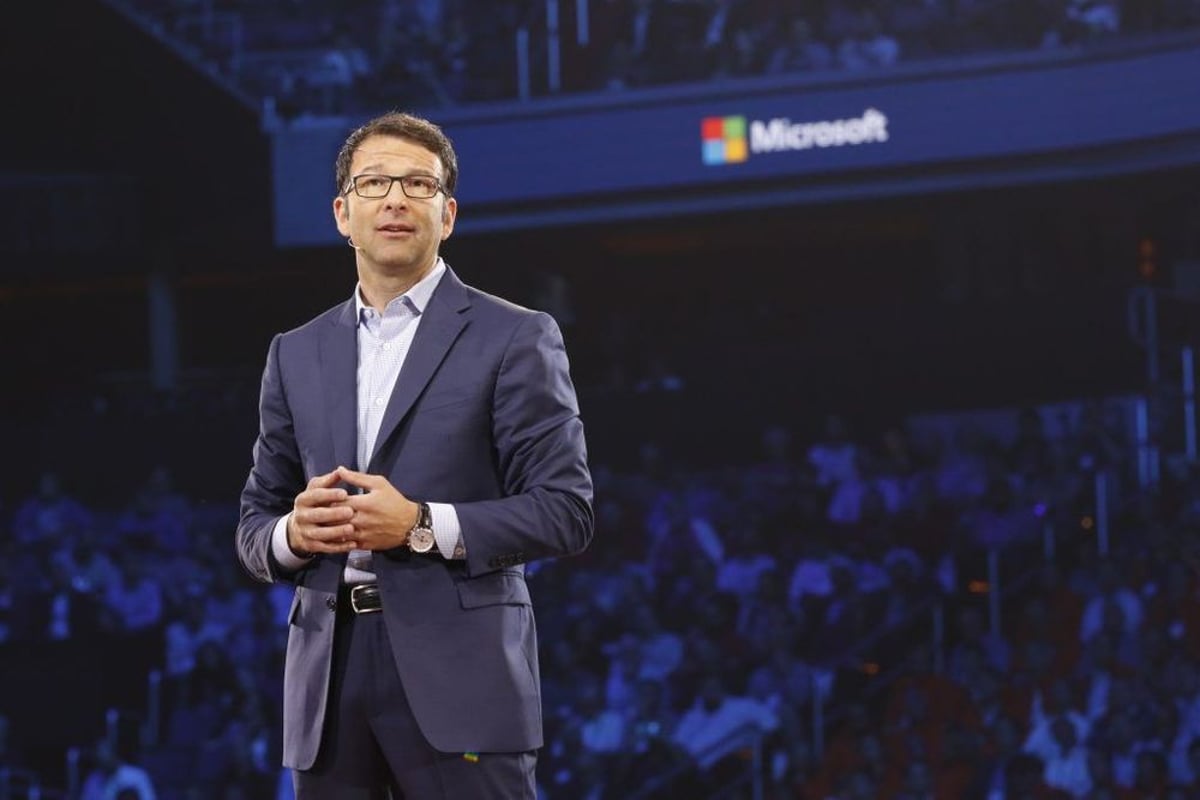
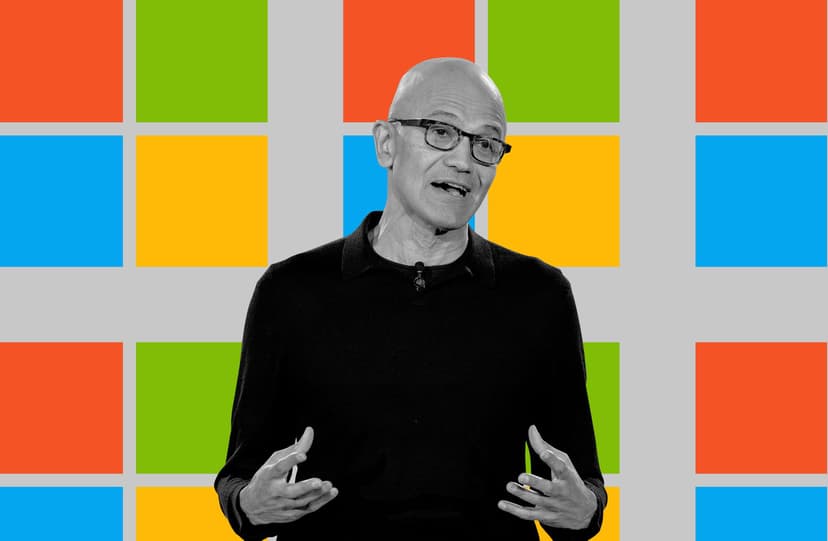
Microsoft just made its biggest leadership move since the AI boom began. Satya Nadella is promoting Judson Althoff, the company's nine-year sales chief, to CEO of Microsoft's entire commercial business - the division that generates most of the company's revenue from enterprise customers. The restructuring comes as Nadella calls the current moment a "tectonic AI platform shift" that demands Microsoft reinvent how it operates.
Microsoft just shuffled its executive deck in the most significant way since the AI race heated up. Satya Nadella announced today he's promoting Judson Althoff from executive vice president to CEO of Microsoft's commercial business, putting him in charge of the company's most important money-making engine.
The timing isn't coincidental. In an internal memo obtained by The Verge, Nadella described the current environment as a "tectonic AI platform shift" that requires Microsoft to "both manage and grow our at-scale commercial business today, while building the new frontier."
Althoff has been Microsoft's global sales leader for nearly a decade, architecting what Nadella calls the company's "most important growth engine." His Microsoft Customer and Partner Solutions (MCAPS) division has become what Nadella describes as "the number one seed in the industry." Now he's getting expanded control over the operations and marketing teams that help sell Microsoft's cloud services, productivity software, and AI tools to businesses worldwide.
"By bringing operations into the commercial business, we can tighten the feedback loop between what customers need and how we deliver and support them," Nadella explained in his memo. Marketing chief Takeshi Numoto will now report directly to Althoff as CMO, though he'll maintain a dual reporting relationship with Nadella on broader strategic initiatives.
This isn't Microsoft's first experiment with divisional CEOs. Phil Spencer has been running Microsoft Gaming as CEO, while the company brought in Mustafa Suleyman earlier this year as Microsoft AI CEO. The pattern suggests Nadella is distributing operational leadership while keeping strategic control - though the GitHub CEO position notably disappeared after Thomas Dohmke's resignation over the summer.
But Althoff's promotion feels different. He's now overseeing the primary way Microsoft generates revenue from enterprise customers - the businesses paying for Office 365, Azure cloud services, and increasingly, AI-powered productivity tools like Copilot. It's the kind of role that in another company might signal succession planning.
Nadella seems aware of that perception. "This isn't a sign he plans to step down anytime soon," sources familiar with the reorganization suggest. Instead, it appears designed to free up Nadella for what he calls his "highest ambition technical work."
"This will also allow our engineering leaders and me to be laser focused on our highest ambition technical work - across our datacenter buildout, systems architecture, AI science, and product innovation," Nadella wrote. "Each one of us needs to be at our very best in terms of rapidly learning new skills, adopting new ways to work, and staying close to the metal to drive innovation across the entire stack."
The reorganization comes as Microsoft faces intensifying competition in AI from OpenAI, Google, and Amazon. While Microsoft's early ChatGPT partnership gave it a head start, maintaining that lead requires constant technical innovation - exactly the kind of work Nadella wants to focus on personally.
Wall Street has noticed Microsoft's AI momentum. The company's stock has surged over 60% in the past year, driven largely by enterprise AI adoption and Azure's continued growth. Giving Althoff formal CEO authority over commercial operations could help maintain that momentum while Nadella focuses on the next wave of AI capabilities.
"This isn't just evolution, it's reinvention," Nadella concluded his memo. "For each of us professionally and for Microsoft." The question now is whether this reorganization positions Microsoft to stay ahead in what everyone agrees is a generational technology shift, or whether it's the first step in a longer leadership transition that Nadella isn't ready to discuss publicly yet.
This reorganization represents more than typical corporate reshuffling - it's Microsoft's attempt to optimize for a future where AI capabilities determine market leadership. By putting Althoff in charge of commercial operations while freeing Nadella to focus on technical innovation, Microsoft is betting it can maintain its enterprise AI advantage. The success of this strategy will likely determine whether Microsoft stays ahead in the AI race or gets caught by rivals who are moving just as aggressively to capture the enterprise market.