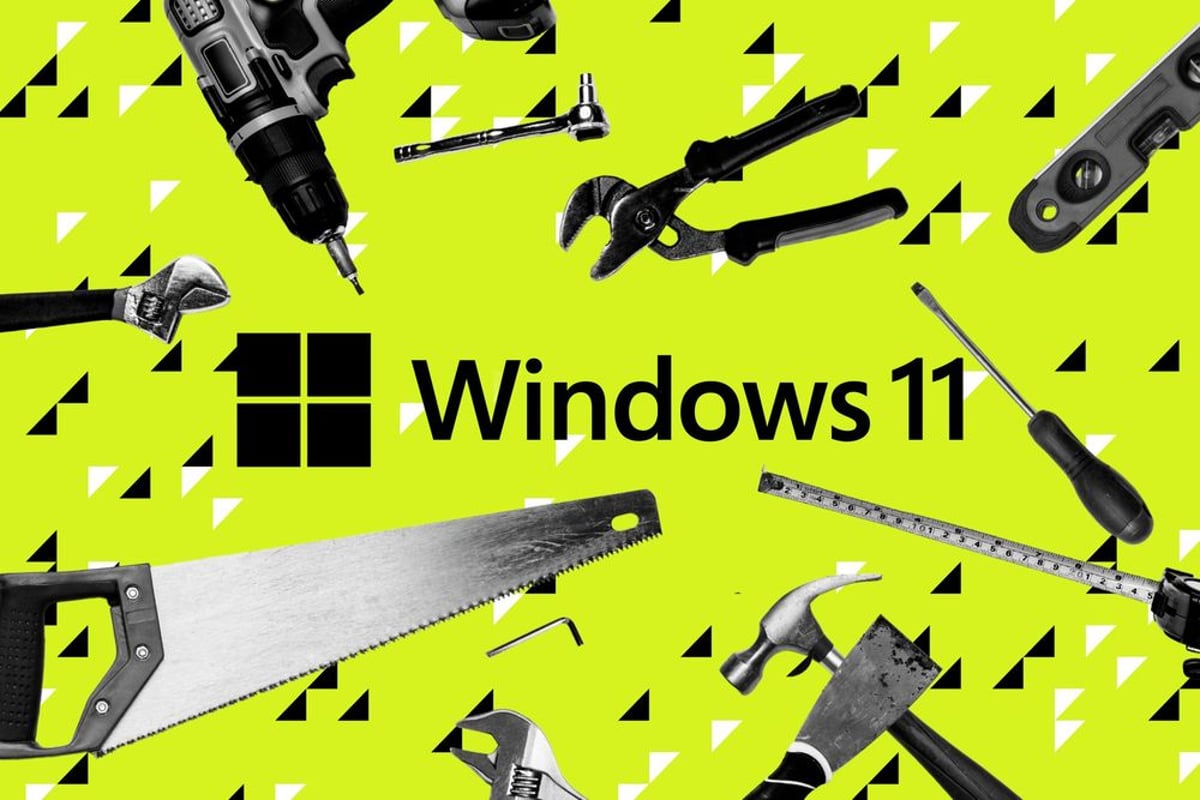
Microsoft is throwing everything at Windows 11's spiraling quality crisis. Sources tell The Verge the company's redirecting engineers in an urgent process called "swarming" to fix performance and reliability issues that have pushed the operating system to breaking point. After months of buggy updates, intrusive ads, and AI features nobody asked for, Windows chief Pavan Davuluri admitted the feedback is crystal clear: "We need to improve Windows in ways that are meaningful for people."
Microsoft just admitted what Windows 11 users have been screaming for months: the operating system is broken, and the company knows it. In a rare acknowledgment of systemic problems, Windows and devices president Pavan Davuluri told The Verge that engineers are now "swarming" to fix core reliability issues that have eroded user trust over the past year.
The situation hit a breaking point in January when Microsoft's first Windows 11 update of 2026 turned into a disaster. Shutdown failures forced an unusual emergency out-of-band patch, followed by a second emergency fix days later for OneDrive and Dropbox crashes. Then came confirmation that business PCs were failing to boot entirely after the January update left machines in an "improper state" from December's botched rollout, according to Microsoft's own advisory.
It's the culmination of a brutal 12 months. Microsoft spent months fixing Remote Desktop disconnection issues, shipped an update that wiped out Copilot, released patches that duplicated Task Manager, and created a nasty system recovery bug. The company even broke its own dark mode improvements with a white screen flash bug in File Explorer.
"The feedback we're receiving from our community of passionate customers and Windows Insiders has been clear," Davuluri said in a statement. "We need to improve Windows in ways that are meaningful for people. This year you will see us focus on addressing pain points we hear consistently from customers: improving system performance, reliability, and the overall experience of Windows."
But the technical debt isn't Microsoft's only problem. Windows 11 has become genuinely annoying to use. The company's deployed malware-like pop-ups pushing users toward Edge and Bing, even when Chrome or Firefox is set as default. Search the Start menu and you'll get shunted into Edge for Bing results regardless of your browser choice. Parts of Settings force you into Edge. OneDrive nags became so aggressive that at one point you couldn't even close the app without explaining why.
Microsoft has also made local accounts increasingly difficult to create, forcing most users into Microsoft accounts during Windows 11 setup through constant workaround removal. It's death by a thousand cuts, each one chipping away at the goodwill Microsoft CEO Satya Nadella promised to rebuild over a decade ago. "We want to move from people needing Windows to choosing Windows, to loving Windows," Nadella said before Windows 10's launch. That vision feels further away than ever.
The AI push has made things worse. Microsoft's Copilot appears everywhere now - Edge has a Copilot mode, dedicated Copilot apps come preinstalled, and it's coming to the taskbar. Even Paint and Notepad, once beautifully simple apps, now have Copilot buttons. Paint's getting AI coloring books. The problem? There aren't enough useful AI features to make anyone care about AI PCs, and the aggressive integration reads as desperate.
Recall became the perfect symbol of Microsoft's trust crisis. The controversial Windows 11 feature takes snapshots of everything on your screen, immediately generating privacy concerns on top of existing suspicions about telemetry data collection. Combined with restrictive system requirements that left millions of machines unsupported, Microsoft's created an environment where users assume the worst about every new feature.
The company's not helping itself with security incidents either. Microsoft complied with an FBI warrant last year by handing over BitLocker encryption keys for three laptops, possible because the machines stored recovery keys in Microsoft's cloud - a default setting when signing in with a Microsoft account. Austria's data protection authority ruled Microsoft illegally installed tracking cookies on school devices using Microsoft 365 Education.
Windows 11 has technically succeeded by traditional metrics. Microsoft revealed this week the OS reached one billion users faster than Windows 10, likely accelerated by Windows 10's approaching end of support. But growth numbers mask a deeper problem: enthusiasm for Windows has evaporated. The Windows Insider program, created after Windows 8's disaster to rebuild community trust, now feels "faceless" according to The Verge's reporting, with core team members recently moving to different roles.
Microsoft's commitment to fixes will need to address basic embarrassments - like the fact that Linux sometimes runs Windows games better than Windows itself. The company promises improvements to File Explorer performance, driver stability, and long-neglected UI elements. But the real test is whether Microsoft can resist its worst impulses around ads, forced defaults, and half-baked AI integration.
"Trust is earned over time and we are committed to building it back with the Windows community," Davuluri said. With Windows users now seriously contemplating Linux, Microsoft's running out of time to prove it.
Microsoft's at a crossroads with Windows 11. The billion-user milestone means nothing if those users are actively fighting the operating system daily. Swarming engineers to fix bugs is necessary but insufficient - the company needs to fundamentally rethink its approach to defaults, advertising, and AI integration. With Linux becoming a genuine alternative for frustrated Windows users and enterprise customers dealing with boot failures from buggy updates, Microsoft's window to rebuild trust is closing fast. The question isn't whether Windows 11 can hit quality benchmarks, but whether Microsoft can remember that an operating system should get out of the user's way, not constantly demand attention.