Microsoft just threw a curveball at Build 2026. The company unveiled Project Solara, an Android-based operating system built specifically for AI agent-powered gadgets - not Windows. It's a bold signal that Microsoft's betting big on a new category of ambient AI devices that live beyond traditional computing form factors. The move puts Microsoft in direct competition with Amazon's Echo ecosystem while opening the door for hardware partners to build AI-first devices that don't need a full desktop OS.
Microsoft just made its most surprising hardware play in years. At Build 2026, the company unveiled Project Solara, an entirely new operating system designed from scratch for AI agent gadgets. But here's the kicker - it's built on Android, not Windows.
The announcement signals a major strategic shift for Microsoft, acknowledging that the future of AI agents doesn't necessarily live on traditional PCs. Instead, the company's betting on a constellation of specialized devices that make AI accessible in ambient, contextual ways throughout your day. "A new platform built from the ground up to power agent-driven experiences," Microsoft called it in its official announcement.
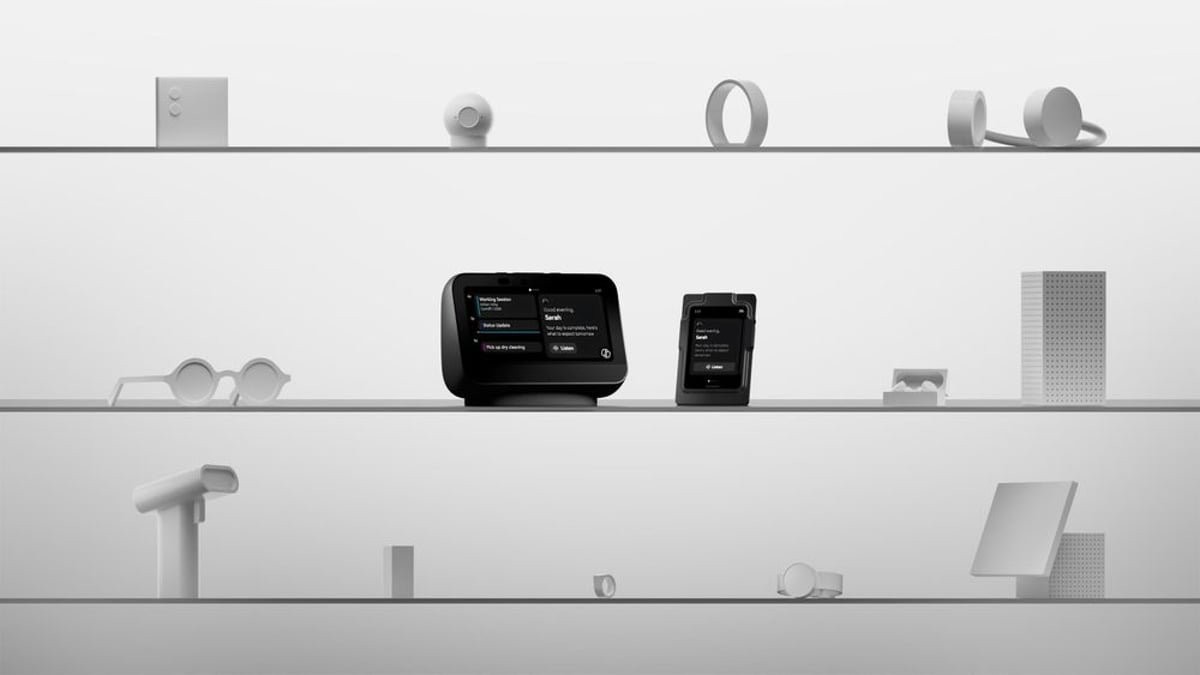
Microsoft demonstrated two concept devices at Build to show what Project Solara can do. The desk concept looks strikingly similar to Amazon's Echo Show - a smart display that sits on your workspace and unlocks with facial recognition. Once authenticated, it provides direct access to AI agents that can handle tasks, answer questions, and manage workflows without needing to open a laptop.
The second concept is more intriguing. The badge concept reimagines the standard workplace security badge as an AI interface. It packs a camera and fingerprint scanner into a wearable form factor, letting employees wake AI agents with a touch. Think of it as your AI assistant that clips to your shirt and follows you around the office, ready to help whether you're in a conference room or walking the factory floor.
By choosing Android as the foundation, Microsoft gains access to a mature mobile ecosystem with broad hardware support and familiar development tools. It's a pragmatic choice that echoes how Amazon built Fire OS on Android for its tablets and smart displays. Microsoft doesn't need to reinvent the wheel for touch interfaces, battery management, and connectivity - it can focus on the AI agent experience layer.
The move also reveals Microsoft's thinking about the AI hardware landscape. Windows remains essential for productivity and development work, but these ambient AI devices need something lighter and more specialized. Project Solara devices won't replace your PC - they'll complement it, providing AI access in contexts where pulling out a laptop doesn't make sense.
For enterprise customers, the badge concept could be transformative. Warehouse workers, healthcare professionals, retail associates, and field technicians all need AI assistance but can't constantly reference a screen. A wearable badge that responds to voice commands and can capture images for AI analysis fits naturally into these workflows.
The timing matters too. As AI agents become more capable and autonomous, the interface paradigm is shifting from apps and windows to ambient computing. Google has been exploring this with Nest devices, Amazon pioneered it with Alexa-powered hardware, and Apple is rumored to be working on AI-focused devices beyond the iPhone. Microsoft's now officially in the race.
Project Solara also opens opportunities for hardware partners. By providing an OS specifically designed for AI agent gadgets, Microsoft enables manufacturers to build specialized devices without developing their own software stack. Expect to see conference room displays, kiosks, industrial terminals, and hospitality devices running Project Solara as the platform matures.
What we don't know yet is the business model. Will Microsoft license Project Solara to hardware makers like it does Windows? Will it tie closely to Azure AI services and Microsoft 365 subscriptions? The answers will determine whether Project Solara becomes a platform or just another concept that fades away.
The devices shown at Build are concepts, not shipping products. Microsoft didn't announce availability dates or partner hardware manufacturers. But the fact that the company developed a working OS and built prototype devices shows serious commitment to this vision of AI's hardware future.
Project Solara represents Microsoft's recognition that AI's hardware future won't look like today's PCs and phones. By building an Android-based OS specifically for ambient AI devices, Microsoft is positioning itself to power the next generation of contextual computing - from smart displays on every desk to wearable badges that make AI truly ubiquitous in the workplace. Whether it becomes a platform that spawns an ecosystem or remains a niche experiment depends on execution and partner adoption. But one thing's clear: Microsoft's no longer content to let Amazon and Google define what AI hardware looks like.