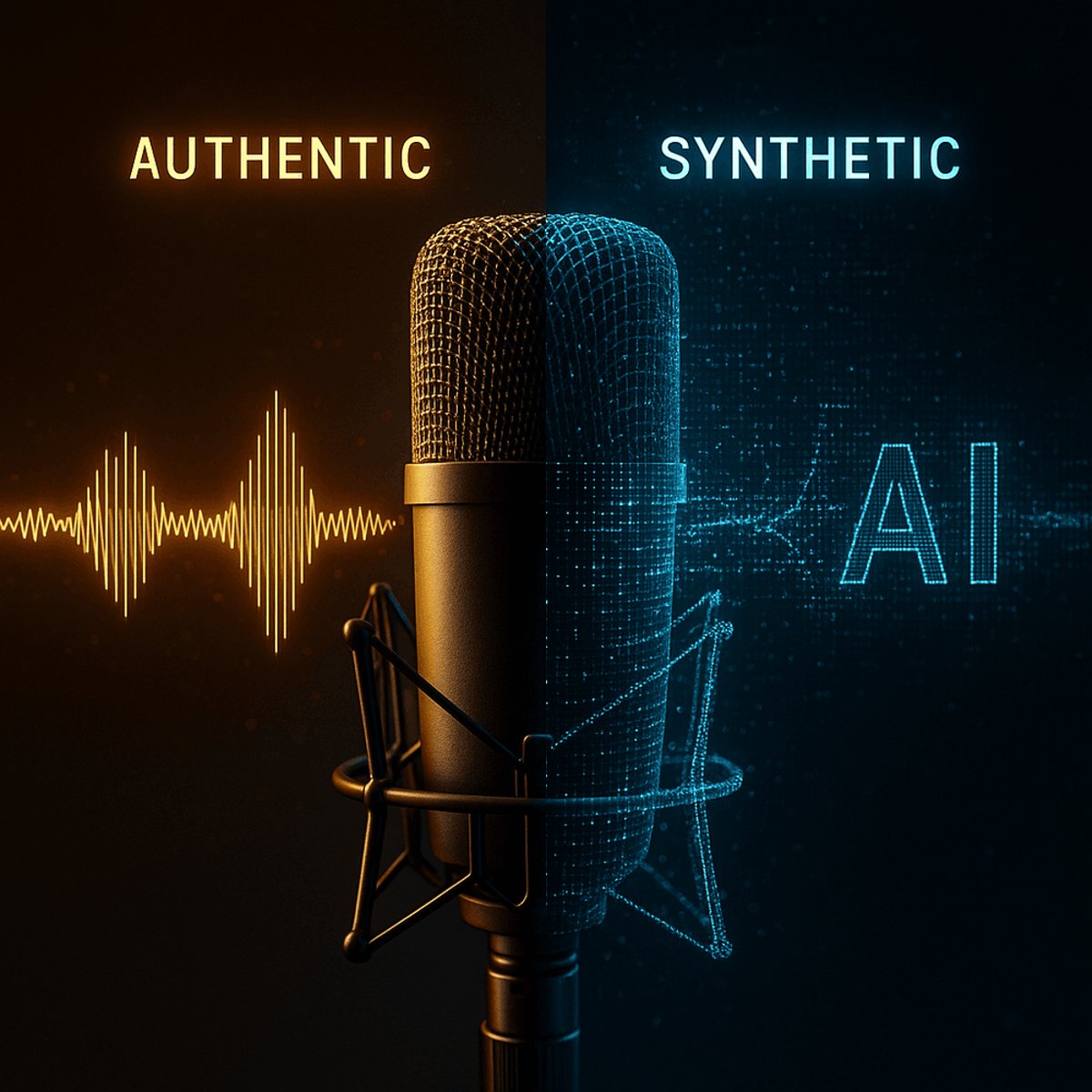
David Greene, the familiar voice of NPR's Morning Edition for over a decade, just filed a lawsuit against Google alleging the tech giant cloned his distinctive broadcasting style for its NotebookLM AI tool without permission or compensation. The case could set a major precedent for voice rights in the AI era, as synthetic media tools increasingly blur the line between human and machine-generated content. Greene's legal action lands as the industry grapples with mounting questions about whose voices - and likeness - AI companies can legally harvest.
Google is facing a high-profile legal challenge that cuts to the heart of AI ethics and intellectual property. David Greene, who spent years as the trusted morning voice for millions of NPR listeners, filed suit alleging the company's NotebookLM tool uses an AI-generated voice that sounds suspiciously like him - without ever asking permission or offering payment.
The timing couldn't be more pointed. NotebookLM, which Google launched as an AI research assistant, gained viral attention for its Audio Overview feature that converts uploaded documents into surprisingly natural-sounding podcast conversations. Users quickly noticed the male voice's professional broadcasting quality, warm delivery, and conversational cadence - traits Greene honed over more than a decade at NPR's flagship morning program.
According to sources familiar with the complaint, Greene alleges Google trained its AI models on publicly available audio, potentially including his extensive NPR archive, to create a synthetic voice that mimics his distinctive style. The lawsuit reportedly seeks damages and an injunction preventing further use of the voice in question.
Google hasn't publicly commented on the specific allegations, but the company has previously stated that its AI audio features use synthetic voices created through machine learning. The question at the lawsuit's core - can your voice be considered intellectual property when an AI learns to imitate it - remains largely untested in courts.
The case arrives as synthetic voice technology reaches an inflection point. OpenAI faced similar scrutiny last year when actress Scarlett Johansson claimed the company's "Sky" voice in ChatGPT sounded remarkably like her, despite her declining to participate. OpenAI ultimately pulled the voice, but no lawsuit materialized. Greene's legal action could force courts to draw clearer boundaries.
Voice actors and performers have watched these developments with growing alarm. Unlike written content, where attribution and fair use doctrines provide some guidance, voice rights occupy murkier legal territory. California passed legislation in 2024 aimed at protecting digital replicas of performers, but federal law hasn't caught up to the technology's rapid advancement.
NotebookLM has become one of Google's more successful AI experiments, particularly in education and research circles. Students and professionals use it to transform lengthy documents into digestible audio summaries they can listen to while commuting or exercising. The tool's podcast-style format, complete with two conversational hosts who banter and explain concepts, makes dense material feel accessible.
But that accessibility comes with complications. If Greene prevails, Google might need to redesign the feature entirely - or establish compensation frameworks for voice rights. The precedent could ripple across the industry, affecting everyone from Meta to Amazon as they develop their own AI voice products.
Greene left NPR's Morning Edition in 2020 after 13 years as co-host, a tenure that made his voice instantly recognizable to public radio's loyal audience. His lawsuit suggests that recognition has commercial value Google allegedly exploited without permission.
The legal battle also highlights a broader tension in AI development. Tech companies argue they need access to vast amounts of data - including voices, images, and text - to train effective models. Creators counter that their work and likenesses shouldn't fuel billion-dollar tools without consent or compensation. Courts are just beginning to sort out where the balance lies.
Greene's lawsuit against Google represents more than one broadcaster protecting his voice - it's a test case for how AI companies can use human attributes in their products. If courts side with Greene, tech giants may need to rethink their entire approach to synthetic media, potentially requiring licensing agreements with voice talent or developing entirely artificial personas that don't mimic real people. For now, every NotebookLM user might be listening to the opening salvo in a legal battle that could reshape AI development for years to come. The outcome will likely influence how companies like OpenAI, Meta, and others approach voice synthesis, and whether your voice - once released into the world through broadcasts, videos, or podcasts - remains truly yours in the age of AI.