A federal judge just delivered a mixed victory for Meta's WhatsApp in its six-year legal battle against Israeli spyware maker NSO Group. While the court granted a permanent injunction blocking NSO from ever targeting WhatsApp users again, it dramatically slashed the company's damages payment from $167 million to just $4 million - a 97% reduction that highlights the complex legal terrain surrounding cybersecurity enforcement.
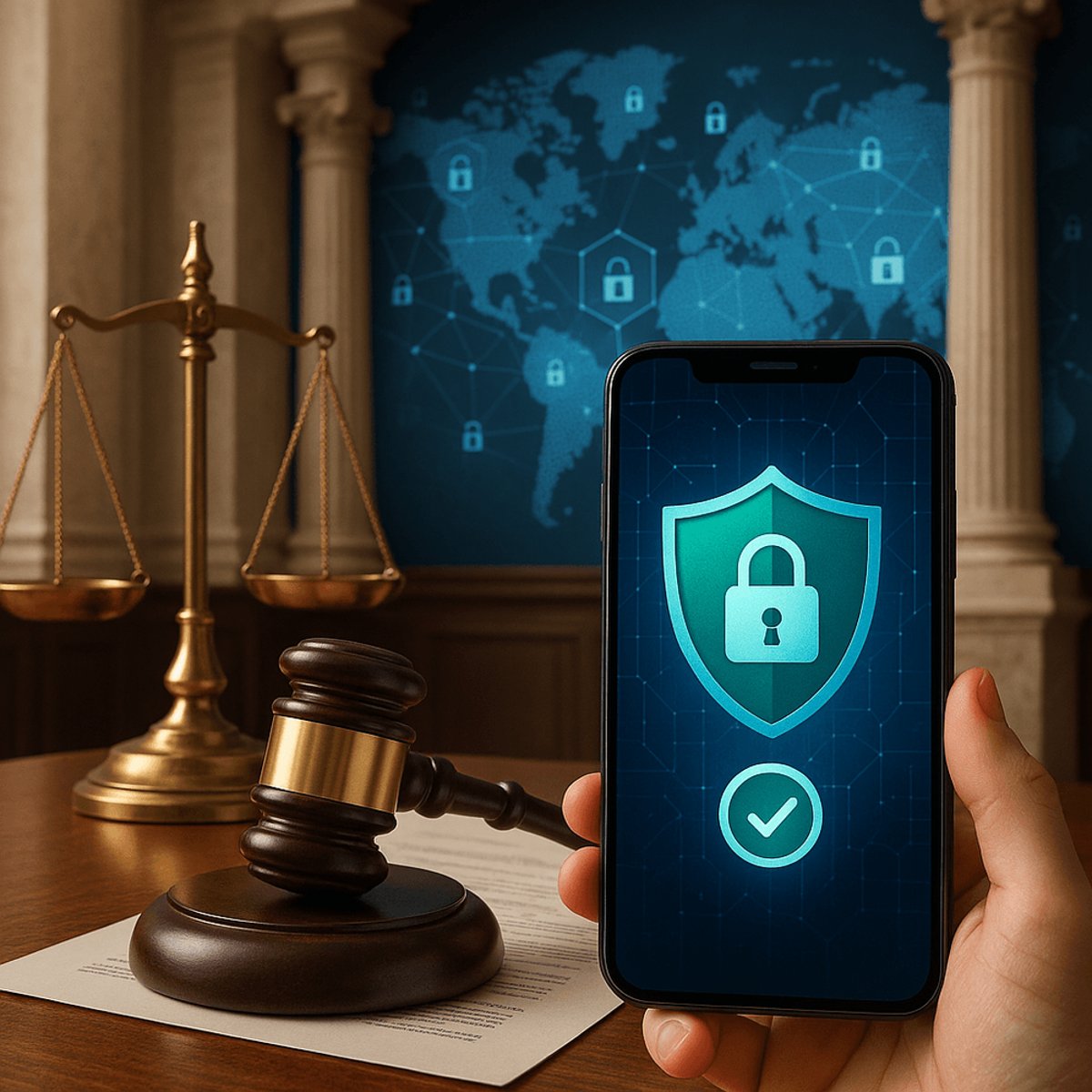
The gavel came down Friday in what Meta is calling a long-overdue victory against one of the world's most controversial spyware companies. U.S. District Judge Phyllis Hamilton's ruling permanently bars NSO Group from targeting WhatsApp users - but the financial penalty tells a different story about how courts handle cybersecurity violations.
The case traces back to 2019, when NSO Group's Pegasus spyware infiltrated more than 1,400 WhatsApp accounts worldwide. The targets weren't random - they included human rights activists, journalists, and civil society leaders across multiple continents. Meta sued NSO Group that same year, kicking off a legal marathon that would test the boundaries of accountability in the spyware industry.
Earlier this year, a jury sided decisively with WhatsApp, awarding $167 million in damages according to TechCrunch reporting. That figure reflected both compensatory damages and a hefty punitive component designed to deter future violations. But Judge Hamilton's Friday ruling reveals how differently courts can interpret the same evidence.
The judge capped punitive damages at a 9-to-1 ratio because the court "did not have enough evidence to determine that NSO Group's behavior was 'particularly egregious,'" according to court documents filed Friday. That legal standard - requiring proof of particularly egregious conduct for higher punitive ratios - effectively reduced NSO's payment to around $4 million.
The dramatic reduction highlights a persistent challenge in cybersecurity litigation: proving intent and egregiousness when dealing with companies that operate in legal gray areas. NSO Group has long maintained that its tools are designed for legitimate government surveillance of criminals and terrorists, not civil society targeting.
"We applaud this decision that comes after six years of litigation to hold NSO accountable for targeting members of civil society," WhatsApp Head Will Cathcart told Courthouse News Service. His statement emphasizes the injunction over the reduced damages, framing the outcome as a protection victory rather than a financial one.
The timing couldn't be more significant. NSO Group recently confirmed it's being acquired by U.S. investors according to recent TechCrunch coverage, potentially bringing the controversial Israeli company under American oversight. The permanent injunction creates immediate constraints on any future WhatsApp targeting, regardless of ownership changes.
For Meta, the ruling represents both vindication and frustration. The company successfully established legal precedent that spyware makers can be held accountable for platform infiltration, but the financial deterrent fell far short of expectations. The $4 million payment likely represents a fraction of NSO Group's annual revenue from government contracts.
Industry observers note that the case sets important boundaries for the global spyware market. The permanent injunction essentially creates a no-fly zone around WhatsApp's 2 billion users, forcing NSO Group and similar companies to find alternative targets or methods. But whether other courts will follow Hamilton's restrained approach to damages remains an open question.
The broader implications extend beyond this single case. As governments worldwide grapple with regulating surveillance technology, the WhatsApp v. NSO precedent offers both a roadmap and a cautionary tale about the limits of civil litigation in addressing state-sponsored cyber operations.
The WhatsApp v. NSO Group ruling creates a fascinating precedent in cybersecurity law - strong on protection, lenient on punishment. While the permanent injunction shields WhatsApp's massive user base from future NSO targeting, the drastically reduced damages suggest courts remain cautious about imposing severe financial penalties without clear evidence of malicious intent. As NSO Group transitions to U.S. ownership, this case becomes a template for how tech platforms might defend themselves against state-aligned spyware companies, even if the financial deterrent proves weaker than hoped.