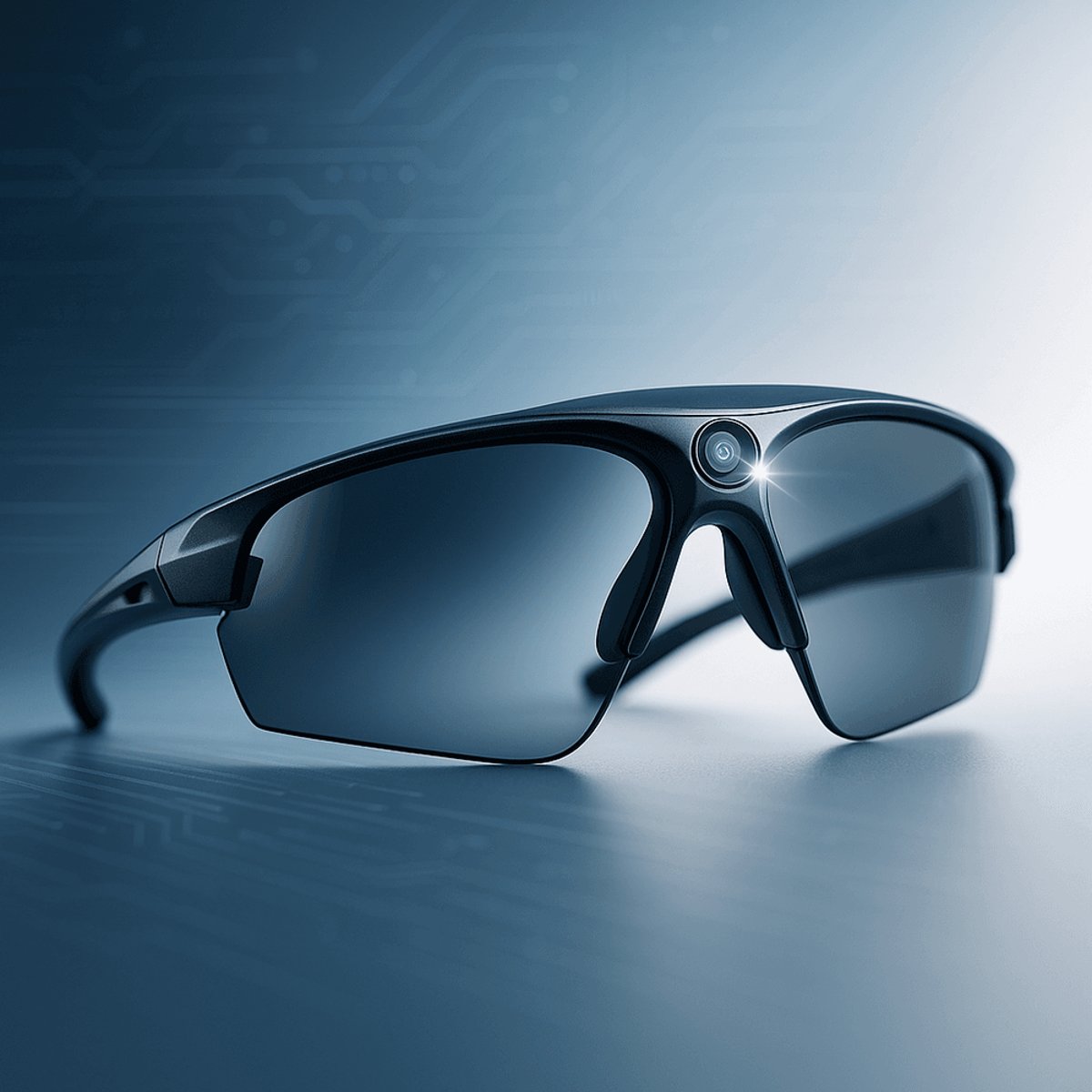
Meta just launched something that could finally kill the action camera market. The new Oakley Meta Vanguard smart glasses promise hands-free recording for athletes and content creators, with the camera perfectly positioned on your nose bridge to eliminate the fisheye distortion that plagued earlier models. After a week of testing in Portland's perfect weather, it's clear these glasses are targeting everyone who's ever struggled with GoPro straps and mounts.
Meta is making its boldest play yet for the action camera market, and it might just work. The company's latest collaboration with Oakley has produced the Vanguard smart glasses - a device that promises to end the decade-long struggle of mounting cameras to helmets, handlebars, and chest straps.
The breakthrough comes from repositioning the camera directly on the nose bridge rather than the side temple like the original Ray-Ban Meta Wayfarers. This seemingly simple change eliminates the fisheye distortion that made earlier smart glasses feel like novelty gadgets rather than serious recording tools. For content creators documenting mountain bike rides or hiking expeditions, this could be game-changing.
Wired reviewer Adrienne So spent a week testing the Vanguard across Portland's outdoor scene, capturing everything from bike rides to urban exploration. The experience revealed a device that finally delivers on the promise of effortless action recording. "I do have a GoPro, but when it comes down to the multi-layered process of testing and writing about a product, I tend to neglect the video part," So explained in her review.
That's exactly the friction Meta is trying to eliminate. The Vanguard targets what the company calls "camera procrastinators" - athletes and outdoor enthusiasts who own recording equipment but rarely use it due to setup hassle. By integrating everything into glasses you're already wearing, the barrier to capturing content drops to zero.
The hardware reflects this focus on active use. While the Vanguard weighs 66 grams compared to 30 grams for regular Oakley Sphaera glasses, the additional bulk houses a camera, speakers, and processing hardware. The weight penalty is significant - 120% heavier than standard sunglasses - but testers found them comfortable during extended rides.
Meta has also embedded Garmin integration specifically for fitness tracking and social media creation. The feature set clearly targets Instagram Reels creators and fitness influencers who need seamless documentation of their activities. This represents a strategic pivot from the broader consumer market Meta initially targeted with Ray-Ban smart glasses.
The timing could be perfect for Meta to capture market share from traditional action camera makers. GoPro has struggled with declining sales as smartphone cameras improved, while newer entrants like Insta360 focus on 360-degree capture rather than traditional sports recording. The Vanguard sits in between - more capable than phone cameras for action sports, but more convenient than dedicated hardware.
For Oakley, the partnership extends their dominance in sports eyewear into the growing smart glasses category. The Vanguard maintains the wraparound aesthetic that's become synonymous with action sports, ensuring athletes won't sacrifice style for technology. This design continuity could prove crucial for adoption among image-conscious outdoor enthusiasts.
The broader implications extend beyond just replacing action cameras. If smart glasses can seamlessly capture and share content, they could accelerate the shift toward hands-free social media creation. Meta benefits from both hardware sales and increased content flowing into Instagram and Facebook platforms.
Competitors are watching closely. Apple continues developing its own smart glasses project, while Google has repeatedly attempted and abandoned similar initiatives. Snap maintains its Spectacles line but has struggled to move beyond novelty status. The success of the Vanguard could validate or deflate years of industry investment in smart eyewear.
Early user feedback suggests Meta has addressed the key pain points that limited previous smart glasses adoption. The improved camera positioning, athletic styling, and fitness-focused features create a compelling package for the outdoor sports community. Whether that translates to mainstream success remains to be seen.
The Oakley Meta Vanguard represents Meta's most focused attempt yet at cracking the smart glasses market. By targeting action sports enthusiasts rather than general consumers, and solving the specific problem of camera positioning, these glasses could finally deliver on the promise of seamless content creation. The real test will be whether the convenience factor outweighs the 66-gram weight penalty and premium pricing for mainstream outdoor enthusiasts.