OpenAI just signed multiyear partnerships with four of the world's biggest consulting firms - Accenture, Boston Consulting Group, Capgemini, and McKinsey - in a major bet that enterprise AI agents are ready to break out of pilot programs and into real production workflows. The deals mark OpenAI's most aggressive enterprise push yet, enlisting an army of consultants to help corporate clients actually implement AI agents at scale, not just talk about them.
OpenAI is betting that the path to enterprise dominance runs through the consulting giants. The company announced multiyear partnerships with Accenture, Boston Consulting Group, Capgemini, and McKinsey - four firms that collectively touch nearly every Fortune 500 company on the planet. The mission? Get AI agents out of PowerPoint decks and into actual production systems where they can start generating ROI.
This isn't OpenAI's first rodeo with enterprise partnerships, but the scale and scope signal something different. According to CNBC, these consulting firms will work directly with OpenAI's enterprise customers to speed up AI agent implementation. That means helping companies figure out which workflows actually benefit from autonomous AI, integrating agents with legacy systems, and managing the change management nightmares that come with any major enterprise tech rollout.
The timing is critical. While ChatGPT made OpenAI a household name, the company's long-term valuation story depends on enterprise revenue. AI agents - autonomous systems that can handle multi-step tasks without constant human supervision - represent the next frontier beyond simple chatbots. But there's a massive gap between demo day magic and getting these things to work reliably in corporate environments with decades of technical debt.
That's where the consultants come in. Accenture alone employs over 750,000 people globally and has deep relationships with enterprise IT departments. McKinsey and BCG bring strategic credibility with C-suites who control AI budgets. Capgemini specializes in the messy integration work that enterprise AI deployments demand. Together, they create a distribution channel that Microsoft, Google, and Amazon would kill for.
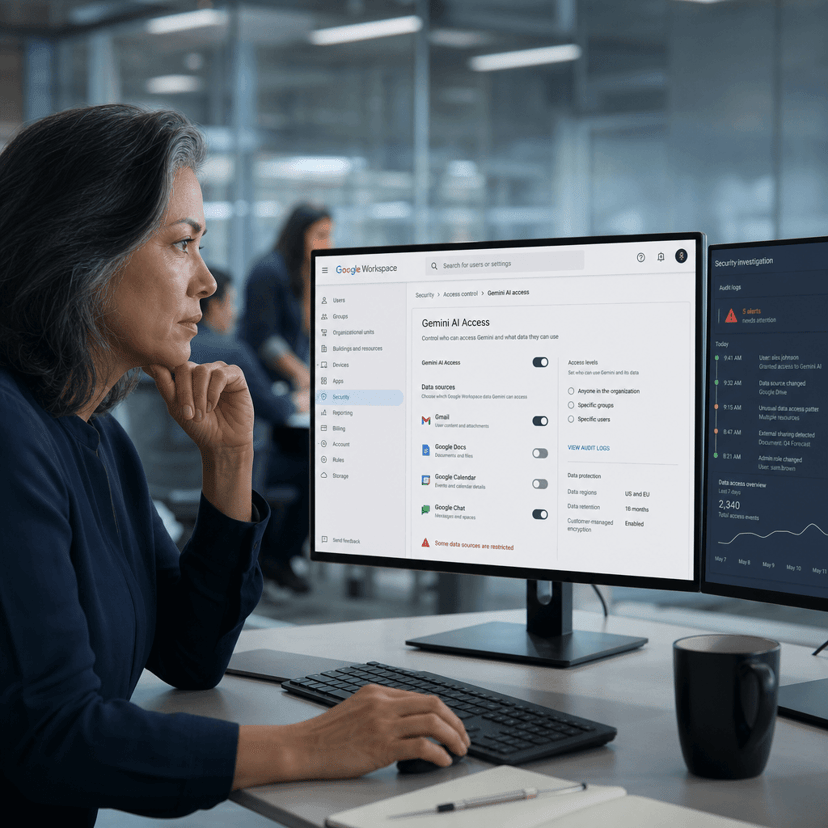
The enterprise AI agent market is heating up fast. Microsoft already has Copilot agents embedded across its Office suite and Azure cloud. Google just unveiled Gemini-powered agents for Google Workspace. Anthropic is pushing Claude for enterprise use cases with a focus on safety and reliability. OpenAI's consulting partnerships give it a different angle - not just selling software, but offering implementation expertise through trusted advisors.
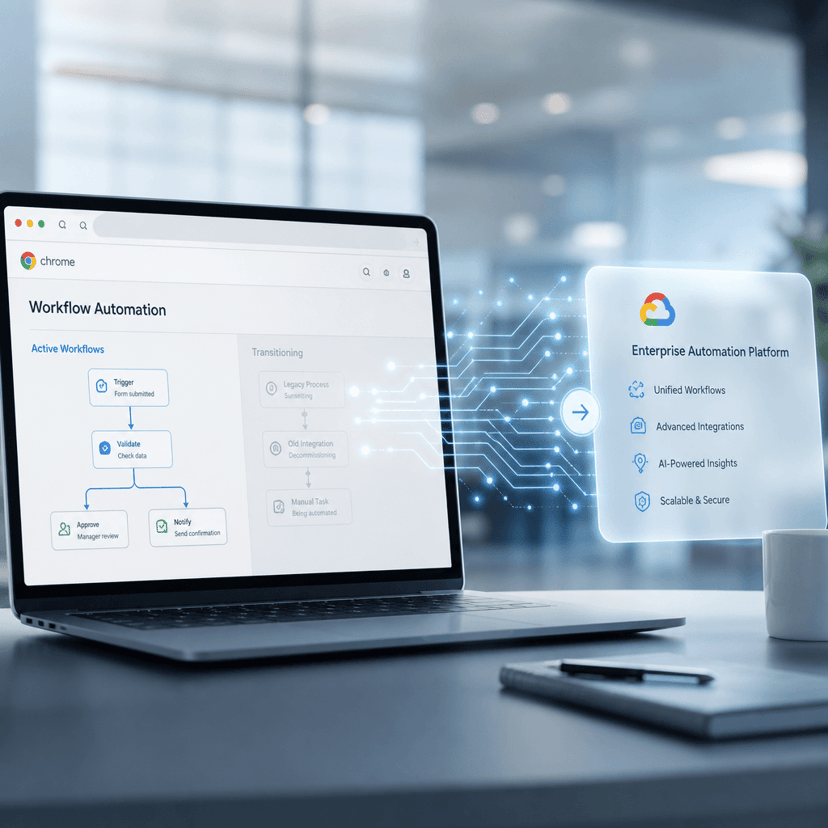
What's really being sold here is speed. Enterprises have spent the past year running AI pilots that mostly go nowhere. The innovation labs love them, but IT departments can't figure out how to deploy them at scale, and business units don't trust them enough to replace existing workflows. The consulting firms specialize in exactly this problem - translating cutting-edge technology into boring, reliable business processes that actually work Monday morning.
There's a financial incentive too. These partnerships likely include revenue-sharing arrangements where consultants get a cut of OpenAI subscriptions they help implement. That aligns incentives - the more successful deployments, the more money everyone makes. It also means OpenAI doesn't have to build a massive enterprise sales and implementation team from scratch, which would burn through capital fast.
The question is whether AI agents are actually ready for prime time. Early enterprise AI deployments have been hit or miss, with agents sometimes hallucinating incorrect information or failing at multi-step reasoning tasks. OpenAI's recent models show improvement, but production environments are unforgiving. One bad AI decision that costs a company money or regulatory trouble could kill adoption momentum fast.
Competitors aren't standing still. Microsoft has its own consulting relationships through partners like Accenture, which also works extensively with Azure AI services. Google Cloud has deep ties with system integrators. The consulting firms themselves are playing all sides - they'll implement whatever AI platform their clients want to pay for. OpenAI's multiyear deals suggest they're trying to lock in mindshare and preferential treatment before the enterprise market fully matures.
OpenAI's consulting partnerships represent a calculated bet that enterprise AI adoption hinges on implementation, not just technology. By enlisting firms that already have relationships with every major corporation, OpenAI is trying to turn AI agents from science projects into revenue-generating tools. The real test comes in the next 12 months as these partnerships either validate that AI agents can handle real production workloads or expose that the technology still isn't ready for enterprise prime time. Either way, the competitive pressure on Microsoft, Google, and Amazon to match these partnerships just went way up.