OpenAI is making its biggest international expansion bet yet, rapidly scaling operations in India after ChatGPT explosive growth made the country its second-largest market. The company is scouting locations for a massive 1-gigawatt data center, opening local offices, and launching India-specific pricing to capture the world's most populous nation.
The numbers tell the story of OpenAI's India obsession. ChatGPT has racked up 111 million downloads in India since launch — more than its 80 million downloads in the U.S., according to Appfigures data. August alone saw downloads spike 308% year-over-year to 10.2 million, leaving competitors like Google's Gemini and Anthropic's Claude in the dust.
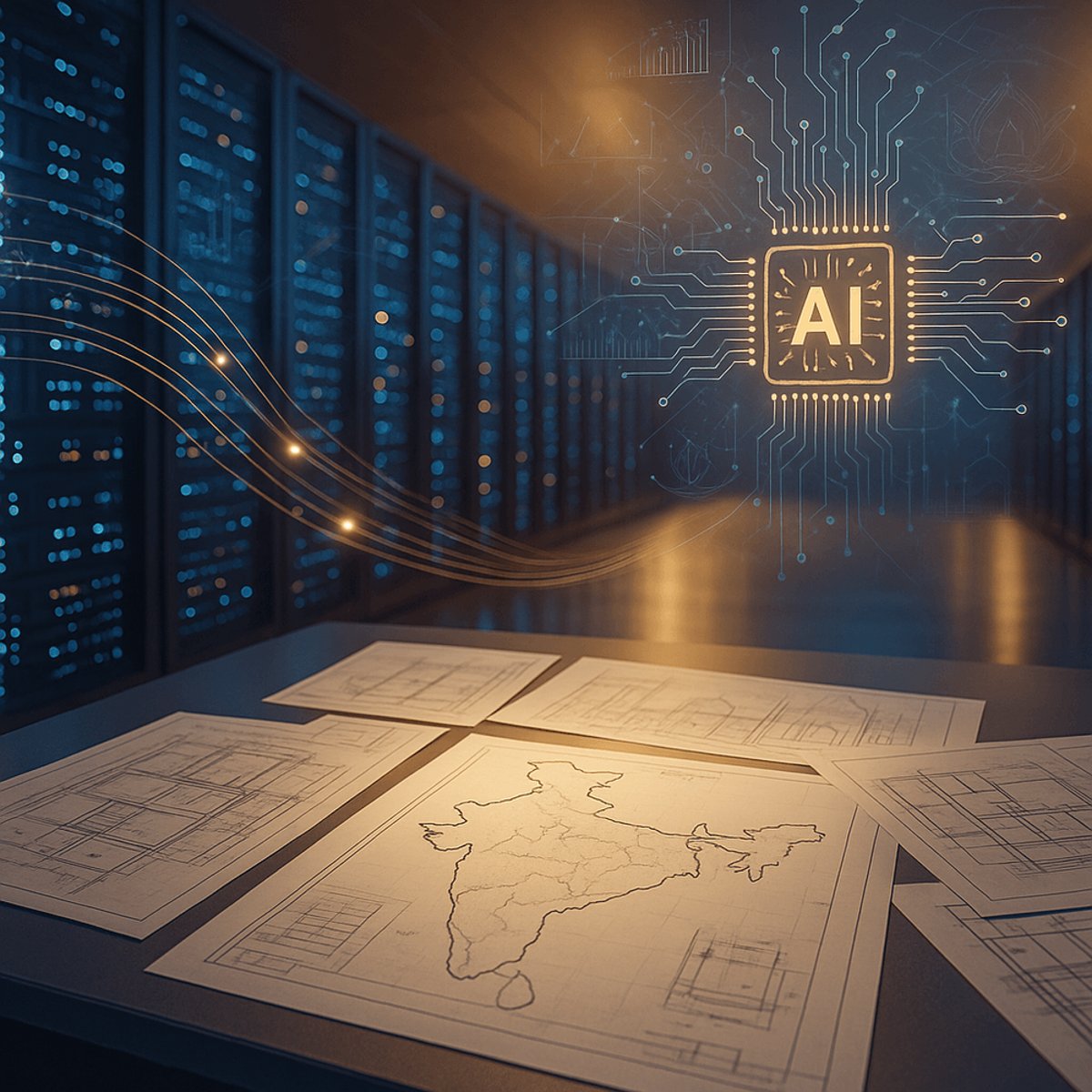
CEO Sam Altman's February visit to meet IT Minister Ashwini Vaishnaw wasn't just diplomatic theater. "India is outpacing the world," Altman posted on X, and the company is backing those words with serious infrastructure investment. Bloomberg reports that OpenAI is scouting locations for a data center with at least 1-gigawatt capacity — enough to power a small city and signal the company's long-term commitment to the region.
But raw user numbers mask a critical challenge: monetization. Indian users have spent just $21.3 million on ChatGPT compared to $784 million from U.S. users, highlighting the price sensitivity that has tripped up American tech giants before. OpenAI's answer arrived in August with ChatGPT Go, a ₹399 ($4.53) monthly plan designed specifically for the Indian market.
"It's a classic wedge strategy to capture a price-sensitive market and build a user base that will be difficult for local players to dislodge later," Nick Patience, practice lead for AI at Futurum Group, told CNBC. The move puts OpenAI in direct competition with domestic startups like Sarvam AI and Krutrim, while also squaring off against Meta and Google for AI dominance in the world's most populous nation.
The hiring spree is already underway. OpenAI announced plans last month to open a local office and is currently advertising three sales roles in India. The company also unveiled an education program providing half a million ChatGPT licenses to educators and students — a move that mirrors the playbook used by Google and Microsoft to build generational loyalty.
Yet OpenAI's India dreams face real obstacles. A legal battle with Asian News International over alleged copyright violations could set crucial precedent for how AI companies operate in the country. The case is being closely watched as India grapples with copyright law in the AI era.
Geopolitical tensions between the U.S. and India over trade add another layer of complexity. "OpenAI's success in India is not guaranteed and depends heavily on its ability to navigate these legal and political hurdles," Patience warned. The company must also tackle India's linguistic diversity and varied user needs — challenges that have historically required deep local partnerships.
The infrastructure investment suggests OpenAI is betting big despite these hurdles. A 1-gigawatt data center would rank among the largest cloud facilities in India, putting the company on par with Amazon's AWS and Microsoft's Azure in terms of regional computing power. The facility would be part of OpenAI's broader Stargate infrastructure initiative, designed to support the massive computing demands of next-generation AI models.
For context, India represents both massive opportunity and test case for U.S. AI companies. The country's 1.4 billion population includes over 600 million internet users, with English proficiency that gives American companies a natural advantage over Chinese competitors. But converting users to paying customers remains the $784 million question — literally, based on the revenue gap between Indian and American users.
OpenAI's India expansion represents the company's most ambitious international play yet, with infrastructure investments and localized pricing signaling serious long-term commitment. Success hinges on navigating copyright challenges, geopolitical tensions, and the fundamental question of whether AI monetization can work at Indian price points. If OpenAI cracks the code, it could cement its position as the global AI leader while unlocking a market of over a billion potential users.