Philips Hue just dropped its biggest product overhaul in years, launching budget Essentials bulbs starting at $15 — less than half the price of flagship models. The Dutch lighting giant also embraced Matter-over-Thread connectivity, directly targeting budget rivals like Govee and Tapo (60-80 words).
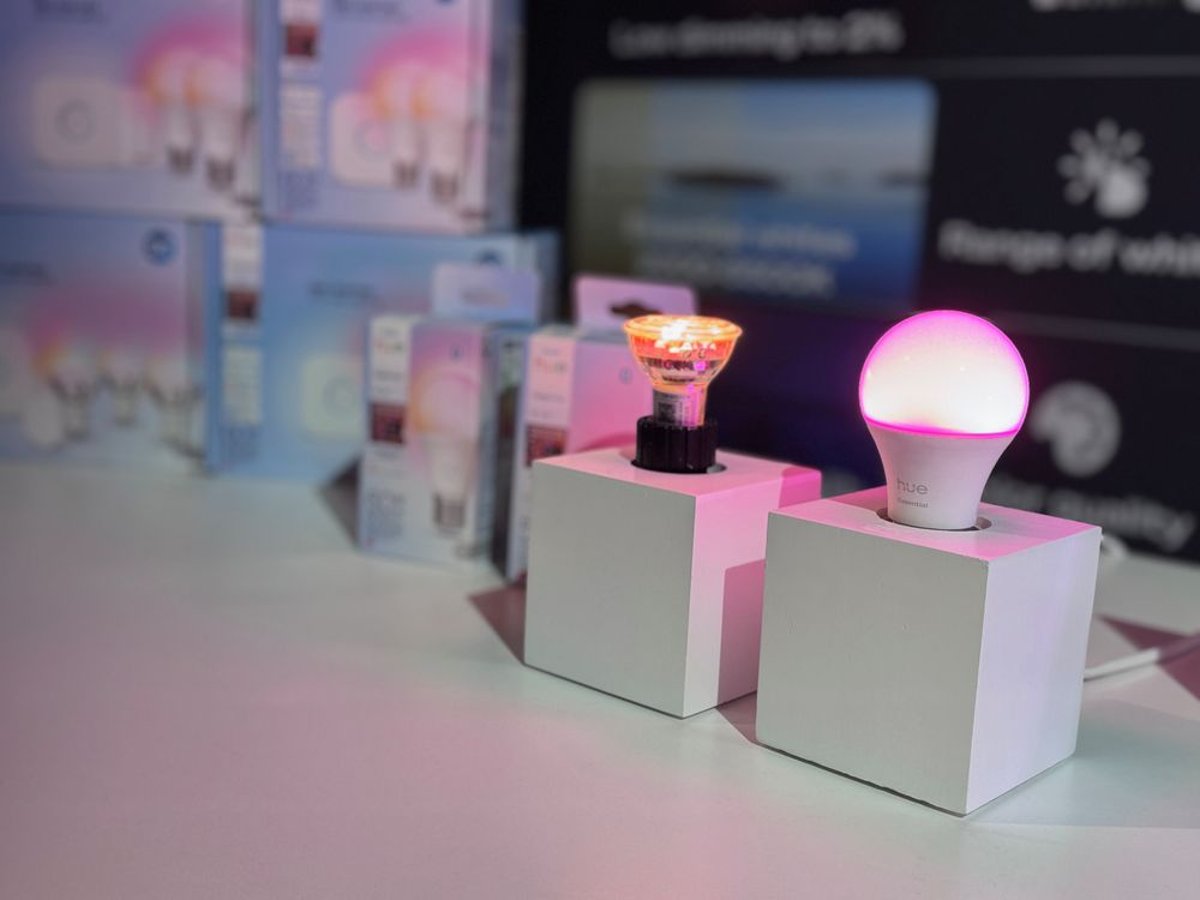
Signify's Philips Hue division just fired its biggest shot yet at budget smart lighting competitors. The company unveiled its most aggressive pricing strategy in years at IFA 2025 in Berlin, launching Essentials bulbs at $25 each or as low as $15 in multipacks — a dramatic departure from the $60 flagship models that built Hue's premium reputation.
The timing couldn't be more pointed. Govee has been eating into Hue's market share with $10 color-changing bulbs, while Nanoleaf and even Signify's own budget brand Wiz have pressured the premium positioning that once seemed unshakeable.
"It's about choice; we want to broaden our price points," Philips Hue CTO and founder George Yianni told The Verge. The admission reveals how competitive pressure has forced even the most premium smart lighting brand to adapt its strategy.
But Hue isn't just cutting costs — it's also making a strategic bet on interoperability. All new bulbs now support Matter-over-Thread, allowing direct pairing with Apple Home, Google Home, and Amazon Alexa without requiring Hue's proprietary bridge. It's a significant shift for a company that built its ecosystem around Zigbee's reliability.
"Thread gives people the choice, as the hardware is not locked to our ecosystem," Yianni explained during the announcement. The move addresses what he calls a major "barrier to entry" — the perceived complexity of bridge setup that budget competitors have exploited.
The Essentials line makes calculated compromises to hit aggressive price points. Unlike flagship models, the budget bulbs dim only to 2 percent brightness versus 0.2 percent on premium versions, consume slightly more energy, and lack guaranteed color matching across product generations. However, they maintain core Hue functionality including voice control integration and the new MotionAware technology that turns any bulb into a motion sensor when paired with the upgraded Bridge Pro ($89.99).
Hue's premium line isn't disappearing — it's being rebranded as ChromaSync to emphasize its precision color reproduction. "If you buy a bulb today and pair it with one you bought 10 years ago, they'll produce the exact color match, which is not something you find on most of our competitors," Yianni noted, defending the quality standards that justify premium pricing.
The light strip category receives equally dramatic updates. The new OmniGlow Strip delivers what Yianni calls "the brightest and best light strip money can buy," reaching 4,500 lumens over 10 meters — twice the brightness of current models. Using high-density LEDs "no bigger than a grain of sand," the strips eliminate the spotty appearance that plagues cheaper alternatives.
Pricing across the strip lineup reflects the same competitive pressure. The new Flux Strip starts at $69.99 for 3 meters compared to $200 for 2 meters on current gradient strips. An Ultra Bright version reaching 6,000 lumens will cost $99.99 — aggressive positioning against Govee's $80 comparable product.
The outdoor expansion tackles categories where competitors have gained early advantages. New neon strips, patio lights, and permanent roofline installations directly challenge areas where Govee and Nanoleaf built significant market presence.
Analysts see the move as validation of the market shift toward accessible smart home technology. The smart lighting market has experienced dramatic commoditization over the past three years, with Chinese manufacturers driving down average selling prices while improving quality. Hue's response suggests even premium brands must adapt to survive.
For existing Hue customers, the changes offer immediate benefits. "The real winners are Hue's existing users — who now won't have to stress over spending $50 on a light bulb just because they might one day want to turn their pantry purple," as The Verge's Jennifer Pattison Tuohy observed.
The strategy represents a calculated risk. By offering budget alternatives, Hue risks cannibalizing premium sales. However, maintaining separate product tiers with distinct feature sets could preserve margin opportunities while expanding market reach.
Philips Hue's aggressive pricing pivot represents more than product updates — it's acknowledgment that the smart lighting landscape has fundamentally shifted. By offering $15 bulbs while maintaining premium ChromaSync technology, Hue attempts to defend market share without abandoning its quality positioning. The Matter-over-Thread adoption removes traditional barriers while preserving Zigbee's advanced features for power users. Whether this strategy successfully counters budget competition while protecting margins will determine if premium smart home brands can adapt to an increasingly commoditized market.