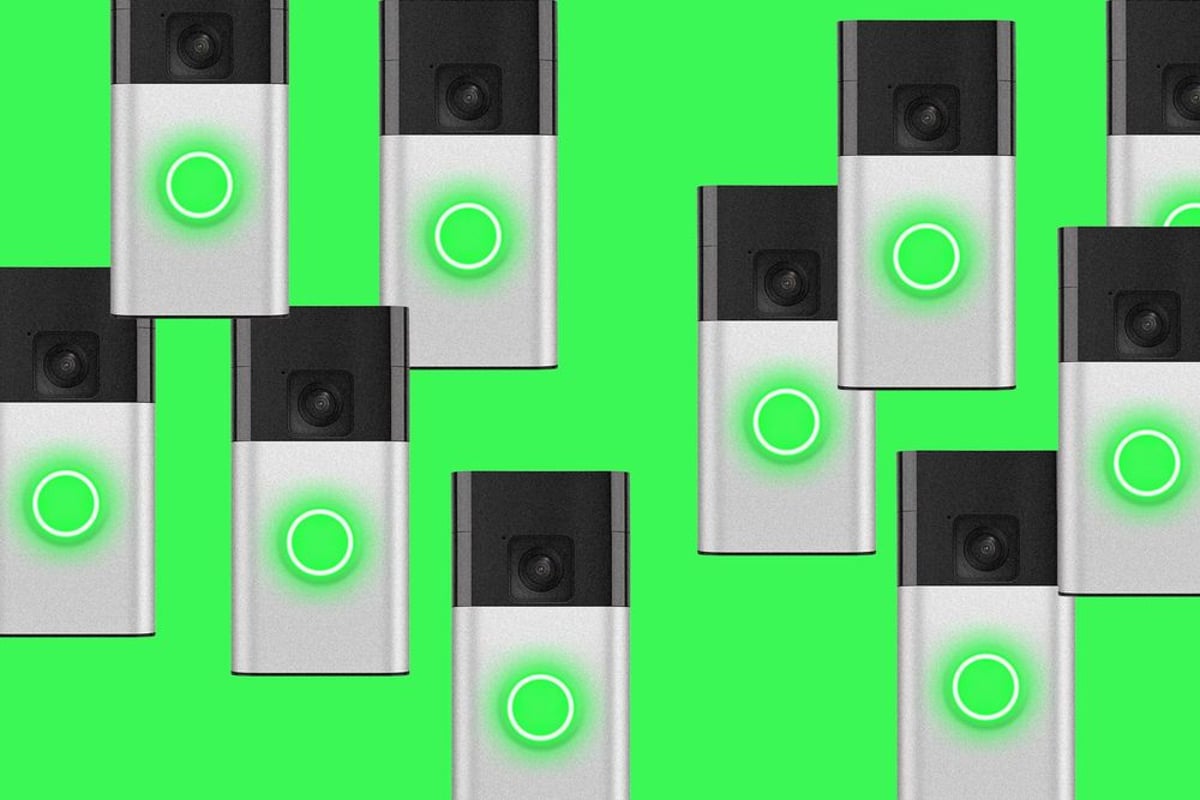
Ring, Amazon's home security subsidiary, is planning to expand its controversial AI-powered Search Party feature far beyond finding lost dogs. According to a leaked internal email obtained by 404 Media, founder Jamie Siminoff told employees last October that the technology could help "zero out crime in neighborhoods." The revelation comes weeks after Ring faced intense backlash over a Super Bowl ad that many viewers found disturbingly Orwellian, raising fresh questions about the boundaries of consumer surveillance technology.
Ring just showed its hand, and it's holding way more than lost puppy posters. The Amazon-owned doorbell camera company has been quietly positioning its Search Party feature as the foundation for neighborhood-wide crime surveillance, according to internal communications that leaked this week.
In an October email sent to all Ring employees, founder Jamie Siminoff didn't mince words about the company's ambitions. "You can now see a future where we are able to zero out crime in neighborhoods," he wrote, according to documents obtained by 404 Media. That's a far cry from the heartwarming "find your lost dog" narrative Ring pushed during its Super Bowl commercial just weeks ago.
The timing of the leak is particularly striking. Ring's February Super Bowl spot sparked immediate controversy, showing how Search Party's AI could trace a dog's movements across multiple Ring cameras in a neighborhood. Privacy advocates and regular viewers alike found the ad unsettling, with many pointing out the obvious implications of tracking technology that doesn't distinguish between pets and people.
Search Party works by letting Ring camera owners search their footage using natural language queries. Want to find "a red sedan" or "person in blue jacket"? The AI scans participating cameras in your neighborhood and surfaces relevant clips. Ring says it's opt-in and privacy-focused, but critics aren't buying it.
The leaked email suggests Ring always saw pet-finding as a friendly introduction to something much bigger. "Zero out crime" isn't just ambitious rhetoric - it's a roadmap for turning consumer security cameras into a distributed surveillance network that would make any police department jealous. And unlike municipal camera systems with oversight and regulations, this one runs on consumer hardware with minimal accountability.
Amazon acquired Ring in 2018 for over $1 billion, and the relationship between Ring and law enforcement has been controversial from the start. The company built a Neighbors Portal that let police request doorbell camera footage from residents, though it eventually shut down the warrantless request system after sustained criticism from privacy groups.
But Search Party represents a different beast entirely. Instead of reactive footage requests after crimes occur, it offers proactive surveillance capabilities. Neighbors could theoretically coordinate to track individuals across entire subdivisions in real-time. The potential for misuse - from racial profiling to stalking to vigilante justice - is enormous.
Ring hasn't commented on the leaked email or clarified what "zero out crime" actually means in practice. The company has consistently maintained that Search Party respects user privacy because participation is optional. But privacy experts argue that once enough neighbors opt in, holdouts lose their anonymity anyway - their movements get captured as they pass participating homes.
The consumer AI surveillance space is heating up fast. Google's Nest cameras offer similar AI-powered recognition features, while startups are racing to build even more sophisticated computer vision tools for home security. Ring's first-mover advantage in doorbell cameras and its massive installed base give it unique positioning to build what could become the largest civilian surveillance network in America.
Siminoff's email reveals the disconnect between how Ring markets Search Party and how the company actually envisions using it. Lost dogs make for great Super Bowl ads. Crime prediction and neighborhood surveillance? Not so much. But the infrastructure is the same, and that's what has civil liberties groups sounding alarms.
The leaked communications also raise questions about Amazon's role in Ring's surveillance ambitions. The e-commerce giant has faced its own controversies over employee tracking, warehouse surveillance, and its Rekognition facial recognition software. Ring's crime-fighting dreams fit uncomfortably well with Amazon's broader data collection ecosystem.
For now, Search Party remains limited in scope and adoption. But Siminoff's October email makes clear that Ring sees today's dog-finding feature as tomorrow's crime-fighting platform. Whether regulators, privacy advocates, or consumers themselves will allow that transformation remains the biggest question facing connected home security.
Ring's leaked ambitions reveal a company that's been playing the long game with consumer surveillance. What started as a convenient doorbell camera has evolved into the infrastructure for neighborhood-wide tracking, dressed up in friendly language about lost pets and community safety. The gap between Ring's public messaging and Siminoff's internal vision of "zeroing out crime" exposes the real trajectory of consumer AI surveillance tech. As these systems become more capable and interconnected, the choice won't just be whether individual homeowners opt in - it'll be whether we're comfortable living in neighborhoods where every movement gets logged, analyzed, and potentially acted upon by algorithms and amateur watchdogs alike.