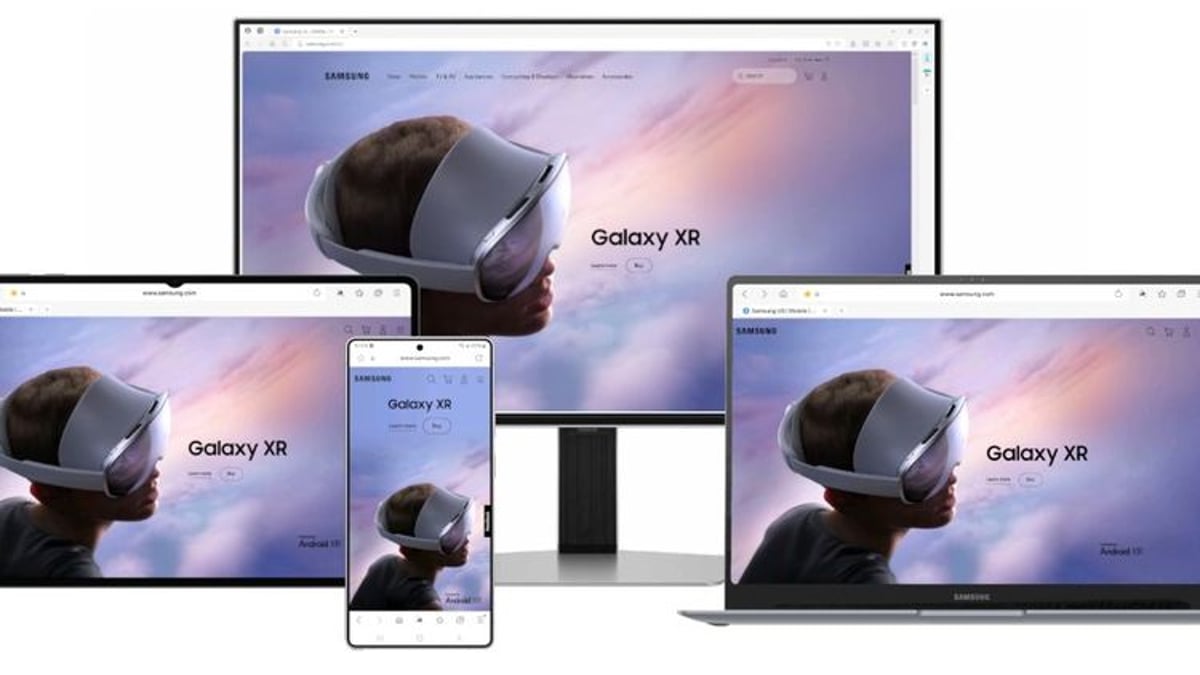
Samsung just made its biggest browser play yet, launching Samsung Internet for PC in beta - marking the company's first serious challenge to Chrome and Edge on desktop. The move brings Galaxy AI directly to Windows users while creating a seamless ecosystem between mobile and PC browsing that could reshape how people think about cross-device workflows.
Samsung is making its boldest browser bet yet. The company just announced Samsung Internet for PC beta, bringing its popular mobile browser to desktop for the first time and directly challenging Google Chrome's dominance on Windows machines.
The timing couldn't be more strategic. As browser wars heat up again with AI integration becoming the new battleground, Samsung is positioning itself as the ecosystem alternative to Google's ubiquitous Chrome. "We're excited to invite users to shape the future of browsing with us," Won-Joon Choi, Samsung's Chief Operating Officer for Mobile eXperience, told Samsung Newsroom. "This beta program unlocks a more connected experience across mobile and PC, while setting the stage for more intelligent browsing experiences to come."
What makes Samsung's approach different is the deep integration with Galaxy AI. Users logged into their Samsung Account get access to "Browsing Assist" - Samsung's answer to AI-powered web browsing that includes instant webpage summarization and translation. It's a direct shot at Google's Bard integration and Microsoft's Copilot features in Edge.
But Samsung's real advantage lies in cross-device continuity. The PC browser syncs bookmarks, browsing history, and Samsung Pass autofill data seamlessly between mobile and desktop. Even more impressive, users get prompted to resume browsing sessions when switching between devices - something that requires both devices being signed into the same Samsung account with Wi-Fi and Bluetooth enabled.
The security angle is equally compelling. Samsung Internet for PC includes smart anti-tracking technology that blocks third-party trackers, plus a real-time Privacy Dashboard. "Samsung Internet is designed for the future of browsing - bringing users safe, reliable and intelligent experiences that don't compromise on security or trust," according to the company's statement.
This launch comes as browser market share battles intensify. While Chrome still dominates with over 65% market share globally, Samsung's mobile browser has carved out significant territory on Android devices. The PC expansion could create the first viable ecosystem challenge to Google's integrated approach.
The beta rollout starts October 30, 2025, but only in the United States and Korea initially. Windows 11 and Windows 10 (version 1809 and above) users can sign up at browser.samsung.com/beta to join the program.
Industry watchers are calling this Samsung's most significant software play outside of mobile in years. The company is essentially betting that users want an alternative to Google's data-hungry ecosystem - one that keeps personal information within Samsung's Galaxy universe while delivering comparable AI-powered features.
What remains to be seen is whether consumers will switch from their established browser habits. Chrome's convenience and Google service integration have proven incredibly sticky. But Samsung's approach of starting with its existing mobile user base - people already invested in the Galaxy ecosystem - could provide the foothold needed to gain desktop relevance.
Samsung's desktop browser launch represents more than just another Chrome alternative - it's a strategic ecosystem play that could reshape browser competition. By leveraging Galaxy AI and cross-device integration, Samsung is betting that users want a more privacy-focused alternative to Google's data-centric approach. The success of this beta program could determine whether Samsung becomes a serious desktop software player or remains primarily a hardware company with mobile software ambitions.