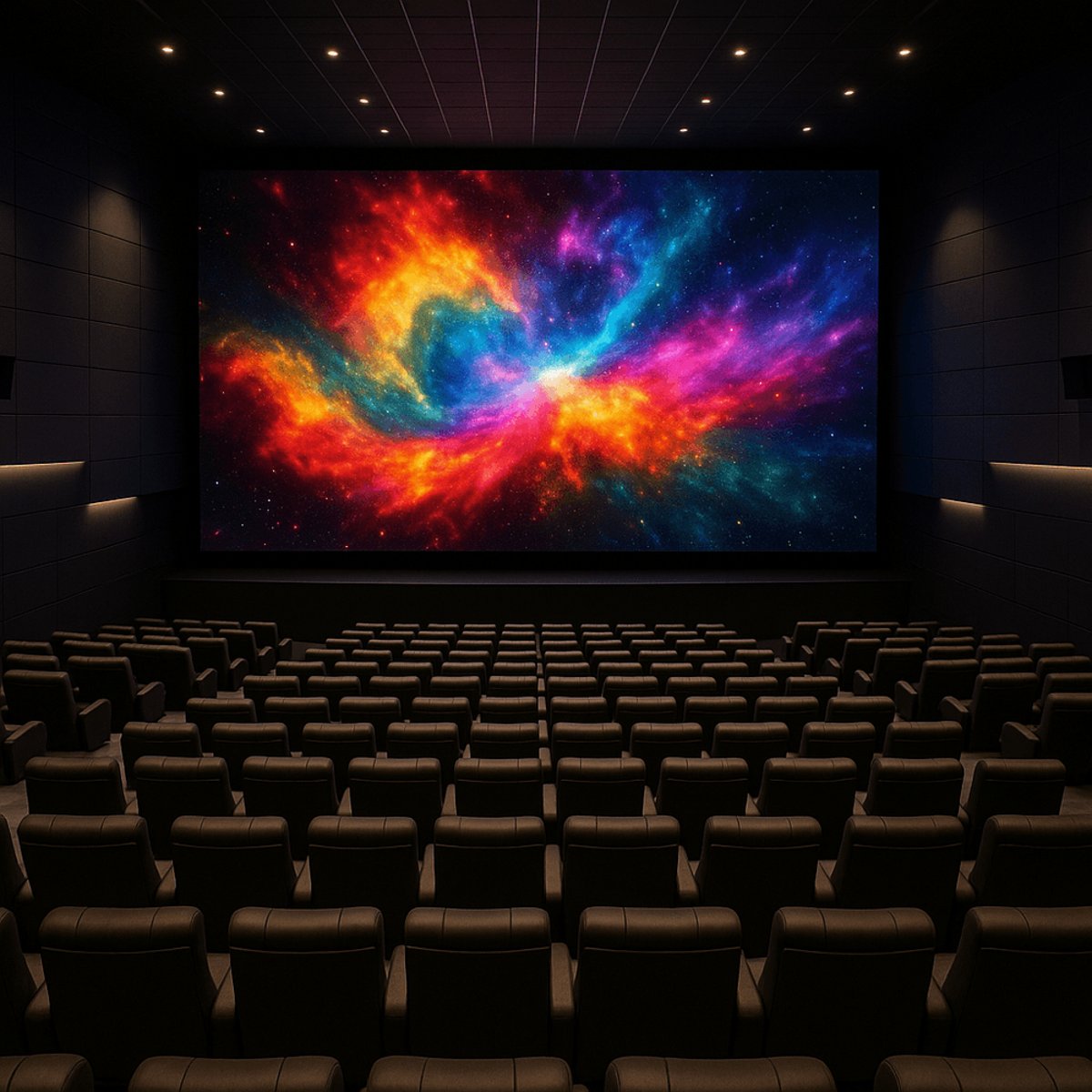
Samsung just rolled out its most significant cinema display upgrade in eight years. The updated Onyx LED technology made its Korean debut at Lotte Cinema Sillim, delivering 300-nit brightness and perfect blacks that are making moviegoers gasp. This isn't just another screen upgrade - it's Samsung's push to completely reshape how theaters compete with streaming.
The moment that massive LED screen lit up in Seoul, something shifted in Korea's cinema landscape. Samsung's latest Onyx technology just made its Korean debut at Lotte Cinema Sillim, and the audience reaction tells the whole story - audible gasps as pristine 4K images flooded the theater with unprecedented clarity.
This marks Samsung's first major update to Onyx in eight years, since the world's first cinema LED display launched at Lotte Cinema World Tower in 2017. Now the company's betting big on LED completely displacing traditional projectors, and early signs suggest they might be right.
"Many animation fans now say that certain movies must be watched in Onyx LED theaters," Jinha Jeong, Senior Manager at Lotte Cultureworks, told reporters. That's the kind of platform lock-in movie studios dream about - when audiences refuse to see content anywhere else.
The technical leap is substantial. Unlike projectors that beam light onto screens, Onyx generates its own illumination through LEDs, producing what Samsung calls "true blacks" alongside 300-nit peak brightness - roughly six times brighter than conventional systems. The result? Uniform brightness across every seat, zero light bleed, and color accuracy that survives even in well-lit environments.
But the real story is scalability. The Sillim installation stretches nearly 11 meters wide - 30% larger than standard configurations - thanks to Onyx's modular cabinet system. "We expanded it to 11.52 by 6.3 meters, creating a captivating sense of immersion that fills the viewer's entire field of vision," Jeong explained.
That flexibility is opening entirely new revenue streams for theaters. The enhanced brightness means venues can host live concert broadcasts, sports screenings, and dining experiences without dimming lights. "When watching concert footage, the LED screen vividly captures even the darkest corners of the stage," Jeong noted.
The timing couldn't be better for Samsung. As streaming services blur the line between home and theater experiences, cinema chains desperately need differentiation. Enter Onyx's collaboration with major studios - Pixar Animation Studios has already mastered films like "Elemental" and "Inside Out 2" specifically for 4K theatrical HDR format compatible with Onyx displays.
"On the Onyx, these little details were perfectly visible - details which give a lot to the atmosphere," said Matīss Kaža, producer of Golden Globe winner "Flow." That granular detail visibility is exactly what theaters need to justify premium ticket pricing.
Early audience feedback supports the premium positioning. "Dynamic scenes such as explosions and battles appeared incredibly sharp, and the vibrant colors made the viewing experience even more immersive," shared viewer Eunjeong Lim. Another moviegoer, Byeongrok Kang, noted that "even the outlines of the subtitles were crystal clear."
Lotte Cinema's expansion to seven LED venues signals broader industry confidence. The cinema chain isn't just installing these screens - they're building entire "signature screening formats" around the technology. That's a substantial bet on LED completely replacing projector-based systems within the next decade.
For Samsung, Onyx represents a crucial B2B play beyond consumer electronics. The company's positioning this as infrastructure for the "future of cinema" - a space where technological innovation directly translates to new experiential possibilities and revenue models for theater operators.
Samsung's Onyx upgrade arrives at a pivotal moment for the cinema industry. As theaters fight to differentiate from streaming, LED technology offers the kind of premium experience that justifies higher ticket prices. With Lotte Cinema expanding to seven venues and studios mastering content specifically for LED displays, we're watching the early stages of a format transition that could reshape cinema infrastructure globally. The question isn't whether LED will replace projectors, but how quickly Samsung can scale production to meet growing demand.