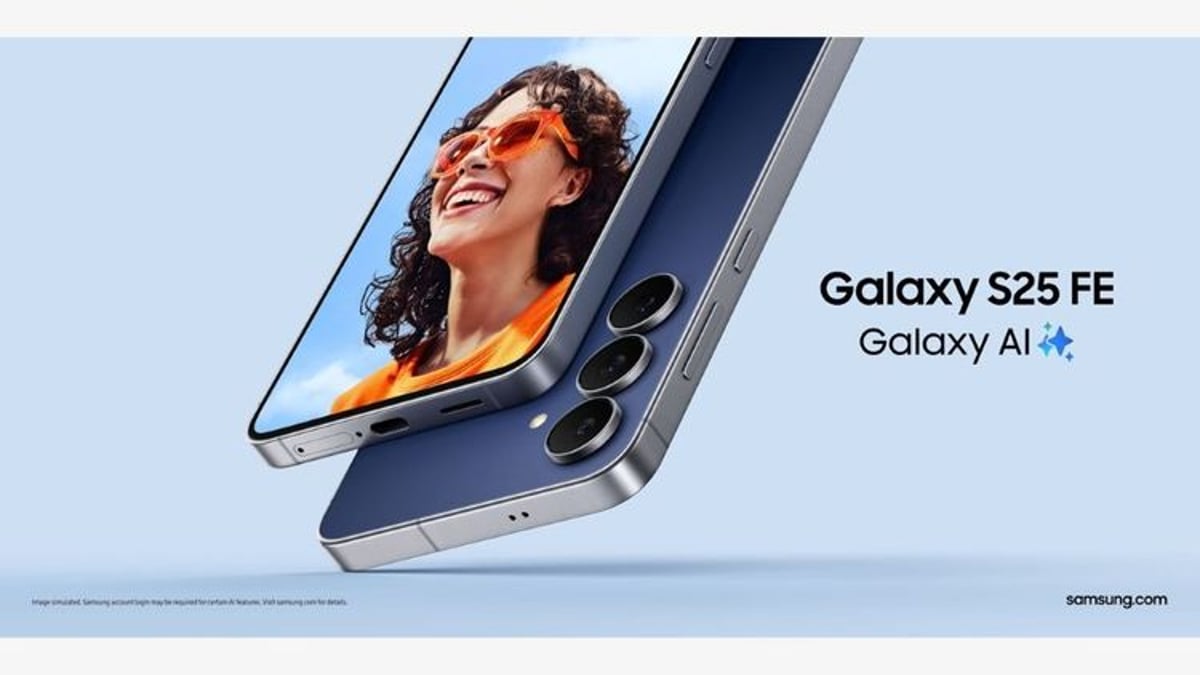
Samsung just dropped its most accessible flagship yet, positioning the Galaxy S25 FE as the entry point into its Galaxy AI ecosystem. The device launches September 4th with multimodal AI capabilities, upgraded cameras, and enhanced security features that could reshape the mid-premium smartphone market. This isn't just another phone release—it's Samsung's bid to democratize AI-powered mobile experiences.
Samsung just made Galaxy AI accessible to millions more users. The company's newly announced Galaxy S25 FE positions itself as the "gateway" device into Samsung's expanding artificial intelligence ecosystem, launching September 4th with a suite of multimodal AI features that previously required flagship-level investment.
The timing feels strategic. As competitors struggle to differentiate their AI offerings, Samsung is democratizing the experience with features like Gemini Live, which enables real-time visual conversations where the device can see what users see. Point your camera at two outfits and ask "Which is better for Seoul weather?" and Google's AI responds conversationally through Samsung's interface integration.
"Galaxy S25 FE plays an important role as a gateway into the broader Galaxy AI ecosystem, making these experiences more attainable for a wider range of users," Jay Kim, Executive Vice President at Samsung Electronics, told the press via Samsung's official announcement. The admission reveals Samsung's strategy: capture users at accessible price points, then upgrade them through its AI ecosystem.
The hardware improvements tell the real story. Samsung upgraded the front camera to 12MP from the previous 10MP, boosted the battery to 4,900mAh from 4,700mAh, and doubled charging speeds to 45W from 25W. But the vapor chamber expansion—over 10% larger than the S24 FE—hints at serious AI processing ambitions requiring enhanced thermal management.
Security represents Samsung's biggest bet. The new Knox Enhanced Encrypted Protection (KEEP) creates encrypted, app-specific storage environments within the device's secure area. Each app can only access its own data, supporting Samsung's Personal Data Engine that keeps user preferences entirely on-device. This approach contrasts sharply with cloud-first AI strategies from competitors, potentially appealing to privacy-conscious consumers.
The AI features feel genuinely useful rather than gimmicky. Now Bar surfaces contextual information directly on the lock screen, while Now Brief provides personalized daily updates including traffic and calendar events. Generative Edit automatically detects background distractions in photos and suggests removals, while Audio Eraser lets users isolate and remove specific sounds from videos—voices, music, wind, or crowd noise.
Samsung's partnership with Google runs deep throughout the experience. Circle to Search appears optimized for gaming, displaying tips and tactics in floating views that don't interrupt gameplay. The device ships with six months of Google AI Pro plan access, providing enhanced features in Gemini, Flow, and NotebookLM.
The broader context matters here. Samsung's rolling out One UI 8 across its entire Galaxy S25 lineup starting this month, creating a unified AI experience across price points. This ecosystem approach mirrors Apple's strategy but with Android 16 as the foundation and Google's AI services deeply integrated.
Technical specifications reveal Samsung's positioning strategy. The Exynos 2400 processor on 4nm technology handles AI processing, while the 6.7-inch Dynamic AMOLED 2X display with 120Hz refresh rate maintains flagship-level visuals. Storage options range from 128GB to 512GB, all with 8GB RAM—adequate for AI workloads but not excessive.
The device design reflects Samsung's current aesthetic: enhanced Armor Aluminum frame, IP68 water resistance, and playful color options including Icyblue, Jetblack, Navy, and White. Seven years of OS upgrades and security updates match Samsung's premium commitment at a more accessible price point.
Manufacturing timing suggests Samsung's confidence in AI adoption. September launches typically target holiday shopping seasons, but positioning this as an AI gateway device indicates Samsung expects significant consumer interest in practical AI applications rather than theoretical capabilities.
Samsung's Galaxy S25 FE represents more than just another smartphone launch—it's the company's strategic play to mainstream AI-powered mobile experiences. By combining flagship-level AI features with accessible pricing, Samsung aims to capture users who want practical AI applications without premium flagship costs. The success of this gateway strategy could determine whether AI becomes a mainstream smartphone differentiator or remains a premium feature. For consumers, the S25 FE offers a compelling entry point into Samsung's expanding AI ecosystem, complete with robust privacy protections and genuine utility features that could reshape daily mobile interactions.