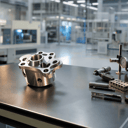
Samsung just pulled back the curtain on Galaxy XR development in an unprecedented engineering deep dive. The company released an exclusive video featuring the core development team at Samsung Digital City, revealing how they built multimodal AI capabilities into their groundbreaking extended reality device unveiled today. This marks Samsung's most aggressive push into the XR space, directly challenging Apple's Vision Pro dominance.
Samsung just delivered something the tech world rarely gets - an unfiltered look at how breakthrough hardware actually gets made. The company released an exclusive video today featuring the engineers who built Galaxy XR, Samsung's most ambitious leap into extended reality that's designed to go head-to-head with Apple's Vision Pro.
The 15-minute documentary, hosted by technology journalist Lucy Hedges, takes viewers inside Samsung Digital City in Suwon, South Korea, where the magic happened. But this isn't your typical corporate showcase. Kihwan Kim, the EVP and Head of Samsung's Immersive Solution R&D Team, and Sean Choi from the same division get refreshingly technical about the challenges they faced building multimodal AI capabilities from scratch.
"We knew from day one that XR would only succeed if it felt natural," Kim explains in the video, gesturing at prototype units scattered across the lab. "Eye tracking, hand gestures, voice - they all had to work together seamlessly, or users would just put it down." The candid admission reveals how user experience drove every technical decision, a stark contrast to the specs-first approach that's plagued VR for years.
The collaboration story gets even more interesting. Samsung didn't go it alone - they partnered with Google and Qualcomm in what they're calling an "open collaboration." This three-way partnership birthed Android XR, Google's answer to Apple's visionOS. According to the engineers, this wasn't just about sharing development costs - it was strategic positioning against Apple's closed ecosystem approach.
Choi drops the most revealing detail when discussing the AI integration: "The breakthrough came when we stopped thinking about separate input methods and started building a unified understanding system." What he means is that Galaxy XR doesn't just track your eyes OR hands OR voice - it processes all three simultaneously to predict what you actually want to do. It's the kind of technical achievement that sounds simple but represents years of AI model training.
The timing couldn't be more pointed. Apple has had the premium XR market essentially to itself since Vision Pro launched, and Meta has owned the gaming segment with Quest. Samsung's entry, backed by Google's software expertise and Qualcomm's processing power, creates the first serious alternative to Apple's approach.
Industry analysts have been waiting for this moment. "Samsung brings manufacturing scale that Apple can't match, and Google brings the AI capabilities that Meta's been trying to build," notes XR researcher Ming-Chi Kuo. "This collaboration could finally give consumers a real choice in premium XR."
The video reveals Samsung's been working on this for three years, dating back to 2022 when Apple's XR plans first leaked. The engineering team shows off early prototypes that look nothing like the sleek final product, highlighting the iteration process that led to the current design. One particularly telling moment shows a wall of failed prototypes - a rare glimpse of how many attempts it took to get the ergonomics right.
What's most striking is how Samsung's approach differs from Apple's. While Apple positioned Vision Pro as a computing platform that happens to do XR, Samsung built Galaxy XR specifically for immersive experiences first. The multimodal AI isn't trying to replace your laptop - it's designed to make virtual worlds feel completely natural.
The market implications are huge. Samsung's entry validates XR as more than just a niche Apple experiment, and the Android XR partnership means we're likely to see multiple manufacturers adopting this platform. That could drive down prices and accelerate adoption in ways that Apple's closed approach simply can't match.
Samsung's Galaxy XR engineering reveal does more than show off impressive technology - it signals the beginning of a genuine XR platform war. With Google's Android XR providing the software foundation and Qualcomm's chips powering the experience, Samsung has assembled the coalition needed to challenge Apple's early XR dominance. The real test comes when consumers get their hands on the device and decide whether Samsung's multimodal AI approach feels as natural as the engineers promise. But one thing's clear: the XR market just became a lot more competitive.


![[Infographic] Samsung AI Appliances Deliver Inclusive Experiences Through Enhanced Accessibility Features](/cdn-cgi/image/width=828,quality=75,format=auto,fit=cover/https://charming-card-d91ad3487b.media.strapiapp.com/file_e6b7515270.png)