Seagate CEO Dave Mosley just triggered a sell-off across the memory chip sector with a blunt admission: building new factories to meet surging AI demand would simply take too long. The comment sent Seagate shares tumbling, dragging down rivals Micron, Western Digital, and SanDisk in a broad retreat that's raising uncomfortable questions about whether the industry can scale fast enough to support the AI infrastructure boom.
Seagate CEO Dave Mosley just said the quiet part out loud, and investors aren't happy about it. During what appears to be a candid moment, Mosley acknowledged that ramping up manufacturing capacity to meet AI-driven demand would take too long, effectively admitting the company can't scale fast enough to capitalize on one of the biggest infrastructure buildouts in tech history. The comment sent Seagate shares sinking and pulled the entire memory chip sector down with it.
The sell-off hit Micron, Western Digital, and SanDisk hard, suggesting investors are recalibrating their expectations for the whole industry. It's a stark reversal from the optimism that's been driving semiconductor stocks higher on AI tailwinds. The message from Mosley cuts through the hype: even if demand is there, getting the supply online is another story entirely.
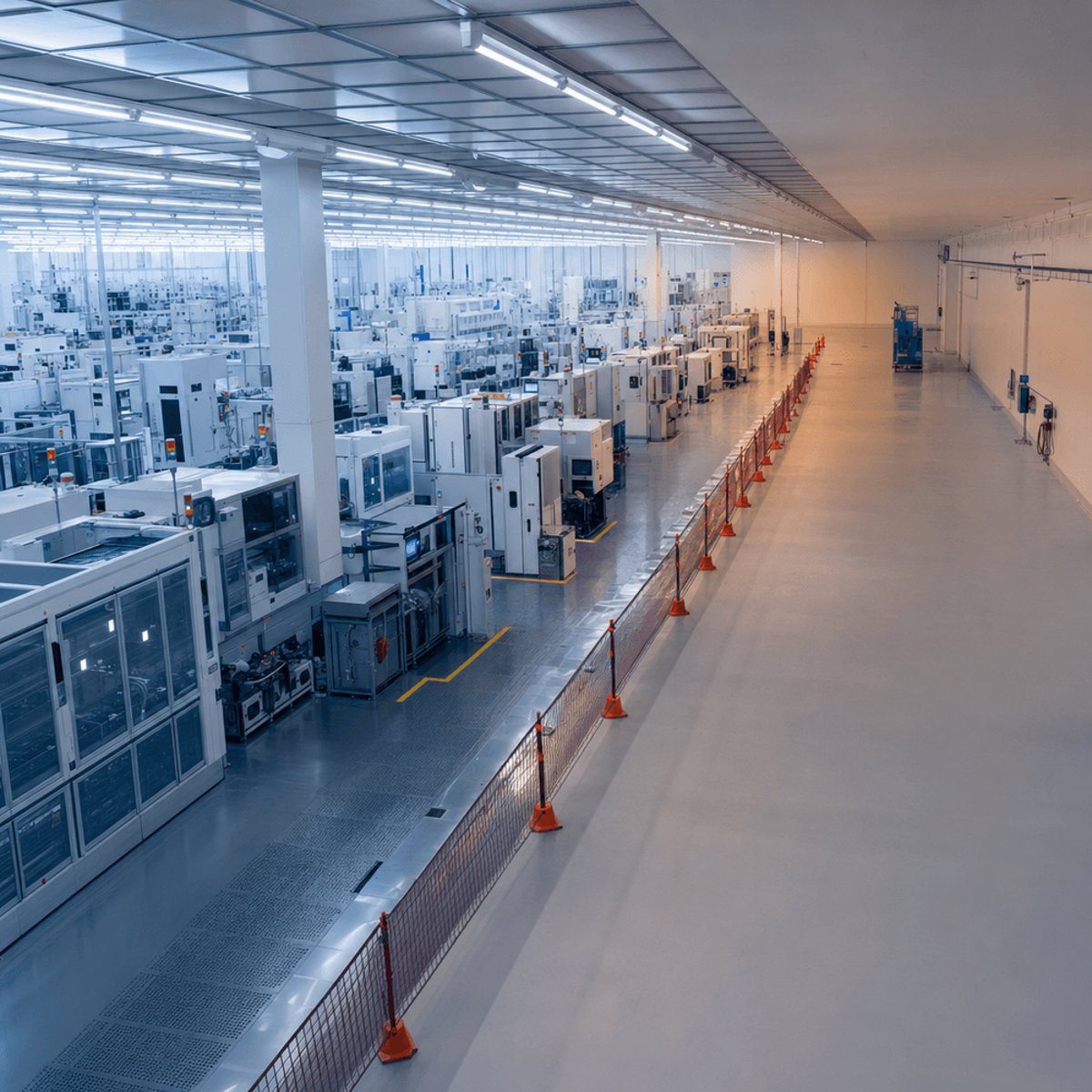
Building a state-of-the-art semiconductor fabrication facility is no small feat. It typically requires three to five years from groundbreaking to production, billions in capital investment, and navigating complex supply chains for specialized equipment. For memory chip makers, the calculus gets even trickier when you're trying to time capacity additions to match demand cycles that can swing wildly. Get it wrong, and you're stuck with expensive idle capacity during downturns.
Mosley's candor reveals a deeper strategic tension playing out across the semiconductor industry. Companies are being asked to make massive long-term bets on AI infrastructure demand continuing at current growth rates, but the penalties for overbuilding are severe. The memory chip sector has been burned before by overcapacity, leading to brutal price wars and margin compression that took years to recover from.
What makes this moment particularly fraught is that AI data centers are devouring storage capacity at unprecedented rates. Training large language models and running inference workloads require massive amounts of high-speed memory and storage. Google, Microsoft, Amazon, and others are racing to expand their AI infrastructure, creating what should be a golden opportunity for memory chip suppliers.
But Seagate's hesitation suggests the company isn't confident enough in sustained demand to commit to the multi-year, multi-billion-dollar factory projects that would be required. It's a bet that existing capacity, perhaps with incremental improvements, will be sufficient - or at least that the risk of building new facilities outweighs the potential upside.
The stock market reaction indicates investors are processing what this means for growth projections. If the leading memory chip companies can't or won't expand capacity aggressively, it could mean several things: prices for memory products might rise due to constrained supply, benefiting margins but potentially limiting volume growth. Or it could mean market share shifts as more aggressive competitors, particularly those with government backing in Asia, move to fill the gap.
Samsung, SK Hynix, and other Asian manufacturers have been more willing to commit capital to expansion projects, often with government incentives sweetening the deal. Mosley's comments might inadvertently be signaling a competitive disadvantage for Western manufacturers who face higher capital costs and less government support for semiconductor manufacturing investments.
The timing is awkward, coming as the U.S. government has been pushing to reshore semiconductor manufacturing through the CHIPS Act and other initiatives. The whole point of those programs was to ensure domestic capacity for critical technologies, but if companies like Seagate are concluding that building new factories takes too long to be worthwhile, it raises questions about whether policy incentives are sufficient to change the underlying economics.
For the AI industry, this is an emerging constraint that could slow infrastructure buildout. If memory and storage capacity becomes a bottleneck, it could limit how quickly companies can deploy new AI capabilities, potentially creating a supply squeeze that drives up costs across the sector. The hyperscalers building massive AI data centers are paying close attention to these capacity signals.
Mosley's admission that new factories would take too long exposes a fundamental tension in the semiconductor industry's response to AI demand. Companies are caught between the massive capital requirements and long lead times of fab construction and the risk of missing out on what could be a generational growth opportunity. The market's negative reaction suggests investors are now pricing in slower growth and potential supply constraints that could reshape competitive dynamics in AI infrastructure. What happens next likely depends on whether demand stays strong enough to justify the factories nobody wants to commit to building - and whether competitors in Asia are willing to take the risk that Western manufacturers are avoiding.