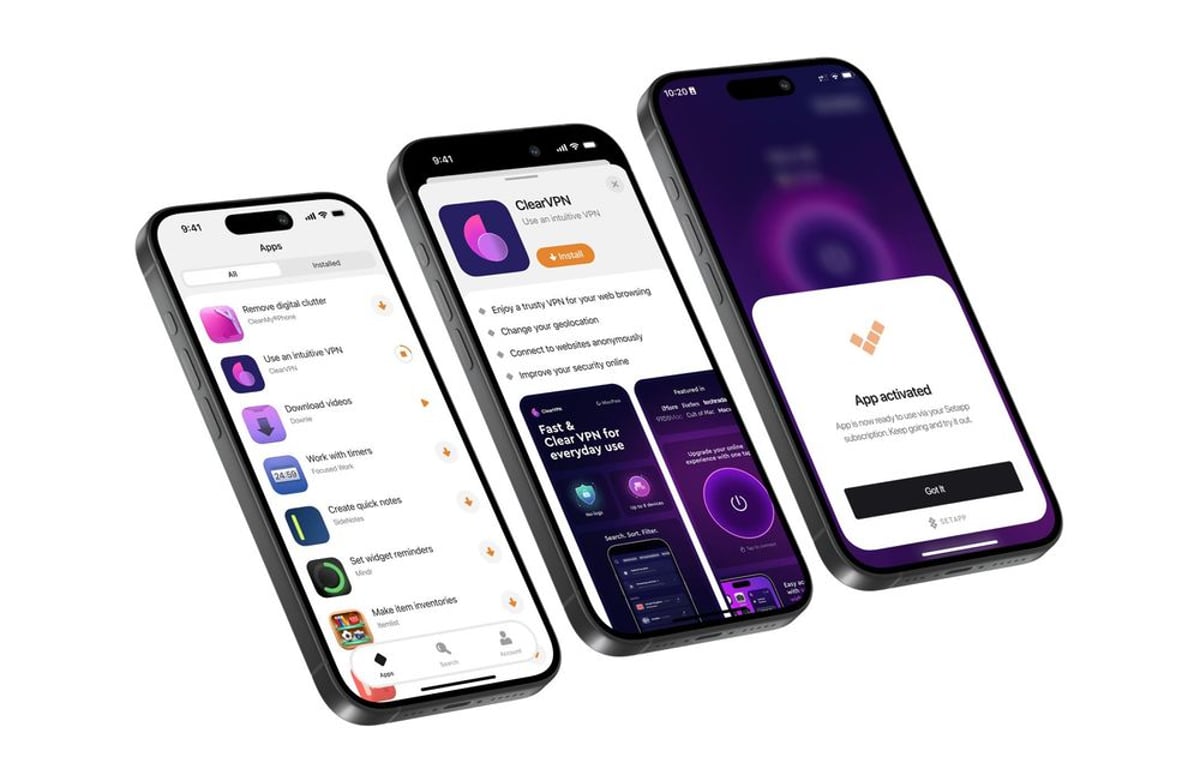
Setapp Mobile, one of the EU's first alternative iOS app stores created in the wake of Apple's forced compliance with Europe's Digital Markets Act, is shutting down next month. MacPaw, the Ukrainian developer behind the subscription service, announced the closure on February 16, citing evolving business terms that no longer fit its model. The shutdown marks an early test case for whether third-party app stores can actually gain traction on iOS.
The EU forced Apple to open iOS to third-party app stores. What it couldn't force was users to actually use them. Setapp Mobile's impending shutdown on February 16 is the first major casualty in what's shaping up to be a tough experiment in iOS competition.
MacPaw, the developer behind Setapp, posted the news quietly on a support page, offering little detail beyond what mattered most: all apps distributed through Setapp Mobile would disappear, and users better download their data while they still can. The company blamed "still-evolving and complex business terms that don't fit Setapp's current business model," a diplomatic way of saying the economics just didn't work.
This matters because Setapp Mobile wasn't some fringe player. When Apple was forced to comply with the EU's Digital Markets Act in 2024, Setapp was among the first movers to launch an alternative iOS app store in Europe. The service promised subscribers access to premium apps at a flat monthly rate, similar to how the desktop Setapp model works. It seemed reasonable. It seemed like it might work. Regulators celebrated. Tech enthusiasts got excited.
But here's what regulators didn't account for: user behavior doesn't change because a law says it should. Apple spent two decades training iPhone users that the App Store is the only place to get apps. Breaking that habit requires more than legal compliance. It requires apps people actually want, and distribution agreements that make economic sense for developers.
Setapp's subscription model creates tension on both sides. Developers lose direct pricing control. Users, accustomed to free and paid apps in the traditional App Store, wonder why they need yet another subscription. And Apple, still setting the terms for what's allowed on iOS even under DMA constraints, created friction around billing, security, and distribution that made the whole proposition exhausting.
MacPaw didn't disclose specifics, but industry sources have pointed to Apple's continued leverage over third-party app stores. The company still controls core iOS functions, still has the power to deny certain capabilities, and still maintains App Store prominence on every iPhone. When you're trying to build an alternative ecosystem under those conditions, you're swimming upstream.
The collapse also reflects deeper market dynamics. Premium iOS apps have fragmented. Developers increasingly rely on subscription models within their own apps rather than selling premium versions. Setapp's wholesale discount model, which worked better on Mac, doesn't translate as cleanly to mobile. Subscribers need critical mass to justify a separate store. Critical mass requires compelling exclusive content. But compelling exclusives require developer buy-in, which requires viable economics. It's a chicken-and-egg problem, and Setapp apparently decided the egg wasn't coming.
There's a grim precedent here. The Epic Games Store is still technically available in the EU, though Epic's native iOS distribution is limited outside its own game ecosystem. AltStore PAL remains operational, but it's niche even by alternative store standards. Neither has achieved meaningful market penetration.
What Setapp's shutdown really signals is that Apple remains structurally dominant even when forced to open the gates. The DMA created permission for alternatives but didn't create reason for users to switch. That's a crucial distinction for regulators now watching this whole experiment unfold.
Setapp Mobile's shutdown isn't just about one app store failing. It's a reality check for the EU's regulatory strategy around digital markets. You can force open an ecosystem with regulation, but you can't force user adoption. As alternative iOS stores struggle to find viable business models under Apple's continued structural advantages, the question becomes whether the DMA's technical requirements can ever translate into meaningful competition, or if it's just theater that lets regulators claim victory while Apple's dominance remains fundamentally unchanged.