Sonos just made its first major leap beyond audio control. The company's voice assistant can now control Philips Hue smart lights directly through your speakers, processing commands locally for faster response times than cloud-based competitors. This marks the beginning of a broader smart home integration that could reshape how we interact with connected devices.
Sonos just crossed a major threshold in the smart home wars. The audio giant's voice assistant, previously limited to music playback, now controls Philips Hue smart lighting through direct voice commands processed entirely on-device.
The integration, announced at IFA 2025 this week, lets users turn lights on and off, adjust dimming, and activate scenes simply by speaking to their Sonos speakers. The key differentiator: everything processes locally, delivering faster response times than Amazon's Alexa or Google Assistant, which route commands through the cloud.
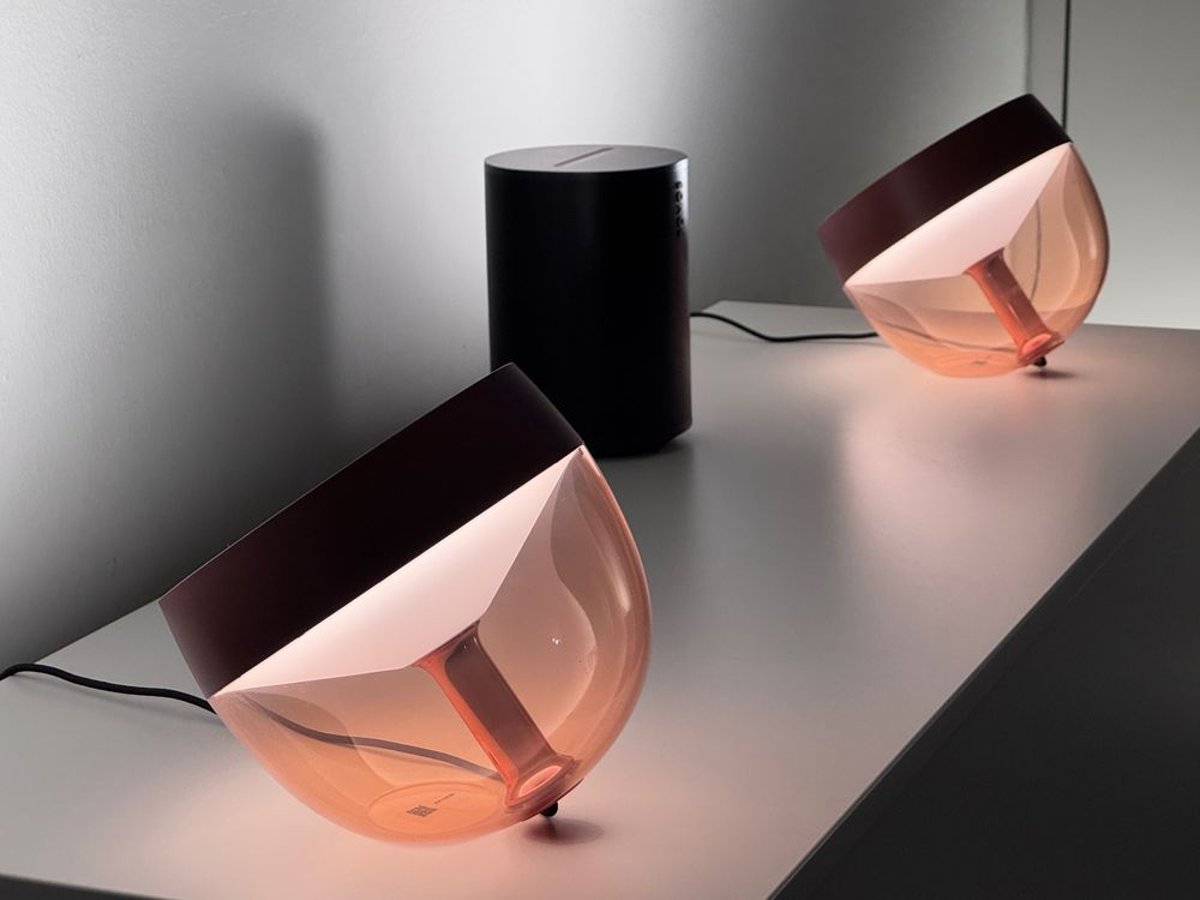
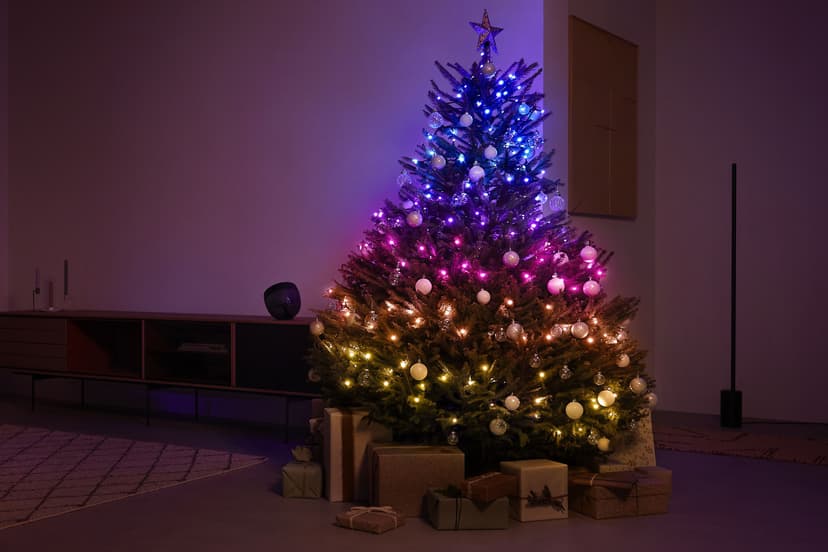
"There's a lot of crossover in our customer bases and we have a roadmap of use cases planned," George Yianni, CTO and founder of Philips Hue, told The Verge. His vision extends far beyond basic lighting control: "Think lights that support the mood that you want to create when you're playing music, or music that can help enhance the scenes that you're recalling on the lighting side."
This partnership signals Sonos breaking free from its audio-only identity. The company launched Sonos Voice Control in 2022 as a privacy-focused alternative to Amazon and Google, but kept it strictly limited to music functions. Industry watchers have long speculated about when Sonos would expand into broader smart home control, given its premium positioning and loyal customer base.
The timing couldn't be more strategic. Smart home adoption continues accelerating, with voice control becoming the preferred interface. By processing commands locally, Sonos addresses two major consumer pain points: privacy concerns about cloud-based assistants and the frustrating delays that plague most voice commands.
Philips Hue brings its own advantages to the partnership. As the premium smart lighting leader, Hue's ecosystem includes millions of installed bulbs and fixtures. The brand has consistently focused on creating atmospheric lighting experiences, making the music-lighting synchronization roadmap particularly compelling.
The competitive implications ripple across multiple fronts. Amazon has dominated smart home voice control through Alexa's broad device compatibility, while Google has pushed Assistant integration across Android and Nest products. Sonos is betting that superior audio quality combined with faster, more private local processing can carve out premium market share.
For consumers, this represents the early stages of what could become a comprehensive smart home platform. Sonos speakers already serve as central hubs in many homes due to their superior sound quality and multi-room capabilities. Adding lighting control creates a foundation for broader home automation without requiring additional hardware investments.
The technical architecture matters here. While most voice assistants send commands to the cloud for processing, then back to local devices, Sonos and Philips Hue are building direct local communication. This approach promises not just speed improvements, but also reliability during internet outages and enhanced privacy by keeping commands within the home network.
Industry analysts see this as Sonos testing the waters for broader smart home expansion. The company has remained focused on audio excellence while competitors like Apple with HomeKit and Samsung with SmartThings have built comprehensive ecosystems. Success with Hue integration could open doors to partnerships with thermostat makers, security providers, and other smart home categories.
This partnership marks more than just another smart home integration—it's Sonos positioning itself as a premium alternative to Amazon and Google in the voice control space. By prioritizing local processing and starting with a high-quality partner like Philips Hue, Sonos is building the foundation for a smart home ecosystem that could challenge the tech giants' dominance. The real test will be execution speed and how quickly they can expand beyond lighting into other smart home categories.