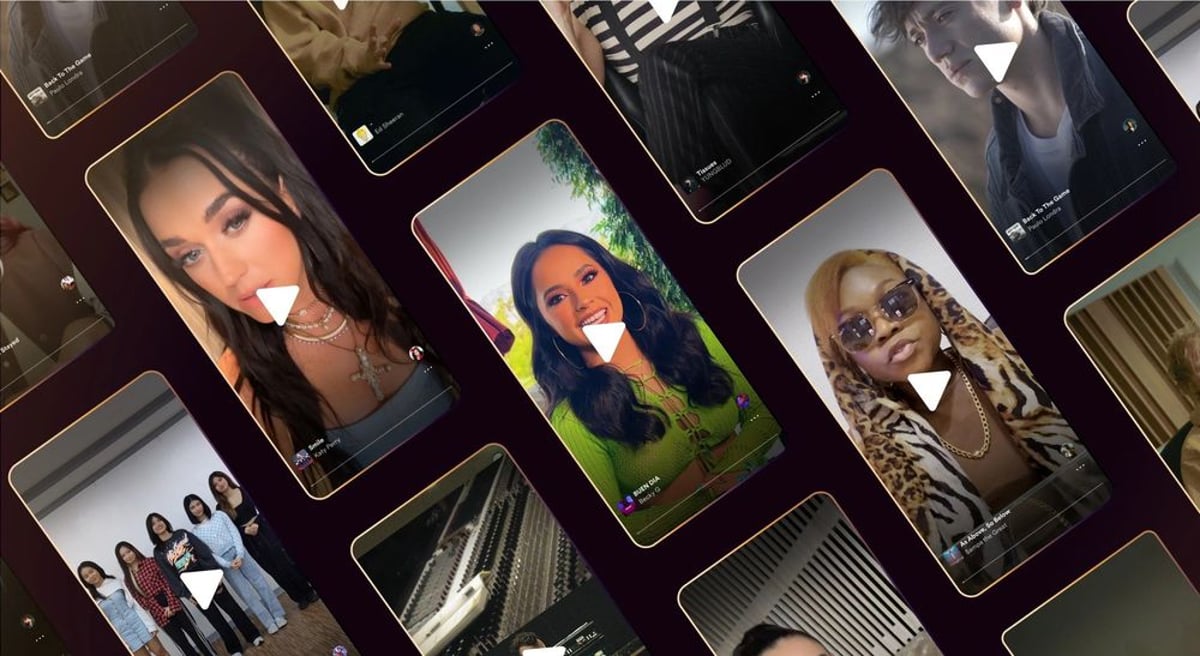
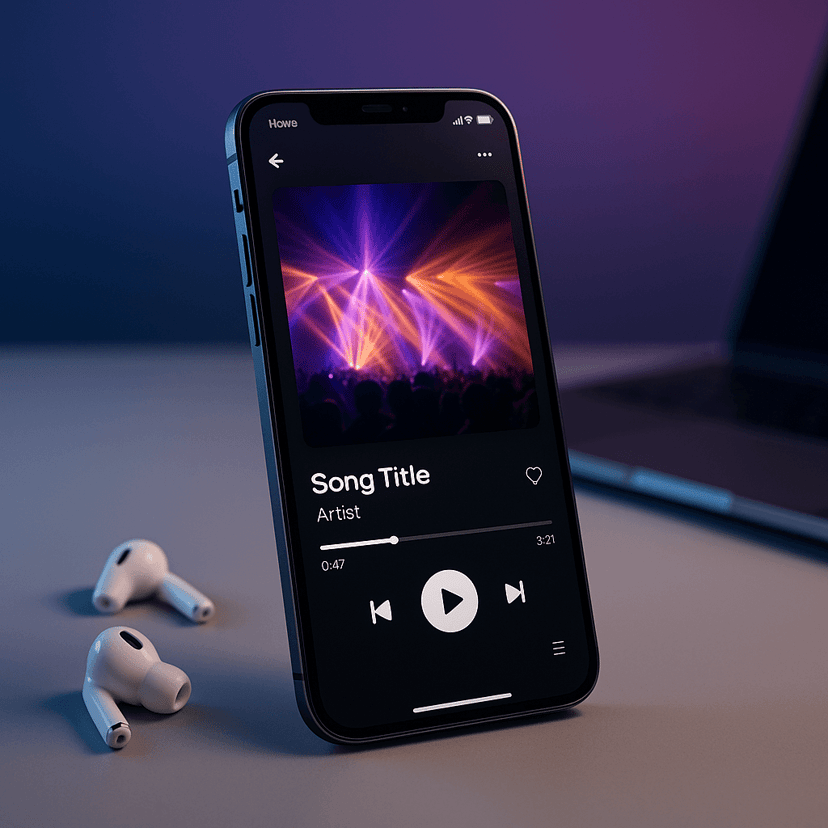
Spotify is making its boldest move yet to break free from audio-only streaming. The company launches music videos this month for US subscribers and boldly declares it's "creating a best-in-class video experience to rival the biggest players, like YouTube or TikTok." This isn't just feature creep - it's a full platform transformation as music streaming hits growth limits.
Spotify just threw down the gauntlet against YouTube and TikTok. The music streaming giant is rolling out music videos to US subscribers this month, complete with seamless toggling between audio and video versions of popular tracks. But this is just the opening salvo in what the company calls its evolution "from an audio-first platform to also become a world-class video service," according to recent job postings.
The timing isn't coincidental. Spotify struck crucial licensing deals with major labels and the National Music Publishers' Association this fall that specifically included audiovisual rights provisions. "These deals secure broader video rights that we've long needed," chief business officer Alex Norström told investors on the company's Q3 earnings call. "This was a critical strategic objective for us because it unlocks our ability to innovate and launch more products and features."
The numbers reveal Spotify's video ambitions are already gaining serious traction. The platform now hosts nearly 500,000 video podcasts and shows, with over 390 million users streaming video content. Watch time has more than doubled year-over-year, signaling genuine user appetite for visual content on the traditionally audio-focused platform.
MIDiA Research managing director Mark Mulligan sees this as Spotify responding to streaming's maturation crisis. "Music streaming is entering an optimization phase," Mulligan explains. "The last 10 years were about growth; the next 10 will be defined by consolidation." With Western markets approaching saturation for paid music subscribers, Spotify must compete for attention time against everything from Netflix to mobile games.
The platform faces a fundamental attention disadvantage, Mulligan argues. "Of all entertainment formats, music is the one consumers are least likely to be paying attention to - just under a third are focused on the music they are listening to when streaming. Adding video commands more of the senses and therefore attention."
YouTube has already mastered this music-video combination, dominating free music consumption with 67% of consumers watching music videos monthly compared to just 37% with music subscriptions, per MIDiA's summer survey. YouTube Music's tight integration with the main platform makes it "probably the most serious challenger" to Spotify's dominance, despite smaller overall size.
Spotify's response includes some unexpected partnerships. The company struck a deal with Netflix in October to distribute The Bill Simmons Podcast and other Spotify shows on the streaming giant. A separate Samsung partnership creates a linear TV channel featuring Spotify podcasts like The Dave Chang Show and The Rewatchables.
But how far will Spotify push into user-generated content? The company already allows artists to upload 30-second vertical clips and featured similar content from podcasters in this year's Spotify Wrapped. Thematic COO Audrey Marshall sees music curators as the logical next step, noting how TikTok's music discovery process forces users to jump between platforms.
"Right now, in order to get a TikTok music curator's latest artist recommendations, you need to open TikTok, hopefully be recommended their content in your feed, watch their video, leave TikTok and open Spotify to look up the artist," Marshall wrote in a recent analysis. "Wouldn't it be that much more effective to see this video directly within Spotify?"
Spotify declined to detail future video plans, but opening full user uploads like YouTube or TikTok would create massive content moderation and copyright challenges. The company appears focused on curated, professional content for now - a safer but potentially less explosive growth strategy than social media's anything-goes approach.
Spotify's video pivot represents more than feature expansion - it's survival strategy for a maturing streaming market. With music consumption increasingly visual and attention-based, the platform must evolve or risk being relegated to background listening while competitors capture users' eyes. The success of this transformation will determine whether Spotify remains a music service that added video, or becomes the comprehensive entertainment platform it's clearly trying to build.