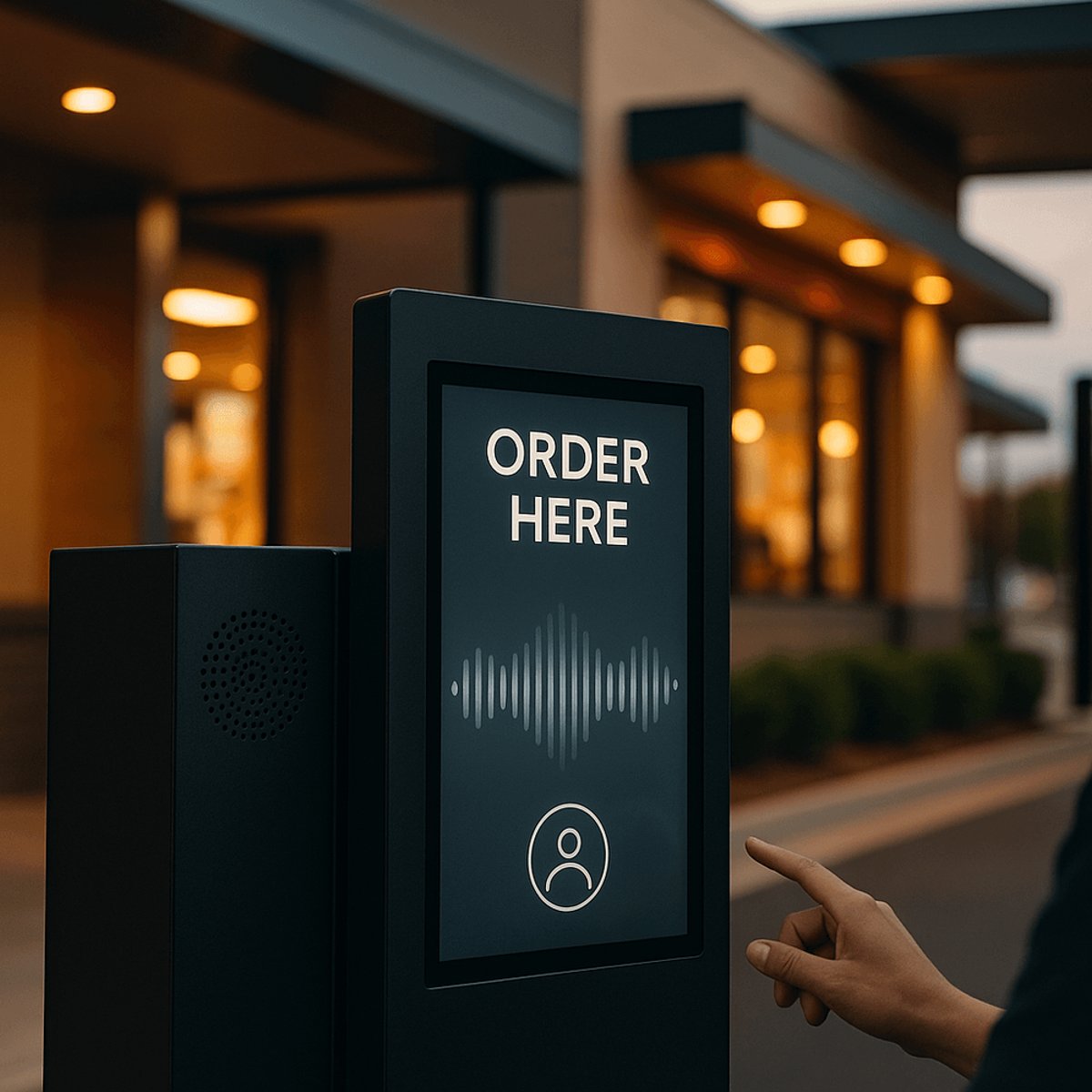
Taco Bell is having second thoughts about its ambitious voice AI drive-through rollout after viral moments exposed system failures across 500+ locations. The fast-food giant's AI ordering technology has been gamed by customers ordering absurd quantities like 18,000 water cups to bypass the bot and reach human workers, forcing executives to reassess when and where to deploy the technology.
Taco Bell just hit the brakes on its voice AI drive-through expansion after a wave of viral moments exposed the technology's vulnerabilities. The fast-food chain's ambitious rollout across more than 500 locations has become a cautionary tale about deploying consumer-facing AI without adequate safeguards.
The problems became internet fodder when customers discovered they could game the system by placing absurd orders. One viral TikTok shows someone ordering 18,000 water cups specifically to overwhelm the AI and get transferred to a human worker. The clip perfectly captures the frustration many customers feel when forced to interact with imperfect voice recognition technology.
Chief Digital and Technology Officer Dane Matthews made a candid admission about the technology's performance in an interview with The Wall Street Journal. "Sometimes it lets me down, but sometimes it really surprises me," Matthews said, acknowledging that even he has mixed experiences with his own company's AI system.
The executive's honesty reflects a broader reality hitting the restaurant industry as chains rush to automate ordering. While voice AI promises to reduce labor costs and speed up service, the technology often struggles with accents, background noise, complex orders, and customers who intentionally try to confuse the system.
Taco Bell's experience mirrors challenges other major chains face with AI deployment. McDonald's recently ended its partnership with IBM on voice ordering after similar technical difficulties, while White Castle has taken a more measured approach to AI rollouts.
Rather than abandoning the technology entirely, Taco Bell is pivoting to a more nuanced strategy. Matthews explained the company is moving toward selective deployment, giving individual franchisees flexibility to determine when AI makes sense for their specific locations. Busy restaurants with long lines might benefit from human workers who can handle complex orders faster, while slower periods could rely more heavily on AI.
"For our teams, we'll help coach them: at your restaurant, at these times, we recommend you use voice AI or recommend that you actually really monitor voice AI and jump in as necessary," Matthews told the Journal. This hybrid approach acknowledges that AI works best as a complement to human workers rather than a wholesale replacement.
The company's "active conversation" about AI deployment timing reflects a maturing understanding of the technology's limitations. Early AI adopters in retail and hospitality often assumed the systems would work seamlessly from day one, but real-world deployment reveals the gap between lab performance and customer-facing reality.
Taco Bell's recalibration comes as the broader restaurant industry grapples with AI automation. While back-of-house applications like inventory management and scheduling have seen smoother adoption, customer-facing AI remains challenging due to the unpredictable nature of human interaction.
The viral bypass attempts also highlight customers' growing sophistication in dealing with corporate AI systems. Rather than simply accepting poor service, users are finding creative ways to circumvent technology they find frustrating, turning system failures into social media content that damages brand reputation.
This shift toward selective AI deployment could become the industry standard as chains learn from early missteps. The companies that succeed will likely be those that deploy AI strategically rather than universally, focusing on specific use cases where the technology genuinely improves the customer experience.
Taco Bell's AI recalibration signals a broader industry shift from blanket automation to strategic deployment. As customer expectations evolve and bypass tactics spread, successful chains will likely adopt hybrid models that leverage AI's strengths while maintaining human oversight where it matters most. The companies that learn from these early missteps—rather than doubling down on flawed technology—will ultimately deliver better customer experiences.