Tiger Global Management just announced its latest venture fund targeting $2-3 billion - a massive comedown from the megafund era that signals the end of venture capital's most aggressive chapter. The firm that once led 212 startup rounds in a single year has made just nine new investments in 2024, marking a dramatic pivot to disciplined investing after years of heavy markdowns.
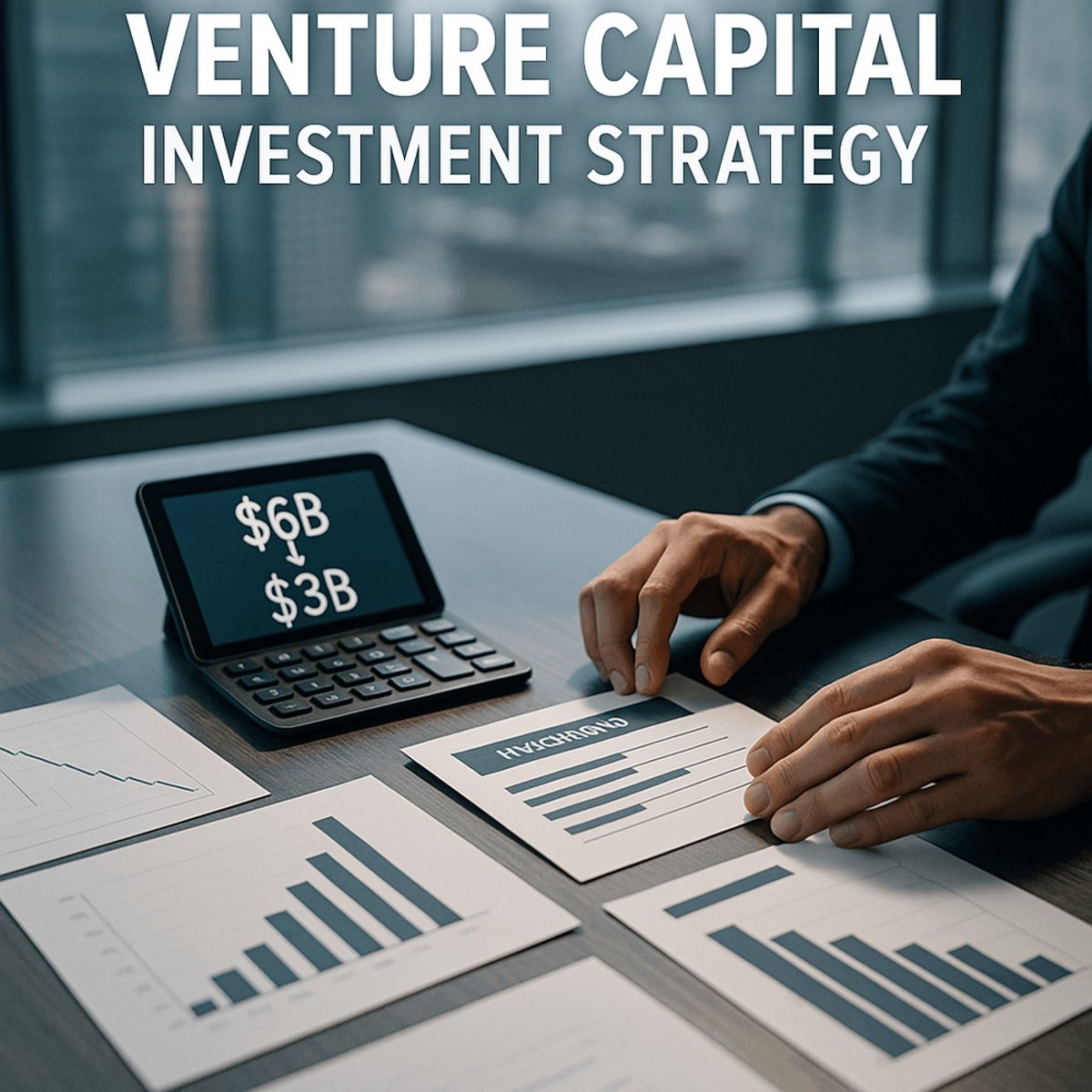
Tiger Global Management just threw in the towel on the megafund era. The hedge fund announced Monday it's launching Private Investment Partners 17, targeting between $2 billion and $3 billion - a stark retreat from the $6 billion it initially sought for its previous fund according to a letter to investors viewed by CNBC.
The numbers tell the story of venture capital's most dramatic pivot in years. Tiger went from leading 212 startup rounds in 2021 - the peak of its infamous "spray and pray" approach - to making just nine new private investments this year, according to Crunchbase data. That's not a slowdown; that's a full stop.
But here's the twist: Tiger's restraint might be paying off where it matters most. The firm's largest positions in its current fund are OpenAI and Waymo, both investments from 2021 that are now showing "massive gains," the letter states. Tiger first bought into OpenAI at a valuation under $16 billion - the AI giant is now worth over $150 billion after its latest funding round. Similarly, its Waymo stake from a $39 billion valuation looks prescient as the self-driving car company expands into new cities.
The firm's previous fund, PIP 16, tells the whole story of venture's recent turbulence. Initially targeting $6 billion, it ultimately closed at just $2.2 billion as limited partners grew skittish about the markdowns plaguing Tiger's portfolio. The new fund will be "similar in strategy, size and construction" to both PIP 16 and Tiger's earliest vintages, suggesting a return to the firm's pre-megafund roots.
This isn't just Tiger's story - it's the entire VC industry reckoning with the end of easy money. While Tiger was writing checks at breakneck speed in 2021, competitors like Sequoia and Andreessen Horowitz were equally aggressive. Now, with interest rates higher and exits scarce, the whole ecosystem is pulling back. Tiger's disciplined approach signals that even the most aggressive growth investors are admitting the party's over.
The firm was "one of the biggest forces in the startup ecosystem over the last half-decade" but has faced "heavy markdowns and slower deployment in the last few years," according to the investor letter. Translation: Tiger's portfolio companies haven't been going public or getting acquired at the valuations the firm paid, forcing down the paper value of its investments.
What makes Tiger's pivot particularly telling is how it mirrors broader market dynamics. Late-stage startups are struggling to raise follow-on rounds at higher valuations, forcing many to accept flat or down rounds. Tiger's reduced activity suggests it's waiting for better entry points rather than chasing overpriced deals.
The timing of this announcement also matters. Coming just weeks after OpenAI's latest acquisition spree and Waymo's geographic expansion, Tiger is essentially doubling down on its AI and autonomous vehicle bets while pulling back everywhere else.
Tiger Global's smaller fund isn't just about being more selective - it's a admission that the venture capital industry fundamentally overshot during the pandemic boom. With the firm's OpenAI and Waymo positions proving prescient, Tiger's betting that quality over quantity will define the next chapter of startup investing. For entrepreneurs, this means fewer but smarter checks. For the broader market, it signals the end of venture capital's most aggressive era and the beginning of something more sustainable.