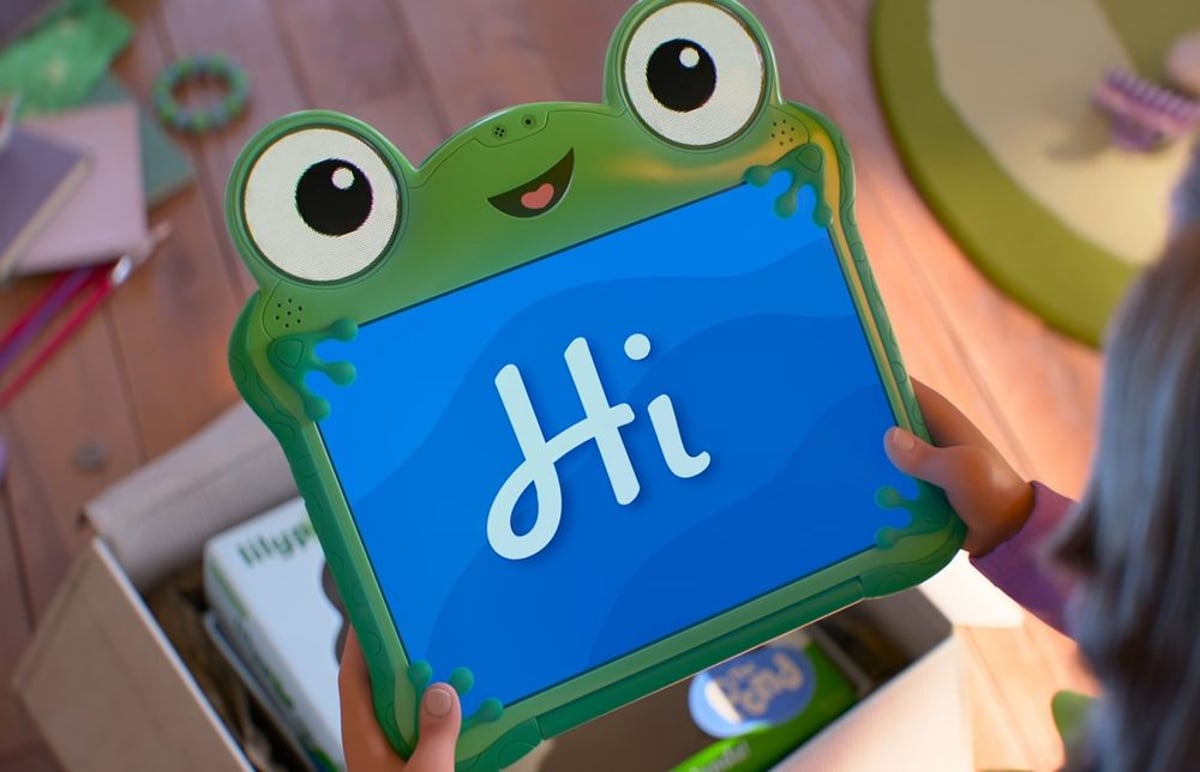
Disney just dropped the first Toy Story 5 teaser, and it's declaring war on screen time. The trailer introduces Lilypad, a tablet-shaped villain voiced by Greta Lee, marking Disney's boldest stance yet on the battle between traditional toys and digital entertainment. With the tagline "the age of toys is over," Disney's betting parents will flock to theaters when the film hits June 19th, 2026.
Disney and Pixar just fired the opening shot in Hollywood's war against screen time. The first Toy Story 5 teaser trailer dropped today, positioning tablets as an existential threat to childhood play with the ominous tagline "the age of toys is over."
The trailer introduces Lilypad, a menacing frog-shaped tablet voiced by Greta Lee of Russian Doll and the upcoming Tron: Ares. Woody, Buzz, and the gang look genuinely terrified as this digital antagonist represents everything parents fear about modern childhood - kids glued to screens instead of playing with physical toys.
It's a calculated move by Disney. The studio is tapping into widespread parental anxiety about tablet addiction among children, a concern that's only intensified since the pandemic. According to Common Sense Media research, children aged 8-12 now spend an average of 4-6 hours per day on screens, with tablets being a primary culprit.
"We've been preparing for this shift since Q2," one Disney executive might say, though the company hasn't released official statements about the film's themes yet. The teaser itself doesn't reveal much plot beyond identifying technology as the clear villain, but that's enough to signal Disney's positioning.
The casting choices reinforce this tech-versus-tradition narrative. Greta Lee brings gravitas to the tablet villain role, while Conan O'Brien joins as "Smarty Pants," described as a "toilet training tech toy." The irony isn't lost - even the good guys are getting digitized.
Timing matters here. Toy Story 5 arrives June 2026, more than three decades after the original 1995 film revolutionized animation. That's an entire generation of parents who grew up with Woody and Buzz now watching their own kids prefer iPads over action figures.
Pixar desperately needs a win. The studio's recent release Elio bombed spectacularly, earning just $21 million during its US debut - the worst opening in company history. The Toy Story franchise represents safer territory, with previous installments generating over $3 billion worldwide.
The meta-commentary runs deep. Disney, the company pushing Disney+ subscriptions and digital entertainment, is now creating a villain out of the very screens they profit from. It's a brilliant hedge - appealing to nostalgic parents while acknowledging their digital reality.
Competitors are watching closely. Netflix dominates children's streaming content, while YouTube captures massive kid attention spans. Traditional toy companies like Hasbro and Mattel have struggled to compete with mobile gaming and video content.
The trailer's visual language reinforces the threat. Tablets glow ominously, cast in threatening shadows that contrast sharply with the warm, familiar lighting of Andy's room from earlier films. It's classic Disney storytelling - making the new scary and the old comforting.
Disney's making a smart bet with Toy Story 5's anti-screen message. By positioning tablets as villains, they're giving parents permission to feel good about taking kids to movies while simultaneously validating their concerns about digital addiction. It's classic Disney - wrapping profitable entertainment in feel-good messaging. Whether this resonates enough to reverse Pixar's recent box office struggles remains to be seen, but the studio's choosing familiar territory over risky original content. Sometimes the safest play is admitting your audience's biggest fear - and then selling them a ticket to feel better about it.