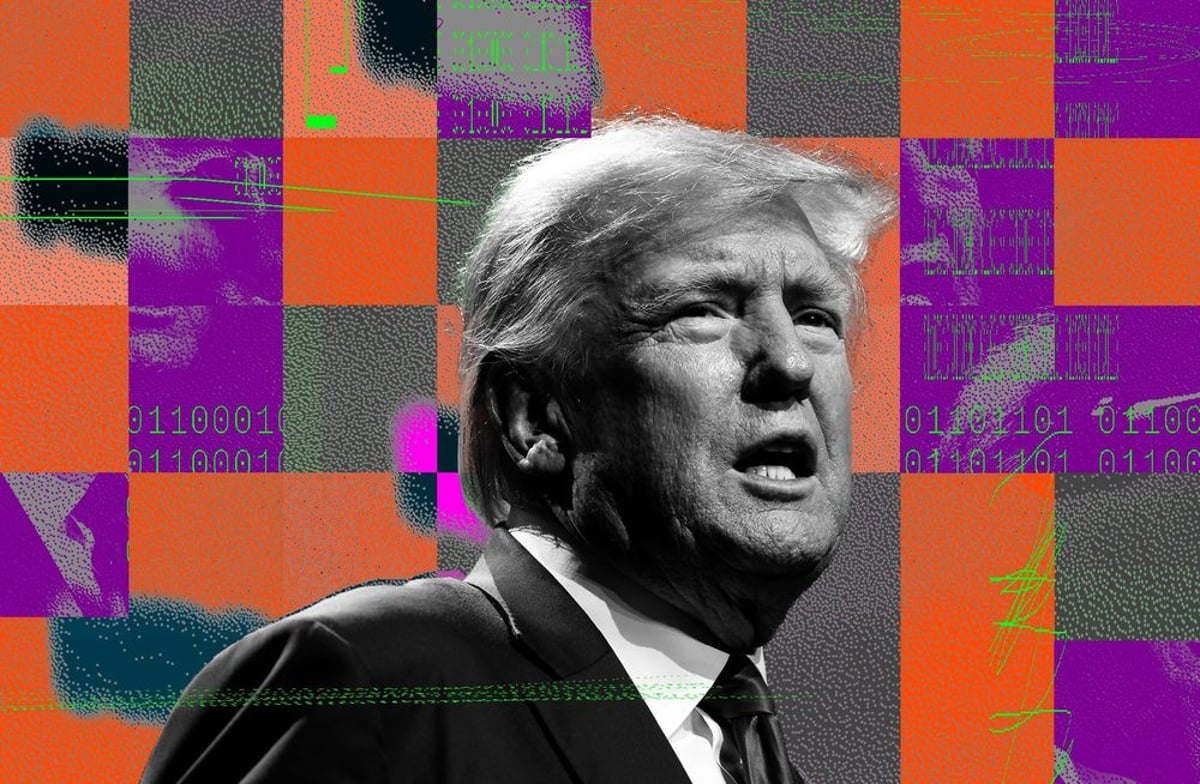
President Donald Trump just threw a wrench into the AI infrastructure boom. During his State of the Union address, he announced a "rate payer protection pledge" that would force major tech companies to build or pay for their own electricity generation for data centers. Leaders from Amazon, Google, Meta, Microsoft, xAI, Oracle, and OpenAI are set to sign the pledge at a March 4th White House event, but the details on enforcement and actual commitments remain conspicuously absent.
Trump's announcement arrives at a critical moment for the AI industry. Data centers powering everything from OpenAI's ChatGPT to Meta's Llama models are consuming electricity at unprecedented rates, and utility companies across the country are warning about grid strain. The president framed the pledge as protection for everyday Americans facing higher electricity bills because of tech's insatiable power appetite.
According to Fox News reporting, the March 4th signing ceremony will bring together an unusual coalition of competitors. Amazon, Google, Meta, Microsoft, Elon Musk's xAI, Oracle, and OpenAI are all expected to attend, though none of the companies have publicly commented on what they're actually agreeing to.
The lack of specifics is raising eyebrows in the energy sector. "Under this bold initiative," Trump said during the speech, before the original Verge report notes the details trail off. There's no mention of binding targets, timeline requirements, or penalties for non-compliance. Industry analysts are already questioning whether this is a genuine policy shift or political theater.
The timing couldn't be more loaded. Microsoft just announced plans to invest $80 billion in AI-enabled data centers this fiscal year, while Google and Amazon are racing to expand cloud infrastructure to support enterprise AI adoption. These facilities require consistent, massive power supplies that often rival small cities in consumption.
Some tech companies have already been moving in this direction independently. Google recently signed deals to purchase power from next-generation nuclear reactors, while Microsoft is exploring small modular reactor partnerships. Amazon's AWS division has invested in solar and wind farms to offset data center energy use. But those efforts have been voluntary and strategically timed, not mandated by federal pressure.
The pledge could fundamentally reshape AI economics if it has teeth. Building new power generation infrastructure - whether natural gas plants, nuclear facilities, or renewable installations - requires years of permitting, billions in capital, and complex regulatory navigation. That's a dramatically different cost structure than simply tapping into existing grid capacity and passing costs to ratepayers.
Energy consultants are skeptical about implementation. Without legislative backing or regulatory enforcement mechanisms, the pledge amounts to a handshake agreement between an administration known for unpredictable policy shifts and companies that answer primarily to shareholders. The March 4th event might generate headlines, but actual infrastructure commitments require contracts, financing, and multi-year construction timelines.
What makes this particularly complicated is the competitive dynamics. If Microsoft commits to building expensive dedicated power generation while Google negotiates looser terms, that creates uneven playing fields in an already cutthroat race for AI dominance. The companies will likely push for standardized requirements that apply equally across the industry.
The political calculus is also transparent. Trump is positioning himself as protecting American consumers from tech overreach while simultaneously promoting U.S. AI leadership. It's a tricky balance - you can't lead in AI without massive compute infrastructure, but that infrastructure is genuinely straining power grids in Virginia, Texas, and other data center hubs.
Utility companies have been sounding alarms for months about the mismatch between AI ambitions and grid capacity. Some regions are already seeing delays in data center approvals because local power infrastructure can't handle additional load. Tech companies building their own generation solves that problem, but it also raises questions about who controls critical energy resources.
The rate payer protection pledge lands somewhere between ambitious policy shift and carefully staged photo op. If the March 4th signing includes binding commitments with enforcement mechanisms, it could genuinely reshape how AI infrastructure gets built and financed in the United States. But if it's just a voluntary agreement without teeth, expect tech companies to continue their existing strategies - scaling data centers as fast as possible while negotiating power deals that work for their balance sheets, not necessarily for residential ratepayers. The real test comes after the cameras leave the White House and companies have to choose between quarterly earnings and presidential promises.