the tech buzz

SUBSCRIBE
AIEnterpriseDealsSecurityCrypto
Newsletter

the tech buzz

Your premier source for technology news, insights, and analysis. Covering the latest in AI, startups, cybersecurity, and innovation.

FOLLOW US

THE DAILY

Get the latest technology updates delivered straight to your inbox.

Company

  • About Us
  • Editorial Team
  • Write For Usnew
  • Contact Us
  • Advertisenew

Legal

  • Privacy Policy
  • Terms of Service
  • Cookie Policy
  • Disclaimer
  • EULA
  • AI Code of Conduct

Resources

  • Newsletters
  • RSS Feeds
  • Subscribe
  • Pricing & Packages
  • Sitemap
  • Archives
  • TechBuzz Pressnew

PUBLISH WITH US

Reach 1.1M+ subscribers via TechBuzz Press.

TechBuzz Press

HAVE A TIP?

Send us a tip using our anonymous form.

Send a tip

HAVE QUESTIONS?

Reach out to us on any subject.

Ask Now

Browse by Category

AIBlockchainCloudSecurityDataDealsInvestmentsEnterpriseVenturesIoTMobileRoboticsSoftwareStartupsAppleMetaMicrosoftOpenAiGoogleTesla

© 2026 The Tech Buzz. All rights reserved.

the tech buzz

Trump Plans Federal Lawsuits Against State AI Laws

ArticlesNewsletters
ArticlesNewsletters
AI Policy/Commerce Clause

Trump Plans Federal Lawsuits Against State AI Laws

Draft executive order directs DOJ to sue states over AI regulation, threatens funding

by The Tech Buzz

PUBLISHED: Thu, Nov 20, 2025, 2:07 AM UTC | UPDATED: Fri, Sep 4, 2026, 8:39 PM UTC

Add as a preferred source on Google
Trump Plans Federal Lawsuits Against State AI Laws

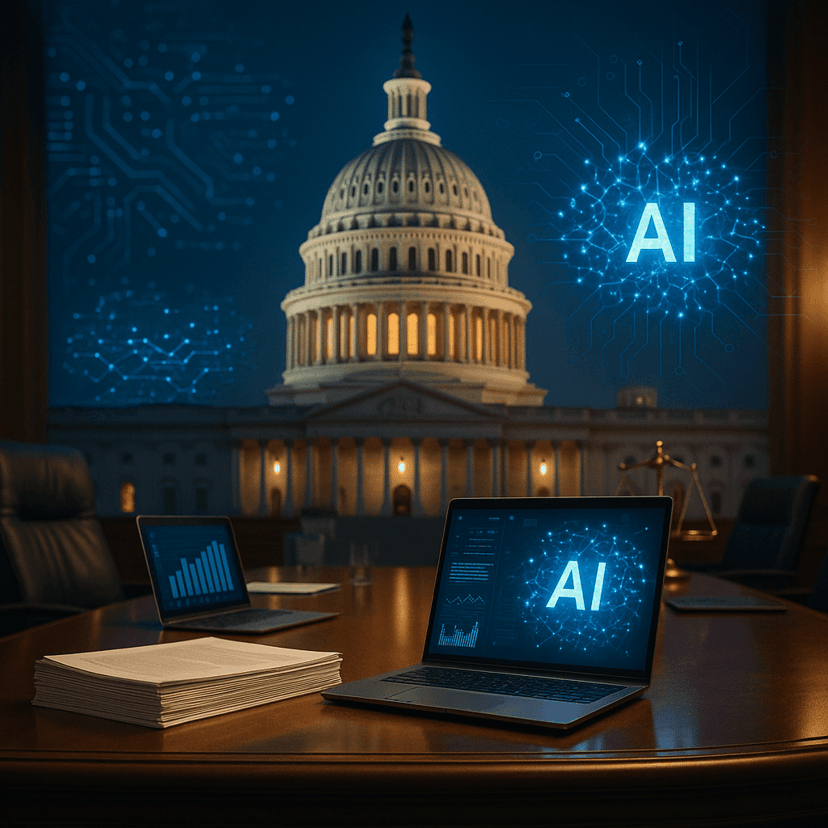
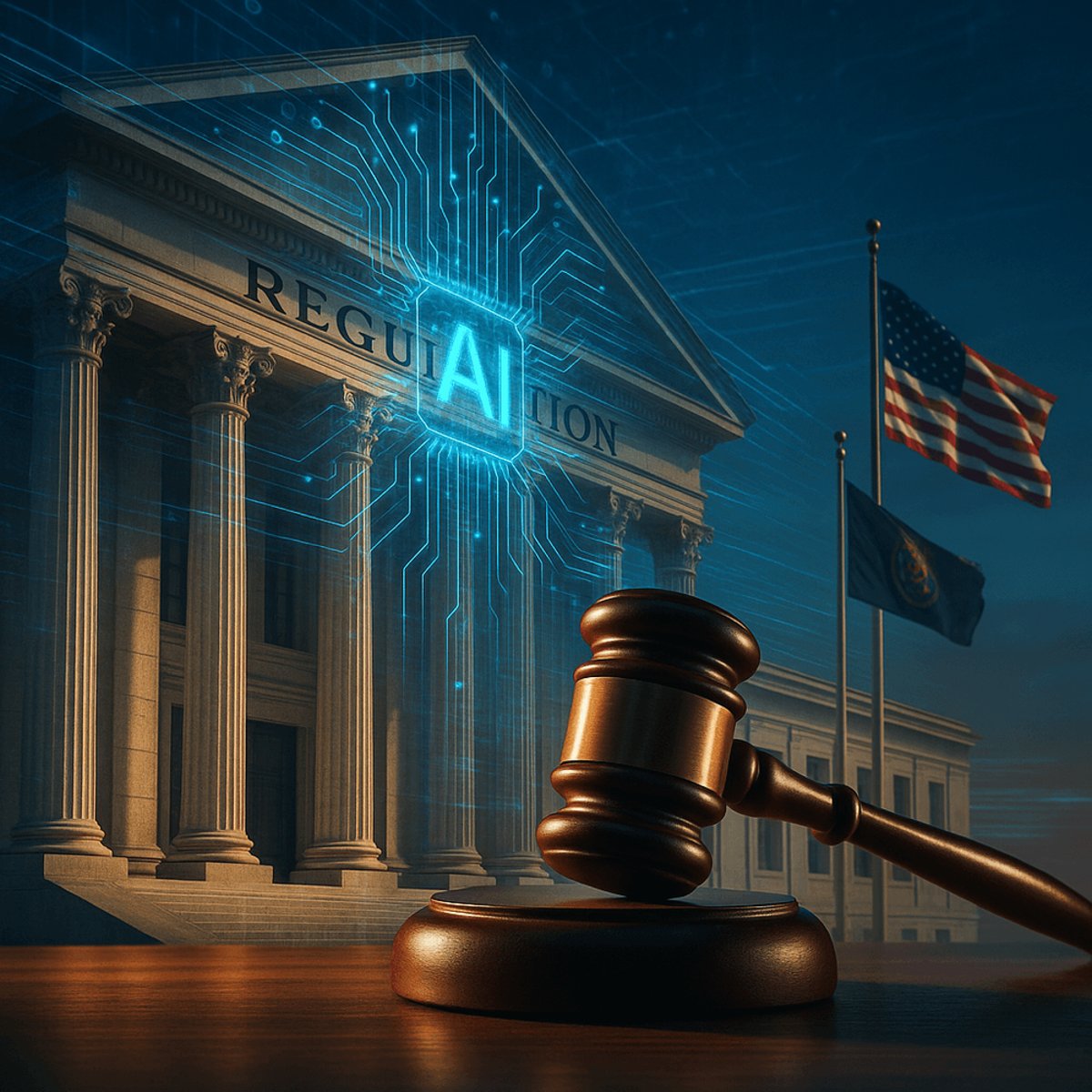
President Trump is preparing to weaponize federal courts against state AI regulation, with a draft executive order directing the Justice Department to sue states like California and Colorado over their AI safety laws. The unprecedented move could fundamentally reshape how America governs artificial intelligence by forcing a federal-only approach.

The Trump administration is about to drop a legal bombshell on state governments trying to regulate AI. A draft executive order obtained by WIRED reveals plans to create an "AI Litigation Task Force" within the Justice Department, specifically designed to sue states whose AI laws allegedly violate federal authority.

The order, titled "Eliminating State Law Obstruction of National AI Policy," could be signed as early as this week according to four sources familiar with the matter. It puts Attorney General Pam Bondi in charge of coordinating legal challenges against state regulations that "require AI models to alter their truthful outputs" or force developers to report information in ways that might violate the First Amendment.

California and Colorado find themselves directly in the crosshairs. Both states recently passed AI safety laws requiring transparency reports from developers about model training processes. The draft order specifically calls out these regulations as examples of the "patchwork" approach that Big Tech has been fighting.

That resistance isn't happening in a vacuum. Google, OpenAI, and Andreessen Horowitz have been pouring resources into lobbying efforts through groups like Chamber of Progress, arguing that state-by-state regulation hampers innovation. Their preferred alternative? A light-touch federal framework that would essentially preempt stricter state rules.

Advertisement

The financial stakes are massive. Trump's order instructs the Department of Commerce to craft guidelines that could strip states of access to the $42 billion Broadband Equity Access and Deployment Program if they maintain problematic AI regulations. "Both the law and the Constitution prevent the President from unilaterally attaching strings to federal funds, especially when the stakes are this high," warns Cody Venzke, senior policy counsel at the American Civil Liberties Union.

Silicon Valley's political machine is already in overdrive. A super PAC funded by Andreessen Horowitz, OpenAI cofounder Greg Brockman, and Palantir cofounder Joe Lonsdale recently launched a campaign against New York Assembly member Alex Bores, who authored a state AI safety bill. The message is clear: cross the tech industry on AI regulation at your political peril.

The legal strategy hinges on the Commerce Clause, which gives Congress authority over interstate commerce. Andreessen Horowitz's policy team published arguments in September claiming several state AI laws violate this constitutional provision. Now Trump appears ready to test that theory in federal court.

Trump telegraphed this move on Truth Social Tuesday, posting about AI "overregulation" and accusing states of embedding "DEI ideology into AI models, producing 'Woke AI.'" The draft order echoes this language, calling on the Federal Trade Commission to declare that states can't pass laws manipulating AI outputs.

The order reveals the administration's core philosophy: "American AI companies must be free to innovate without cumbersome regulation." It notes that state legislatures have introduced over 1,000 AI bills that "threaten to undermine that innovative culture" and promises "a minimally burdensome national standard - not 50 discordant State ones."

Advertisement

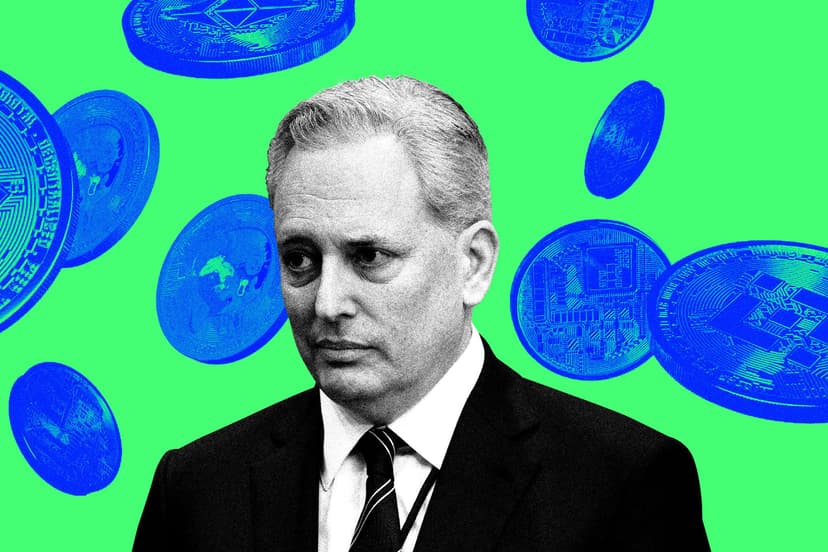
Special Advisor for AI and Crypto David Sacks will work with the litigation task force to identify which state laws violate federal authority. This coordination between White House tech advisors and Justice Department lawyers represents an unusually direct federal intervention in state policymaking.

The timing isn't coincidental. House Republicans have renewed efforts to pass a blanket moratorium on state AI regulation after an earlier version failed. Trump's executive order could achieve through litigation what Congress hasn't managed through legislation.

But constitutional law experts question whether the strategy will work. The administration will need to prove that state AI regulations actually burden interstate commerce or violate free speech protections - a complex legal test that varies by jurisdiction and specific regulatory language.

Trump's executive order represents the opening salvo in what's likely to become a prolonged constitutional battle over AI governance. While Big Tech celebrates the prospect of federal preemption, state attorneys general are already preparing counter-arguments about their authority to protect consumers and workers. The ultimate winner will determine whether America's AI future gets shaped by Silicon Valley's preferences or democratic processes in state capitals. Either way, the courts are about to become the primary battlefield for AI policy.
More Topics:
Commerce ClauseSilicon Valley lobbying

Advertisement

Advertisement

Trending Now

1

Nscale Eyes $3.5B Pre-IPO Round After Anthropic Deal

2

GoPro CEO Vows Cameras Stay Core After Starman Deal

3

Judge Splits Ruling in X vs. Twitter Rival Fight

4

Tim Cook Steps Down, Ternus Takes Apple's Helm

5

Google's Lyria 3.5 Brings AI Music to Gemini

People Also Ask

Trump's AI Litigation Task Force is a Justice Department unit created through executive order to sue states over AI regulations. Led by Attorney General Pam Bondi, it targets state laws that allegedly violate federal authority over interstate commerce and free speech protections.

California and Colorado are specifically targeted in Trump's draft executive order. Both states recently passed AI safety laws requiring transparency reports from developers about model training processes, which the administration claims violate federal commerce and free speech protections.

States could lose access to $42 billion in broadband funding through the Broadband Equity Access and Deployment Program if they maintain AI regulations deemed problematic by the Trump administration's new executive order.

Google, OpenAI, and Andreessen Horowitz have heavily lobbied against state AI regulations, preferring a light-touch federal framework that would preempt stricter state rules. They argue state-by-state regulation hampers innovation and creates compliance burdens.

The executive order relies on the Commerce Clause, which gives Congress authority over interstate commerce, and First Amendment free speech protections. It argues state AI laws violate federal authority by requiring companies to alter outputs or report information unconstitutionally.

According to four sources familiar with the matter, Trump's executive order titled 'Eliminating State Law Obstruction of National AI Policy' could be signed as early as this week, creating immediate legal challenges for state regulations.

More in AI Policy

India gives OpenAI, Google 30 days to respond to copyright royalty plan

India gives OpenAI, Google 30 days to respond to copyright royalty plan

House Democrats Launch AI Commission as Tech Lobbying Hits $100M

House Democrats Launch AI Commission as Tech Lobbying Hits $100M

Silicon Valley Rallies Behind Trump's AI Czar Despite Conflicts

Silicon Valley Rallies Behind Trump's AI Czar Despite Conflicts

Trump AI czar kills bailout talk after OpenAI CFO's awkward pitch

Trump AI czar kills bailout talk after OpenAI CFO's awkward pitch

OpenAI Debunks Viral ChatGPT Medical Advice Ban Claims

OpenAI Debunks Viral ChatGPT Medical Advice Ban Claims

OpenAI warns U.S. falling behind China in AI power race

OpenAI warns U.S. falling behind China in AI power race

More Articles

Cloudflare CEO Pushes UK to Break Up Google's AI Crawler Bundle

Cloudflare CEO Pushes UK to Break Up Google's AI Crawler Bundle

Oct 21

Anthropic CEO fires back at Trump AI czar's 'woke' accusations

Anthropic CEO fires back at Trump AI czar's 'woke' accusations

Oct 21

PayPal mafia feuds: Hoffman defends Anthropic against Sacks attack

PayPal mafia feuds: Hoffman defends Anthropic against Sacks attack

Oct 20

Altman Defends OpenAI Erotica Policy: 'Not Moral Police'

Altman Defends OpenAI Erotica Policy: 'Not Moral Police'

Oct 15

Spotify Launches AI Music Labels and Spam Filters in Policy Overhaul

Spotify Launches AI Music Labels and Spam Filters in Policy Overhaul

Sep 25

Google pushes USPTO on AI patent reforms as new director starts

Google pushes USPTO on AI patent reforms as new director starts

Sep 19