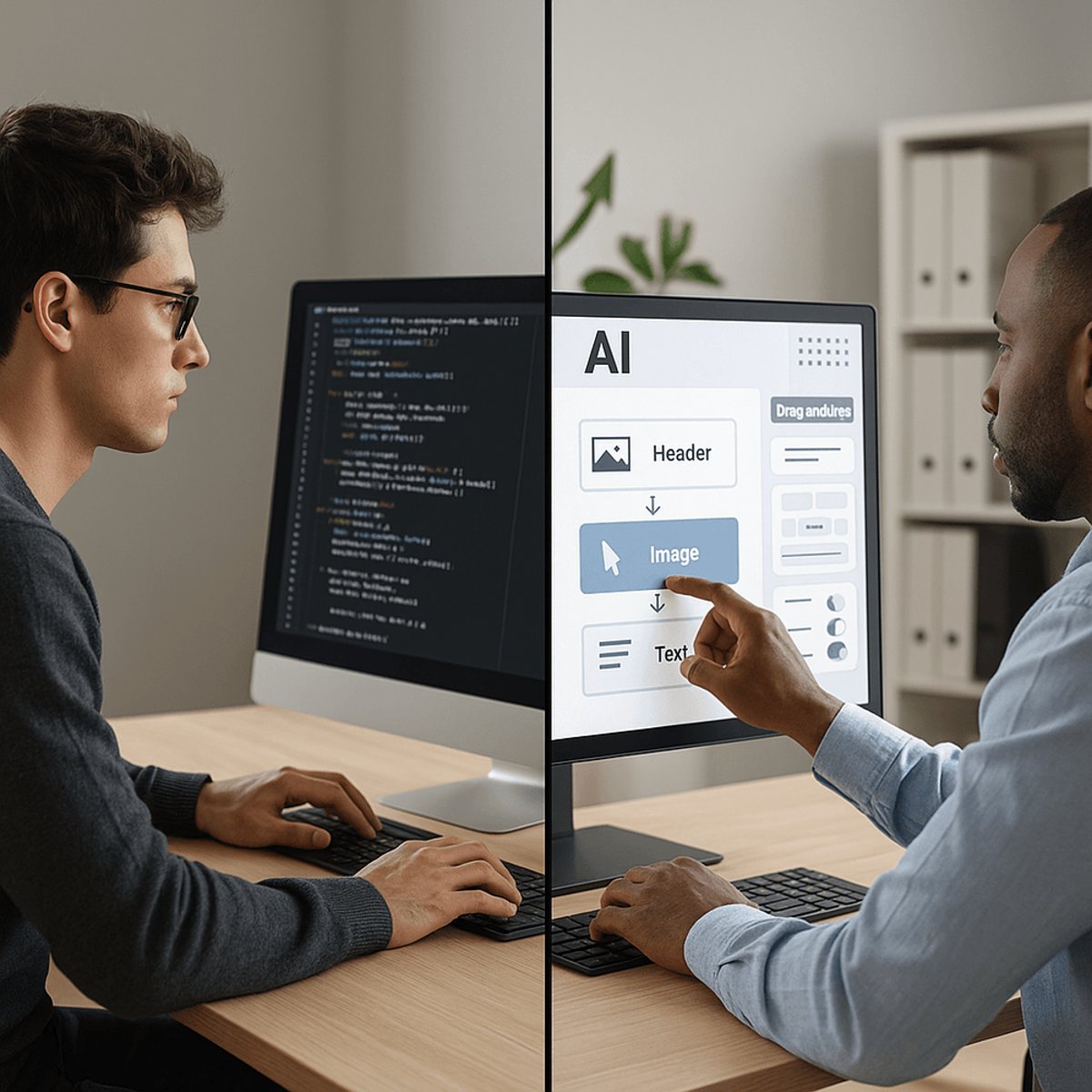
The startup world's obsession with landing a "10x engineer" as the first critical hire is getting a reality check. TechCrunch Disrupt 2025 is spotlighting how "vibe coding" and AI-assisted development environments are fundamentally changing who early-stage companies need to hire—and how they build products. The shift represents a seismic change in startup DNA that's reshaping the entire venture landscape.
Silicon Valley's most sacred hiring principle is under siege. The industry's decade-old wisdom of securing a "10x engineer" as your startup's first technical hire is facing its biggest challenge yet, and TechCrunch Disrupt 2025 is putting this transformation center stage.
Lauri Moore, partner at Bessemer Venture Partners, and David Cramer, co-founder and chief product officer at Sentry, are headlining what promises to be one of the conference's most critical discussions. Their October panel on the Builder Stage comes as "vibe coding"—a catch-all term for AI-assisted, no-code development approaches—is reshaping how startups build products and who they need to build them.
The timing couldn't be more crucial. Moore brings deep expertise in AI infrastructure and developer tooling from both investor and founder perspectives, while Cramer's journey from launching Sentry as an open source side project in 2012 to scaling it into a platform used by over 4 million developers offers real-world insights into how the right tools can accelerate product velocity without traditional engineering overhead.
"We'll dig into what today's founders actually need from their first engineering hires, what AI-enabled tooling can and can't replace, and how the entire GTM and product lifecycle is adapting to this new dev world," according to the session description. The conversation promises to tackle the "messy, tactical details of modern startup building."
This shift represents more than just a new set of development tools—it's a fundamental rethinking of startup DNA. For years, venture capitalists have emphasized the critical importance of securing elite engineering talent early, often at the expense of other roles. The emergence of sophisticated AI coding assistants, visual development platforms, and automated deployment tools is challenging whether that wisdom still holds.
Sentry's evolution offers a compelling case study. Cramer's experience scaling from a side project to serving millions of developers provides a unique perspective on how development practices have evolved and what that means for today's founders facing similar scaling challenges.
The broader implications extend beyond individual hiring decisions. If early-stage startups can achieve significant product development milestones with smaller, differently skilled teams, it could reshape how venture capital flows, how equity is distributed, and how quickly companies can reach market validation.
The session arrives as the developer tools market itself is experiencing unprecedented growth and transformation. From GitHub Copilot to comprehensive no-code platforms, the tools available to non-technical founders have never been more powerful. Yet questions remain about sustainability, scalability, and when traditional engineering expertise becomes non-negotiable.
TechCrunch Disrupt 2025 expects over 10,000 startup founders, VC leaders, and tech innovators to attend, making this conversation particularly influential. The conference runs October 27-29 at San Francisco's Moscone West, with early-bird pricing offering up to $668 in savings.
For founders wrestling with their first technical hires, VCs evaluating early-stage teams, and technical leaders adapting to AI-augmented development workflows, this panel promises to deliver actionable insights on navigating the new reality of startup building. The question isn't whether development practices are changing—it's how quickly the startup ecosystem will adapt to the new paradigm.
The conversation around "vibe coding" and AI-assisted development represents a pivotal moment for the startup ecosystem. As traditional engineering hiring models face disruption, the insights from Moore and Cramer could influence how thousands of founders approach their next critical hire. Whether this marks the end of the 10x engineer era or simply its evolution, the implications will ripple through Silicon Valley's most fundamental assumptions about building successful startups.