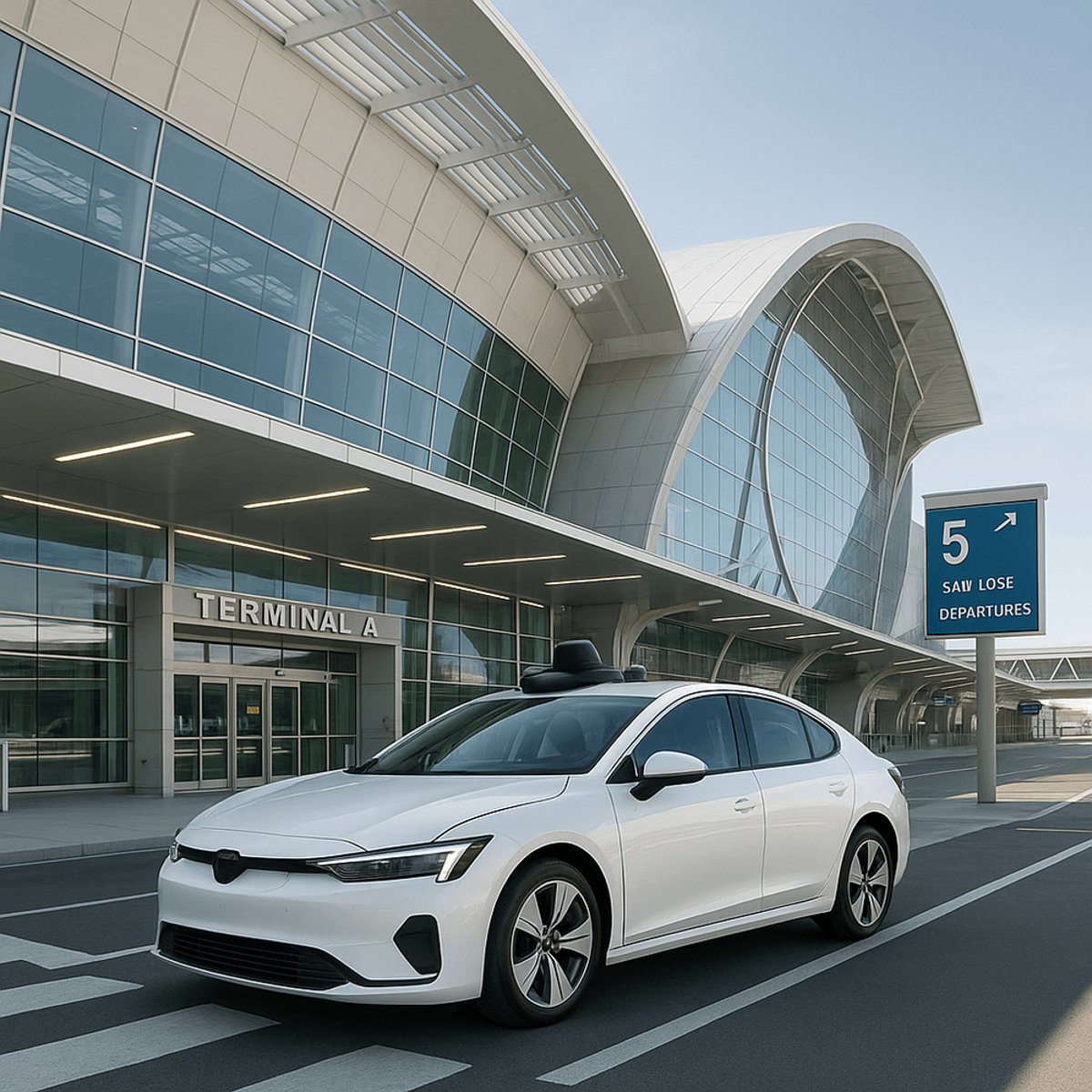
Waymo just broke through a major regulatory barrier in California's autonomous vehicle market. The Alphabet subsidiary received clearance to launch robotaxi service at San Jose Mineta International Airport—its first airport destination in the Golden State after years of regulatory pushback. Commercial rides begin by year-end, marking a pivotal expansion in the company's nationwide airport strategy.
Waymo just scored a regulatory victory that's been years in the making. The Alphabet-owned autonomous vehicle company announced Thursday it received approval to launch robotaxi service at San Jose Mineta International Airport, breaking through California's historically cautious approach to airport-based autonomous operations.
The development represents a significant milestone for the company's California expansion strategy. Testing will begin in the coming months, with commercial passenger service launching by the end of 2025. This marks Waymo's first airport destination in its home state after facing regulatory headwinds at other major California hubs.
The approval comes after a lengthy regulatory dance with California aviation authorities. Waymo was rebuffed by San Francisco International Airport officials back in 2023, highlighting the complex regulatory landscape facing autonomous vehicle operators at major transportation hubs. However, the company did secure a mapping permit for SFO earlier this year, suggesting momentum toward eventual service there.
The San Jose clearance builds on Waymo's proven airport track record in Arizona. The company has been operating curbside robotaxi service at Phoenix Sky Harbor International Airport since late 2023, expanding to 24/7 operations by August 2024. According to company data, Phoenix airport has become the most popular destination in Waymo's Arizona network, generating "hundreds of thousands" of trips.
The timing aligns with Waymo's aggressive nationwide expansion push. The company now operates more than 2,000 robotaxis across its fleet, with approximately 800 vehicles serving the Bay Area, 500 in Los Angeles, 400 in Phoenix, 100 in Austin, and dozens in Atlanta. Earlier this week, Waymo announced plans to expand into Denver and Seattle, while also preparing launches in Dallas, Miami, and Washington, D.C.
The airport sector represents a particularly lucrative opportunity for autonomous vehicle operators. Airport routes typically involve predictable traffic patterns, dedicated pickup zones, and passengers willing to pay premium rates for reliable transportation. These factors make airports ideal proving grounds for commercial robotaxi operations while generating significant revenue per trip.
For California regulators, the San Jose approval signals growing confidence in Waymo's safety record and operational capabilities. The company has logged millions of autonomous miles across California's complex urban environments, from San Francisco's steep hills to Los Angeles' sprawling freeway system. This operational data likely influenced regulators' decision to greenlight airport operations.
The development also intensifies competition in the autonomous vehicle space. While Tesla continues developing its Full Self-Driving capabilities and Cruise rebuilds following its operational suspension, Waymo's airport expansion demonstrates the commercial viability of current autonomous technology in controlled environments.
Looking ahead, San Jose's success could unlock similar approvals at other California airports. The company's mapping work at San Francisco International suggests that hub remains a priority target, potentially serving as a gateway to Silicon Valley's tech workforce. Los Angeles International Airport, with its massive passenger volume, represents another significant opportunity.
The announcement comes as Waymo recently gained approval to begin testing in New York City, marking another regulatory milestone in a challenging urban environment. These approvals suggest growing regulatory acceptance of autonomous vehicle technology in high-stakes transportation scenarios.
Waymo's San Jose airport approval represents more than just another expansion milestone—it signals California's growing acceptance of commercial autonomous vehicle operations in critical transportation infrastructure. With proven success in Phoenix and a pipeline of new city launches, the company is positioning itself as the definitive leader in commercial robotaxi services. As testing begins in the coming months, all eyes will be on whether Waymo can replicate its Arizona airport success in the more complex California regulatory and operational environment.