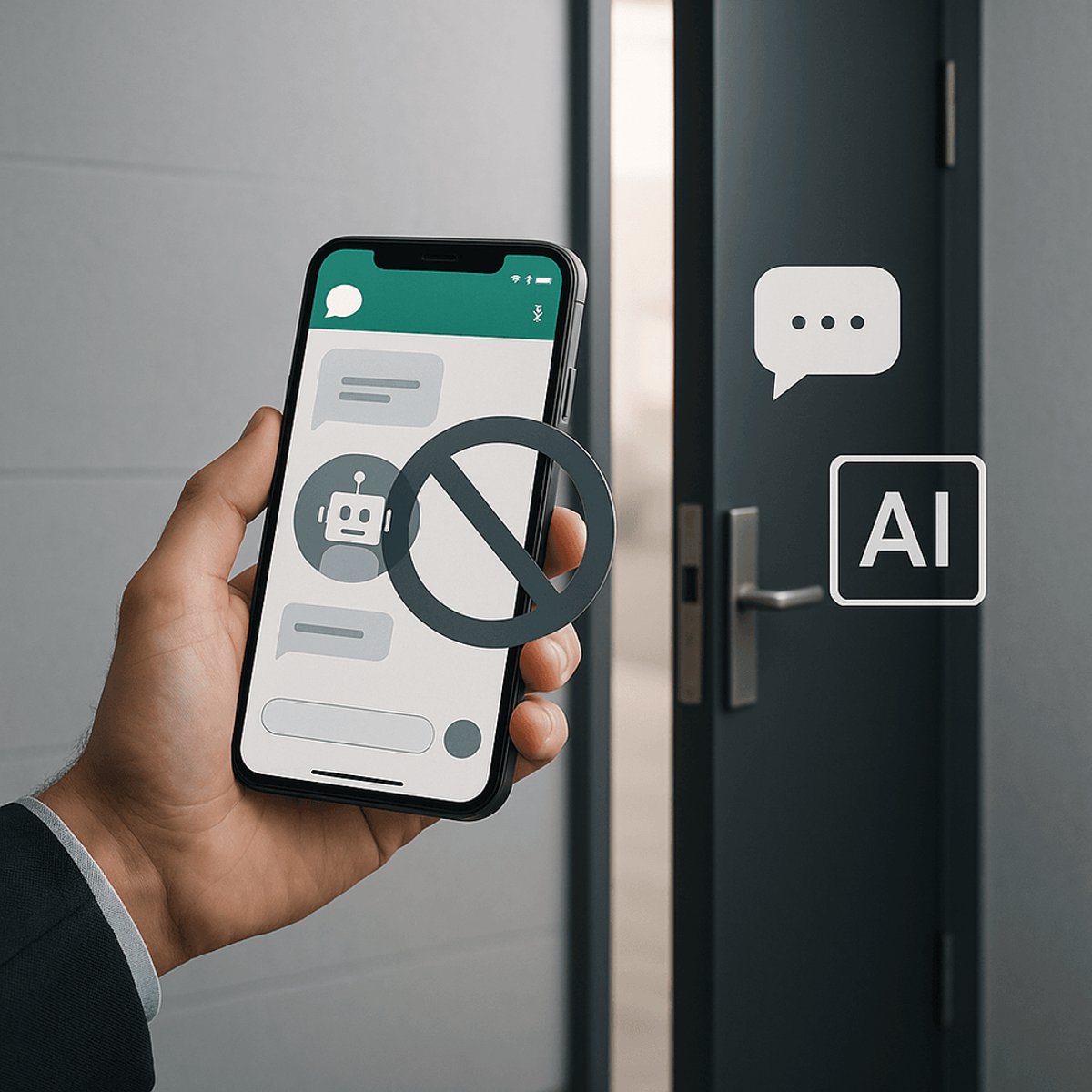
Microsoft's Copilot chatbot is getting the boot from WhatsApp come January 15, marking a major shift in how AI assistants reach users. Meta's messaging platform just drew a hard line against general-purpose AI chatbots, forcing millions of users to find new ways to access their favorite AI tools and reshaping the competitive landscape for AI distribution.
Microsoft just lost one of its biggest AI distribution channels. The company confirmed that Copilot will disappear from WhatsApp after January 15, 2025, as Meta cracks down on general-purpose AI chatbots using its messaging platform. The news represents a seismic shift in how AI companies reach users, cutting off a direct line to WhatsApp's 2 billion monthly active users.
The exodus stems from WhatsApp's revised platform policies announced in October, which specifically target AI assistants like Copilot that serve broad, general-purpose functions. According to Microsoft's official statement, the company is "removing Copilot from the popular messaging app to comply with WhatsApp's revised platform policies."
But Microsoft isn't alone in this forced retreat. OpenAI already announced its own WhatsApp wind-down for January, while Perplexity faces the same restrictions. The collective impact signals Meta's intention to fundamentally reshape AI access on its platform, prioritizing business-specific AI tools over consumer-facing chatbots.
The timing couldn't be worse for AI companies that've invested heavily in WhatsApp integration. Microsoft's Copilot had built a significant user base on the platform, offering everything from coding assistance to creative writing through simple WhatsApp messages. Now those users face a jarring transition - they'll need to download Microsoft's dedicated Copilot app or access the service through copilot.microsoft.com.
Making matters worse, users can't bring their conversation history along for the ride. Because WhatsApp access was unauthenticated, Microsoft can't preserve chat logs when users migrate to its official platforms. The company recommends exporting conversations through WhatsApp's built-in tools before the January 15 deadline - a manual process that many users will likely skip.
Meta's strategic calculation appears clear: WhatsApp's Business API resources are better spent on companies using AI to serve their own customers rather than tech giants distributing general-purpose AI assistants. The messaging giant wants businesses to build AI-powered customer service bots, not provide a distribution channel for Microsoft, OpenAI, and competitors.
This crackdown reflects broader tensions in Big Tech as companies fight for AI dominance. Meta has its own AI assistant integrated across Facebook, Instagram, and WhatsApp, making third-party AI distribution less appealing. By forcing competitors off its platform, Meta can better control the AI experience for its billions of users while potentially driving them toward its own AI offerings.
For users, the change means more friction in accessing AI tools. Instead of seamlessly chatting with Copilot through WhatsApp - an app they already use daily - they'll need separate apps or browser tabs. This added complexity could reduce AI adoption rates and force users to choose between different AI ecosystems more deliberately.
The ripple effects extend beyond individual users to businesses that relied on WhatsApp for AI-powered customer interactions. Companies using third-party AI tools through WhatsApp will need to rebuild those integrations using Meta-approved business solutions or find alternative messaging channels entirely.
Industry analysts are watching closely to see if other messaging platforms follow Meta's lead. If WhatsApp's restrictions prove successful at driving users toward Meta's own AI tools, competitors might implement similar policies to protect their platforms from external AI distribution.
Meta's decision to boot general-purpose AI chatbots from WhatsApp marks a turning point in AI distribution strategies. While the move gives Meta more control over its platform and potentially drives users toward its own AI tools, it forces millions of Copilot users to adapt to new workflows and apps. The broader message is clear: as AI becomes central to digital experiences, platform owners are increasingly protective of their distribution channels. For AI companies, the era of easy access through third-party platforms is ending, pushing them to build direct relationships with users through their own apps and services.