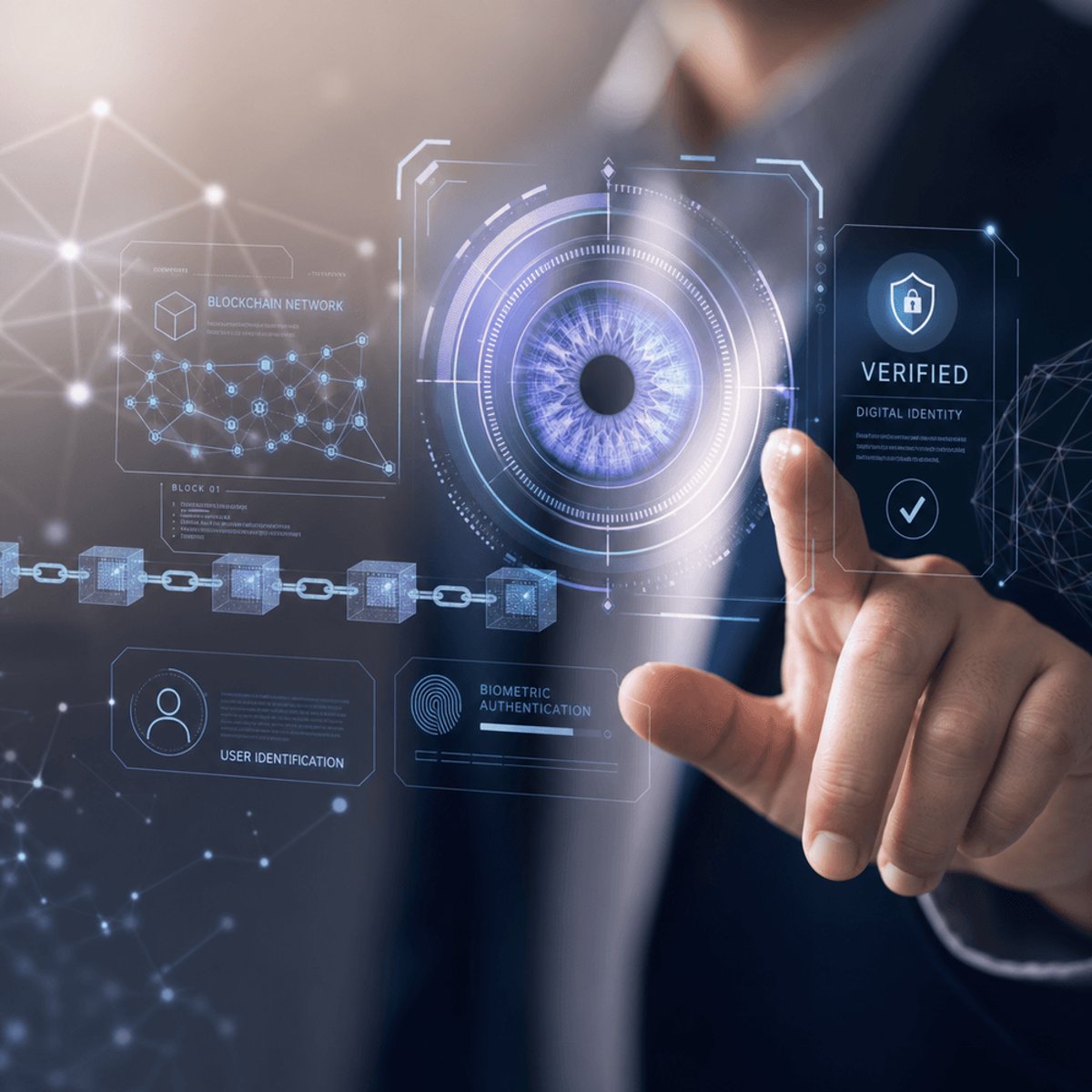
Sam Altman's biometric identity project World just pulled in $52.5 million through a crypto token sale, doubling down on its controversial mission to scan eyeballs and turn them into digital IDs. The OpenAI CEO's side venture is betting big that people will trade iris scans for cryptocurrency, even as regulators worldwide scrutinize the privacy implications. The fresh capital signals that despite mounting criticism, Altman's vision of a blockchain-verified human identity network is attracting serious investor interest.
World, the ambitious biometric identity project backed by OpenAI CEO Sam Altman, just secured $52.5 million through a token sale, fueling its controversial expansion into eyeball-based digital identity. The company, previously known as Worldcoin before rebranding, is building a global network where people scan their irises in exchange for cryptocurrency tokens and a verified digital ID.
The token sale marks a significant cash injection for a project that's faced intense scrutiny from privacy advocates and regulators across multiple continents. World's approach involves deploying shiny, orb-shaped devices to scanning locations worldwide, where users stare into the device to have their iris patterns captured and converted into a unique cryptographic hash. In return, they receive WLD tokens and a World ID that supposedly proves they're human, not a bot.
According to TechCrunch, the funding demonstrates continued investor confidence in crypto-native identity verification despite growing regulatory pressure. The timing is particularly notable as governments from Spain to Kenya have launched investigations into World's data collection practices, questioning whether users truly understand what they're signing up for when they scan their eyeballs for tokens.
Altman's dual role leading both OpenAI and World has raised eyebrows in tech circles. While OpenAI races to build artificial intelligence that could eventually mimic human behavior online, World aims to verify which digital entities are actually human. The irony hasn't been lost on critics who see the two ventures as creating both the problem and a questionable solution.
The company argues its technology addresses a genuine need as AI-generated content floods the internet. World ID could theoretically help platforms distinguish real users from bots and AI agents without requiring traditional identification documents. But that vision requires convincing millions to hand over their biometric data to a crypto startup, something privacy experts say sets a dangerous precedent.
World's expansion has been particularly aggressive in developing markets, where the lure of free cryptocurrency tokens has drawn long lines of people willing to scan their irises. The company has deployed its orb devices to cities across Latin America, Africa, and Asia, often setting up in shopping centers and public spaces. Critics argue this targets vulnerable populations who may not fully grasp the long-term implications of surrendering their biometric data.
The fresh capital will likely fund continued hardware deployment and software development. World has been iterating on its orb technology, working to make scans faster and more secure while expanding the utility of World ID across various platforms. The company envisions a future where proving you're human becomes necessary for accessing services, voting online, or claiming universal basic income distributions.
But regulatory roadblocks keep mounting. European data protection authorities have questioned whether World's consent mechanisms meet GDPR standards. Some jurisdictions have temporarily banned the orb deployments pending investigation. The company maintains it's operating legally and has implemented measures to delete biometric data after creating the cryptographic identity hash.
The crypto angle adds another layer of complexity. WLD token prices have been volatile, and the SEC hasn't clarified whether such tokens constitute securities requiring registration. World operates in a regulatory gray zone where cryptocurrency, biometric data, and identity verification intersect, a space that's largely uncharted territory for lawmakers.
Investor enthusiasm suggests the market sees potential despite these hurdles. The token sale attracted participants betting that biometric verification will become essential infrastructure as AI capabilities advance. Whether that gamble pays off depends on World convincing both regulators and the public that scanning eyeballs for crypto represents progress, not dystopia.
The $52.5 million infusion gives World runway to prove its model can scale beyond early adopters and token seekers. Altman's track record with OpenAI lends credibility, but biometric identity verification faces fundamentally different challenges than building AI models. Trust, privacy, and regulatory compliance matter more than raw technological capability when you're asking people to literally hand over their eyeballs.
World's $52.5 million token sale shows that even amid privacy concerns and regulatory uncertainty, investors remain bullish on crypto-based identity solutions. Altman's bet is that verifying human identity becomes more valuable as AI blurs the line between real and synthetic online activity. But the company faces a narrow path forward: it needs to scale fast enough to establish network effects before regulators potentially shut down biometric data collection or classify WLD tokens as securities. For now, the fresh funding buys time to prove that people will actually trust a crypto startup with their eyeballs. The next 12 months will reveal whether World's vision represents the future of digital identity or just an ambitious experiment that regulators won't allow to scale.